互联网金融企业的资产证券化研究
2020-11-02荆玉
荆玉
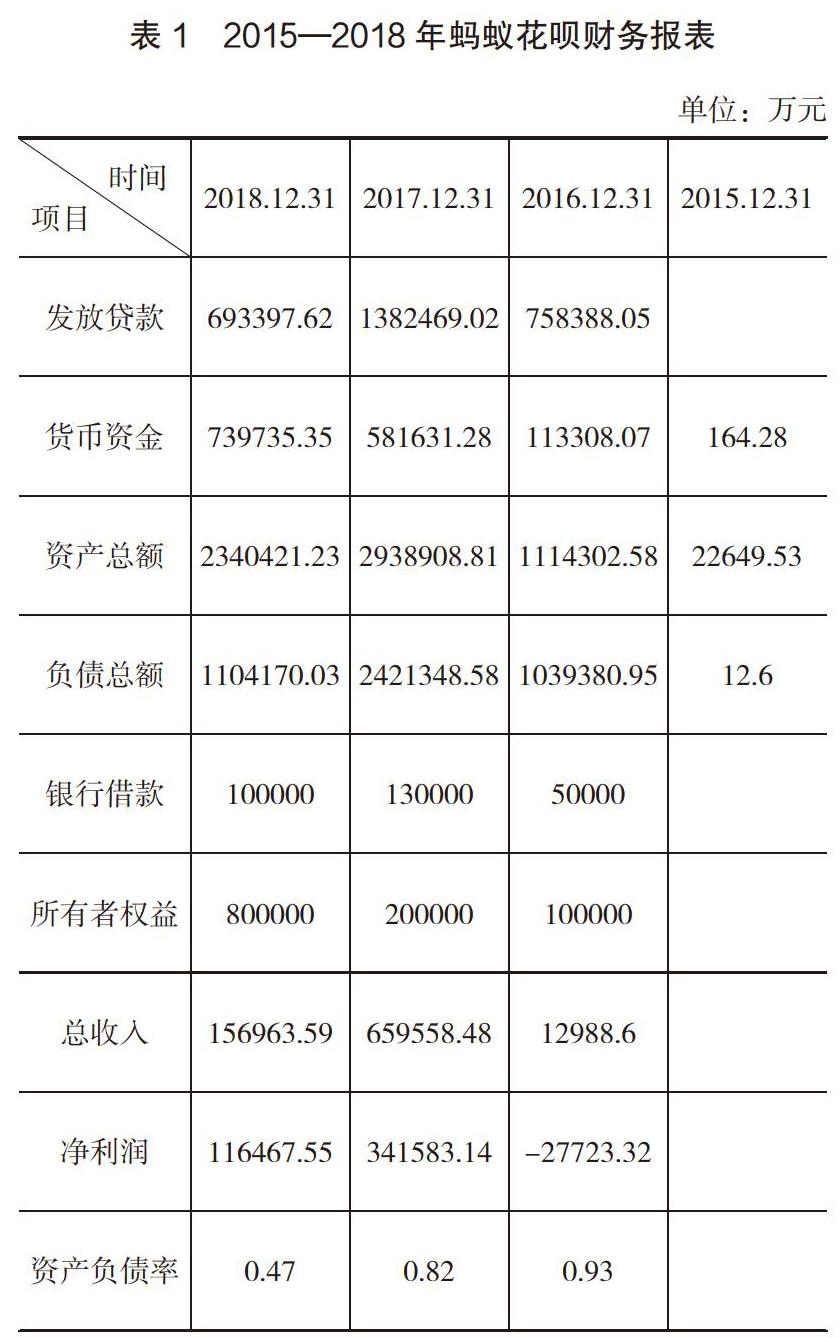
[摘 要]我国资产证券化进程紧跟市场方向,基础资产的选择越来越广泛,业务不断变革创新。以蚂蚁花呗为实例,分析其资产证券化动因包括互联网金融自身的迅速发展、企业规模扩张需求、债务融资负担过重。建立模型计算发行成本等方法分析实施效果,发现存在项目信用体系不完善、可持续性不稳定等风险。提出不断完善证券化产品信息披露机制和市场监督机制,建立全方位的社会信用体系,加快制定专门的资产证券化法律法规及相关的市场和交易规则。
[关键词]蚂蚁花呗;资产证券化;互联网金融;融资成本
[中图分类号] F832.5 [文献标识码] A [文章编号] 2095-3283(2020)09-100-03
Abstract: China's Securitization process follows the market direction, the choice of basic assets has become more and more extensive, business innovation.This paper explores the asset support program for Internet financial enterprises, taking the asset-backed securities of Huabei as an example,establish a model to calculate the cost of issuance and other methods to analyze the implementation of the results, so as to sum up the experience of the follow-up implementation of Internet finance and better faster development proposals.
Key Words: Ant Flowers; Securitization; Internet Finance; Financing Costs
当前我国“互联网+”金融格局由传统金融机构和非金融机构组成,主要领域包括第三方支付、互联网理财、P2P、互联网消费金融、互联网保险等。随着利率市场化改革的稳步推进,我国的资产证券化逐步进入常态化发展,互联网金融企业资产证券化处于不断探索发展阶段。
一、蚂蚁金服资产证券化动因分析
(一)互联网金融自身的迅速发展
受益于消费升级、惠普金融政策推动及互联网技术的发展,我国互联网消费金融发展迅速,交易规模不断扩张,增速仍然处于高位,互联网消费金融的渗透率快速走高。未来随着鼓励合规经营平台发展的监管环境日渐成熟,用户分层形成差异化竞争及线上风控技术的日益完善,预计我国互联网消费金融平台将迎来较大发展。
(二)蚂蚁金服的规模扩张需求