以《蜜蜂》为例,浅谈单元要素的落实
2021-08-09陶新云
陶新云

【摘 要】单元内的不同课文对同一单元语文要素的落实要求也是不一样的,其中的排列先后顺序不同,采用的阅读方法也不同。教师需要根据课文所包含的单元要素的不同任务来展开教学,巧妙落实语文要素。本文以语文三年级下册课文《蜜蜂》为例,谈谈此单元的语文要素在本课中的落实。
【关键词】语文要素;同一单元;落实
中图分类号:G623 文献标识码:A 文章编号:0493-2099(2021)20-0097-02
Take "Bee" as an Example to Talk about the Implementation of Unit Elements
(The Second Primary School of Experimental School of Xishan Senior Middle School, Jiangsu Province, China)TAO Xinyun
【Abstract】Different texts in a unit have different requirements for the implementation of the language elements of the same unit. The order of arrangement is different, and the reading methods used are also different. Teachers need to carry out teaching according to the different tasks of the unit elements contained in the text, and cleverly implement the language elements. This article takes the second-volume text "Bee" in the third grade of Chinese as an example to talk about the implementation of the Chinese elements of this unit in this lesson.
【Keywords】Language elements; Same unit; Implementation
《蜜蜂》这篇课文来自统编教材三年级下册第四单元。这一单元的人文主题是“奇妙的大自然”。语文要素是“借助关键语句概括一段话的大意”和“观察事物的变化,把实验过程写清楚”。一个指向阅读,一个指向习作。
一、对比勾连,解读语文要素
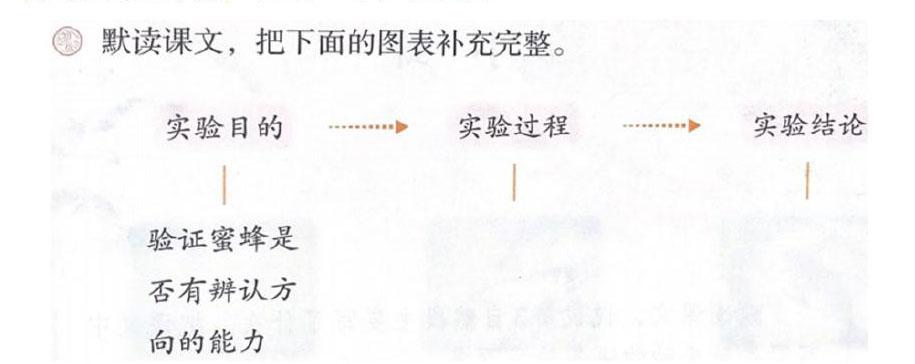
第一个语文要素“借助关键语句概括一段话的大意”,旨在引导学生立足一段话的学习,准确判断一段话中的关键语句,并掌握概括的方法,提高学生提取关键信息的能力。三年级上册第六单元中出现过一个很相似的语文要素:借助关键语句理解一段话的意思(见表1)。三年级上册的“关键语句”其实是文中明显能找到的一句话,也就是我们所说的“中心句”。找到中心句,就能理解这一段话的意思。对比两条要素,途径是一样的——借助关键语句,能力是递进的——理解和概括,内容从“意思”变为“大概的意思”,实质上对学生的学习要求提高了。第二个语文要素“观察事物的变化,把实验过程写清楚”是一个指向习作的要素。课文就是以第一人称写了法布尔为验证“蜜蜂具有辨认方向的能力”这一结论而做的一项实验,包括实验目的、实验过程和实验结论,非常完整。……
