一种基于改进Unet的虾苗密度估计方法
2021-04-05王琪孟娟
王琪 孟娟
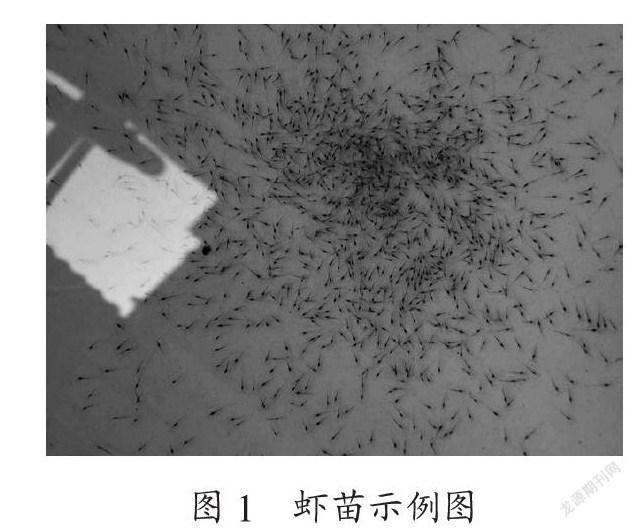

摘 要:智慧海洋是智慧农业的基础性工程。文章针对传统方法无法解决高密度粘连情况下虾苗计数精度较差的问题,提出了一种基于改进Unet的虾苗密度估计算法。鉴于现有虾苗数据集不足,收集并标记了一个针对虾苗计数的数据集(Dlou_Shrimp)。在该数据集上对所提出的算法进行了测试,实验结果表明该算法可以解决虾苗计数中的遮挡与粘连问题,可为其他领域的密度估计提供全新的思路。
关键词:虾苗计数;密度估计;神经网络;深度学习
中图分类号:TP273+.4 文献标识码:A 文章编号:2096-4706(2021)17-0012-06
Abstract: Smart ocean is the basic project of smart agriculture. Aiming at the problem that the traditional methods can not solve the poor counting accuracy of shrimp seedlings in the case of high-density adhesion, an shrimp seedling density estimation algorithm based on improved Unet is proposed in this paper. In view of the shortage of existing shrimp seedling data sets, a data set for shrimp seedling counting (Dlou_ Shrimp) is collected and marked. The proposed algorithm is tested on the data set, the experimental results show that the algorithm can solve the problems of occlusion and adhesion in shrimp seedling counting, and can provide a new idea for density estimation in other fields.
Keywords: shrimp seedling count; density estimation; neural network; deep learning
0 引 言
21世紀以来,我国迈入高速发展阶段,其中电子商务、物流运输模式等的迅猛发展,使得海产品的销售渠道增多,销售份额也随之大幅度提升。随着市场对鱼类、贝类、虾类等海产品的需求日益上升,中国拥有的自然海域中海产品的产出速度已不能满足国内虾苗的购买需求,且过度捕捞会引起海产类渔业物种的灭绝。根据《2020年中国渔业统计年鉴》[1],2019年全国水产养殖总量为5 079.07万吨,同比增长1.76%。虾类作为海产品的主要分类之一,其养殖方法十分重要。精准高效的养殖方法有助于产出更多更好的虾产品。准确地估计养殖水域内的虾苗数量对虾苗养殖、虾苗交易以及虾苗行为分析都有着十分重要的现实意义。
就虾产品的养殖流程而言,最为关键的一步是虾苗的筛选与计数。传统虾苗筛选与计数采用的是直接观测的方法,即依赖专家肉眼观察虾苗。传统的筛选与计数方式简单,但是采用这种方式所需的时间成本和人力成本较大且准确度不高。……