医联体模式在提高基层儿科诊疗服务技能中的作用
2016-07-22李欣杜兆辉方伟敏
李欣+杜兆辉+方伟敏
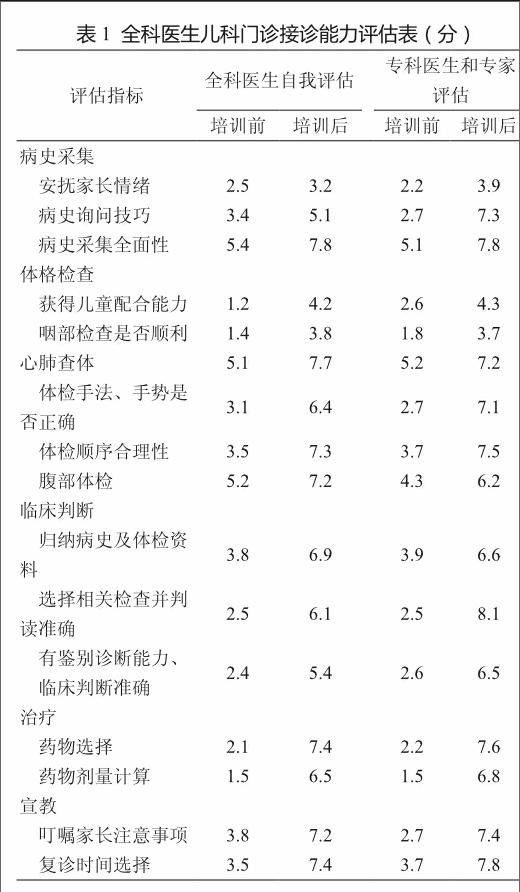
摘 要 目的:介绍潍坊社区卫生服务中心通过医联体平台进行中心全科医生儿科带教工作的情况。方法:从2013年起,中心聘请医联体内综合医院专家资源和中心内高年资儿科医生作为师资,对住院医师规范化培训后的11名全科医生开展儿科技能再培训。全科医生每周2个工作日进入儿科门诊工作,采用“1+1”模式即儿科医生与全科医生结对坐诊,时间为3个月。经过中心儿科门诊培训后,跟随专家在中心开展每周半天的儿科门诊教学,时间为3个月。培训期满,学员和带教专科医生分别进行全科医生门诊能力评估。结果:全科医生进入儿科门诊工作后,儿童诊治数量从每月30人次上升到近200人次。全科医生自评和专科医生评估的接诊技能都有了不同程度提升。结论:在医联体模式下开展全科医生专科培训是一种值得推广和借鉴的模式。
关键词 区域医疗联合体 全科医生 儿科诊疗技能
中图分类号:R719.8 文献标志码:A 文章编号:1006-1533(2016)12-0019-03
The role of improving pediatric diagnosis and treatment skills for general practitioners in the center under the mode of medical consortium
LI Xin1, DU Zhaohui1, FANG Weimin2(1. Weifang Community Health Service Center of Pudong New District, Shanghai 200122, China; 2. Peoples Hospital of Pudong New
District, Shanghai 201299, China)
ABSTRACT Objective: To introduce the teaching work for improving pediatric diagnosis and treatment skills for general practitioners through the medical consortium platform in Weifang Community Health Service Center. Methods: Since 2013, experts from the general hospitals in medical consortium and senior pediatrician in the center have been invited as the teachers to retrain 11 general practitioners after standardized training for resident doctors for improving their pediatric technical skills. The general practitioners entered the outpatient department of pediatrics to work for 2 working days a week, and the “1+1” mode used was that a pediatrician and general practitioner worked in pair for 3 months. After training in the Outpatient Department of Pediatrics of the Center, they followed the experts to carry out the pediatrics teaching in the outpatient department for a half day for 3 months. GP clinic ability of the trainees and the teaching specialists were assessed when the training expired. Results: After the general practitioners entered the outpatient department of pediatrics to work, the number of diagnosis and treatment of children rose from 30 to nearly 200 visits every month. The diagnosis and treatment skills of GP self-assessment and specialist assessment had different degrees of promotion. Conclusion: Development of professional training for general practitioners under the medical consortium mode is worthy of being popularized and used for reference.
KEY WORDS regional medical consortium; general practitioner; pediatric diagnosis and treatment skill
区域医疗联合体也称作医疗联合体(简称“医联体”),即以高等级医疗机构为主体,联合区域内若干医院或社区卫生服务机构,整合医疗资源,充分发挥三级医院的综合实力来带动基层医疗机构的发展与完善,其宗旨和发展目标在于打造“基层首诊、分级诊疗、双向转诊”的就医模式[1],在医联体中由社区卫生服务中心提供包括医疗和社会关怀在内的日常初级卫生保健[2]。2012年,潍坊社区卫生服务中心与浦东二、三级综合医院建立了医联体模式,开展医疗合作,患者通过医务科等职能部门建立的绿色通道网络逐步向上级医疗机构转诊[3]。……