哈密大像窟遗迹新探
2023-07-13罗尔瓅魏文斌
罗尔瓅 魏文斌

内容摘要:开凿大像窟是哈密地区佛教建筑、造像艺术的突出特征。哈密现存大像窟遗迹主要集中在今哈密东部、天山南麓的庙尔沟佛寺遗址,本文对其形制、造像题材、窟内装饰、营建背景等分析后认为,庙尔沟大像窟始建于唐安史之乱之前,与唐代大规模经营西域战略有紧密的关联。唐代中原地区的弥勒信仰经河西走廊向西域传播在哈密留下痕迹,遂使哈密大像窟既融合了龟兹大像窟的形制特点,又与中原佛教信仰、塑造弥勒大像以及河西弥勒造像风格一脉相连。
关键词:伊州;庙尔沟佛寺;大像窟;弥勒
中图分类号:K879.29 文献标识码:A 文章编号:1000-4106(2023)03-0098-12
A New Exploration of the Remains of the
Large Buddha Caves in Hami
LUO Erli WEI Wenbin
(School of History and Culture, Lanzhou University, Lanzhou 730000, Gansu)
Abstract:The construction of large Buddha caves together with statues of a sitting Maitreya Buddha was a prominent feature of the Buddhist architecture of the Hami region. The extant remains of the large Buddha caves of Hami are mainly concentrated in the Miaoergou Cave Temple site located in the east of Hami, and at the southern foot of Tianshan Mountain. By analyzing and studying the form, themes, decoration and construction history of the caves, this paper concludes that the large Buddha caves at the Miaoergou site were built prior to the An-Shi Rebellion in the Tang dynasty, and were closely related to the Tang dynasty's strategy of managing the Western Regions on a large scale. The Tang dynasty belief in Maitreya from the Central Plains spread westwards along the Hexi Corridor and left its traces in Hami, which led to both an integration of the form and structural characteristics of the large Buddha caves from Qiuci (Kucha), and an inheritance of the style of Maitreya statuary from the Hexi and Central Plains regions.
Keywords:Yizhou; Miaoergou Cave Temple; large Buddha cave; Maitreya
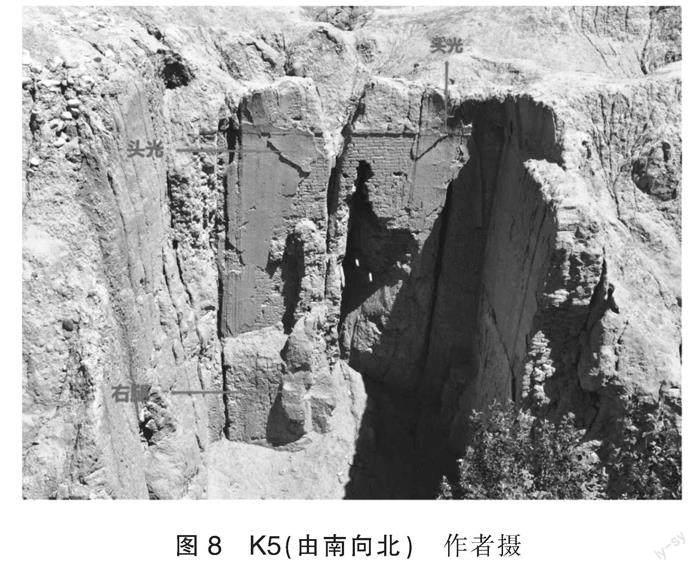
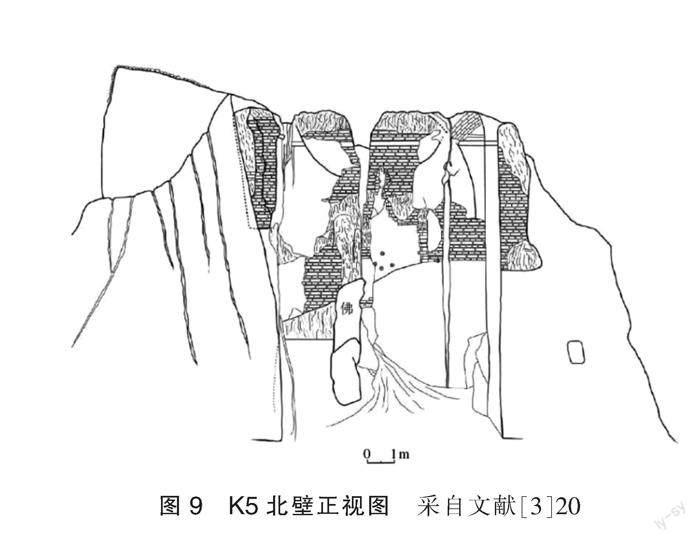
佛教洞窟形制中,大像窟是規模宏伟、体例最大的一类。窟内一般于主室正壁造一尊或站立或倚坐或结跏趺坐的大佛,空间整体庄严伟岸,我国新疆、甘肃、山西、陕西、河南等地都存有不同时期开凿的大像窟。新疆的大像窟主要集中在古代龟兹地区,学界已多有研究,现存于哈密的大像窟遗迹则关注不多。哈密的大像窟主要发现于庙尔沟佛寺遗址,虽其洞窟及窟内造像损毁严重,但从遗址规模和残留的造像痕迹仍可看出这些洞窟内原塑有十余米高的佛像,其形制应属大像窟。本文旨在从庙尔沟大像窟的形制、造像题材、营建特点等方面着手,对其开凿背景、宗教信仰、始建年代等问题进行较为深入的探讨。
一 哈密庙尔沟大像窟现存遗址考察刍议
哈密在历史上先后称为伊吾卢、伊吾、伊州。……