长安传统与泗州样式:唐宋僧伽造像的两个序列
2023-07-13张亮杨潇
张亮 杨潇
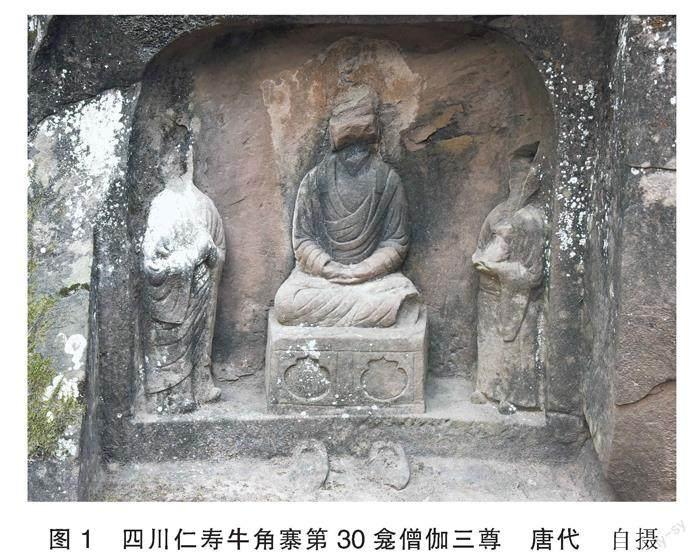
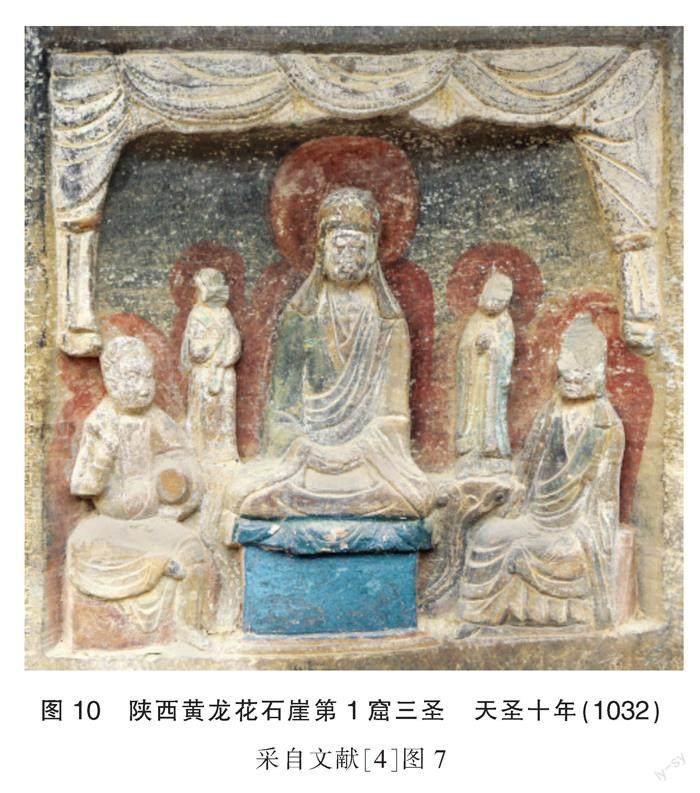
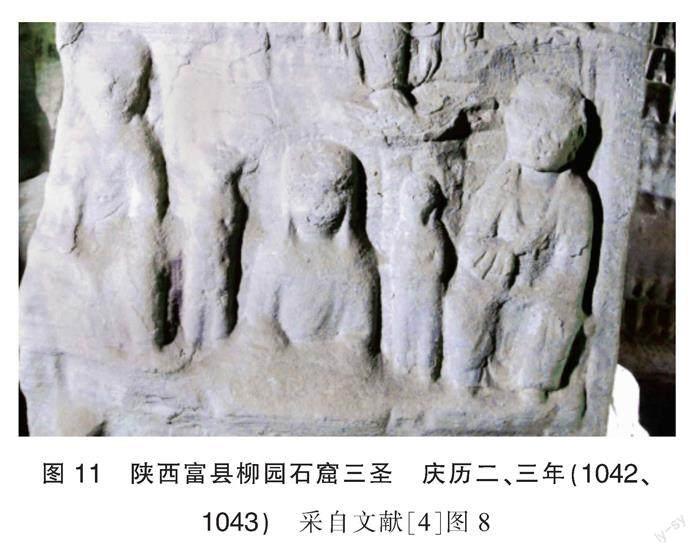
内容摘要:四川和陕北地区的僧伽造像的题材组合高度一致,包括三尊、三圣、四圣和僧伽变相,可称之为僧伽造像的长安传统。江浙沪地区流行的形象固定的单尊僧伽坐像可称之为僧伽造像的泗州样式。前者产生于长安,是长安地区僧伽图像系统的映射,后者来源于泗州普光王寺的僧伽真身像,二者各自独立起源和发展。
关键词:僧伽;造像;长安;泗州;图像样式
中图分类号:K879.29 文献标识码:A 文章编号:1000-4106(2023)03-0088-10
Changan Tradition and Sizhou Style:Two Sequences of
Sangha Statues from the Tang and Song Dynasties
ZHANG Liang YANG Xiao
(School of Archaeology and Museology, Sichuan University, Chengdu 610064, Sichuan)
Abstract:The subject of the Sangha (which in this case also includes depictions of Sengqie, a monk saint of the Tang dynasty) statues in Sichuan and Northern Shaanxi are highly consistent, as the statues of both locations include depictions of the Three Holy Ones, the Three Saints, the Four Saints, and were constructed to depict the story of Sengqie. The style of these statues can be regarded as belonging to the “Changan tradition.” The single statue of a sitting monk of the Sangha, which is popular in Jiangsu, Zhejiang and Shanghai, has a fixed image and is made of different materials, and can therefore be called the “Sizhou style” of Sengqies statue. The former style originated in Changan and reflects the iconography of the Changan area, while the latter originated from a portrait of Sengqie in the Puguangwang Temple in Sizhou. The two branches of iconography and artwork originated from different sources and developed independently.
Keywords:Sengqie; statues; Changan; Sizhou; image tradition
僧伽是盛唐時期的著名神僧,生前以种种不可思议的感通事迹著称于江南和长安地区;死后神迹又屡现不止,层累叠加,闻名全国,迅速受到信众的普遍崇奉,是后世汉地佛教高僧崇拜的主要对象。
近年来与僧伽相关的造像材料发现不断增多,多为石窟造像和单体造像,主要集中分布于四川{1}、陕北和江浙沪地区{2},创作时代集中在8世纪中叶至12世纪,即盛唐晚期至南宋,徐苹芳[1]、马世长[2]、李小强[3]、石建刚[4]、高秀军[5]、徐汝聪[6]等学者对上述各地区僧伽图像有不同程度的梳理与研究。笔者近年广泛参与川渝石窟造像的调查,新发现10余例唐五代时期的僧伽造像,极大丰富了僧伽造像的谱系。通过进一步梳理上述3地集中保存的僧伽造像类型,结合僧伽生平事迹和活动轨迹,厘析出唐宋时期僧伽图像两个独立发展的序列,即长安传统与泗州样式,有助于我们理解不同类型的僧伽像在不同区域集中出现的历史背景,本文拟就此问题进行初步讨论。……