农村老年人生产性老龄化模式研究
2021-09-12宋璐
宋璐
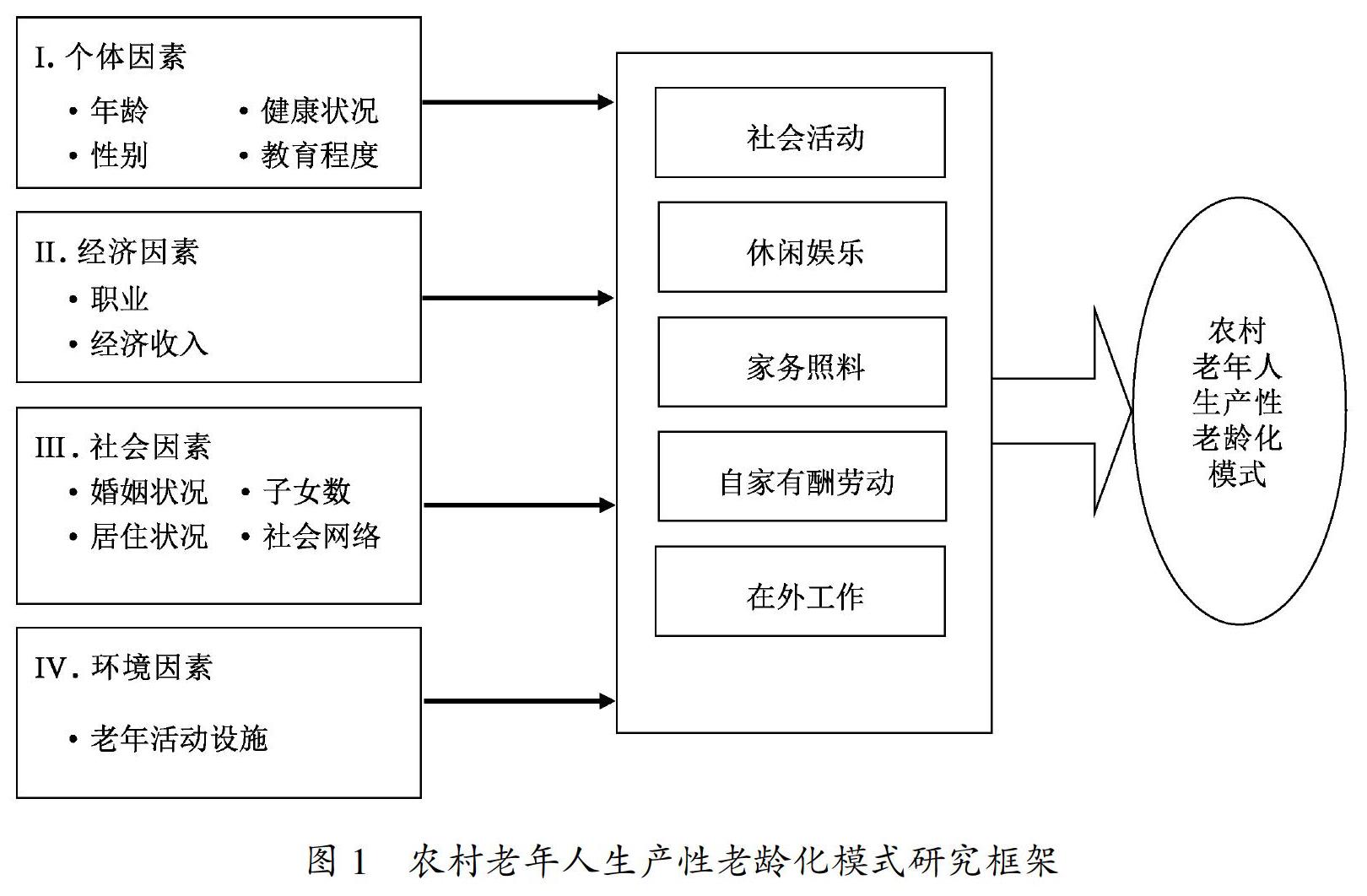
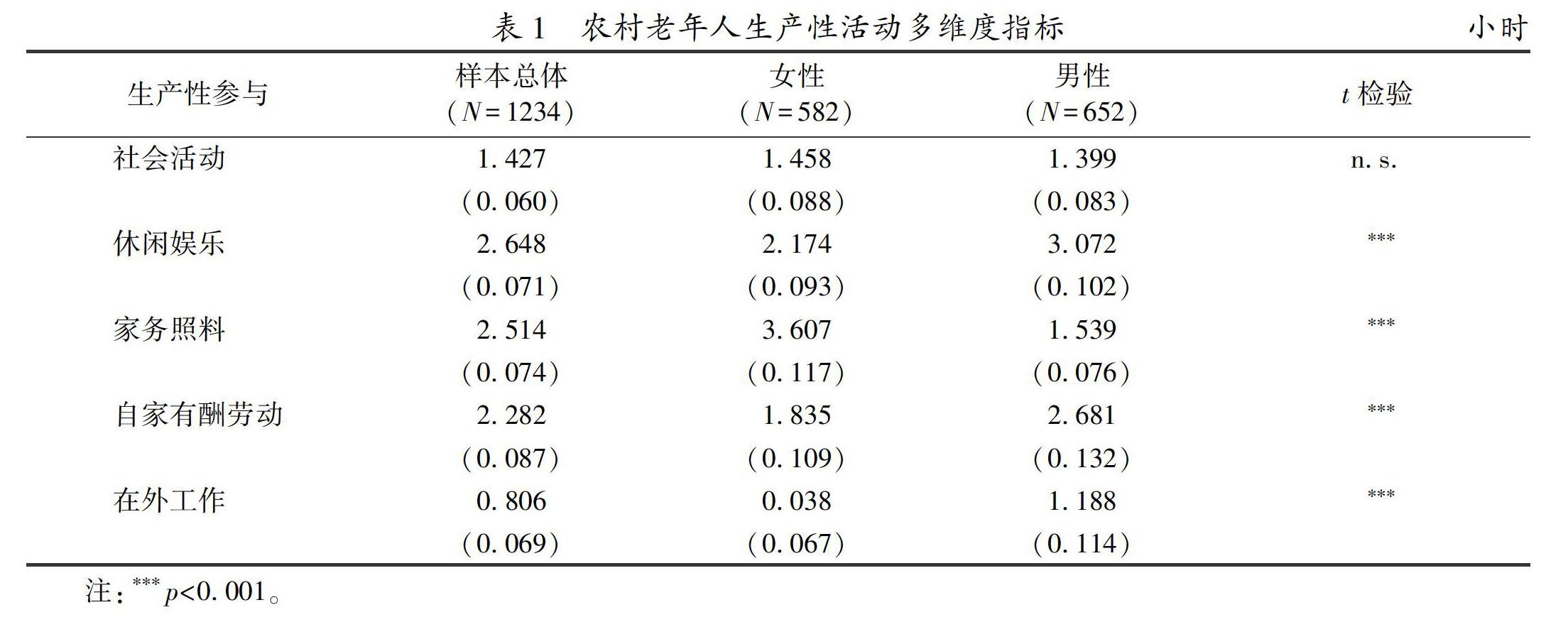
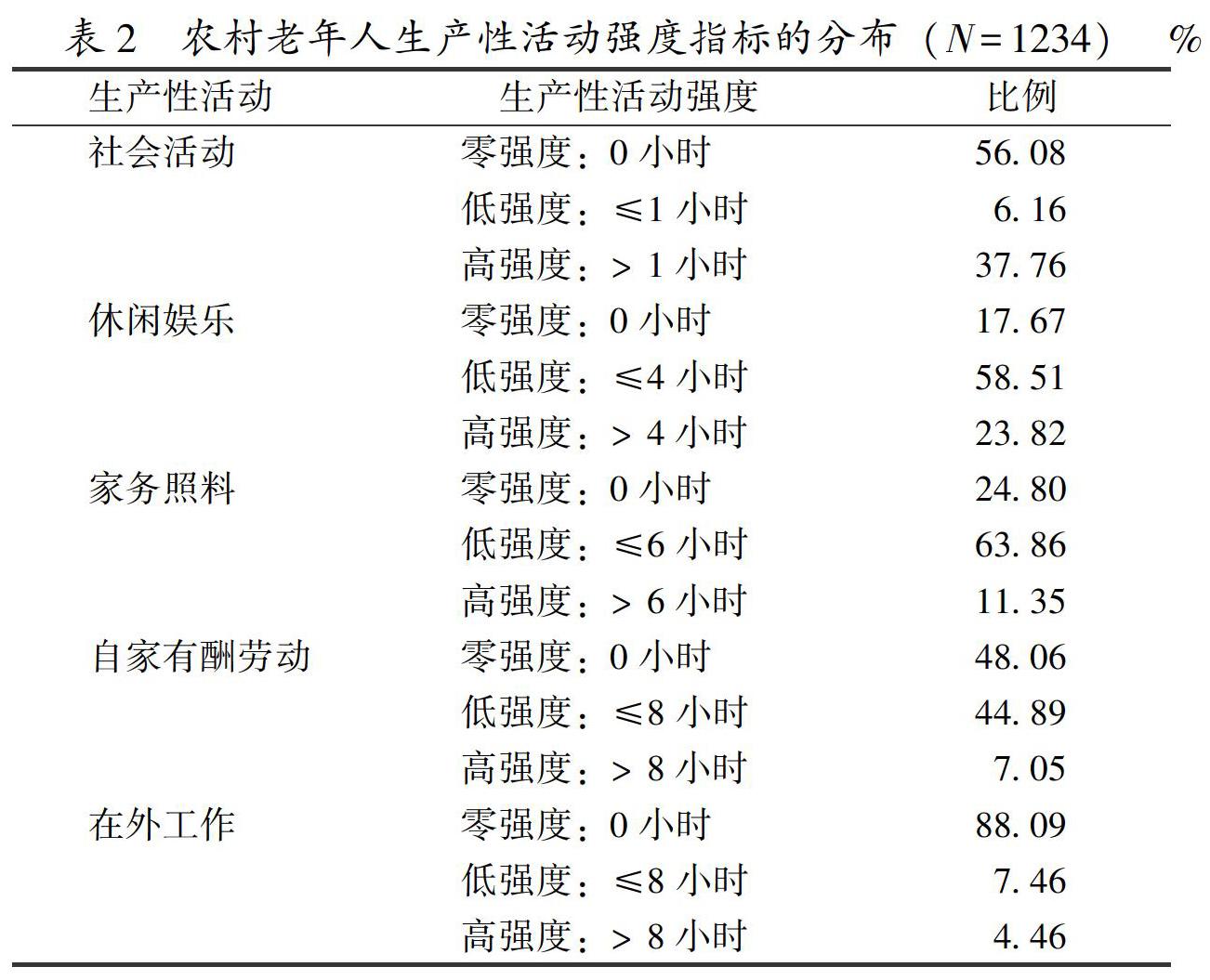
摘 要:基于改进的生产性老龄化分析框架,利用2018年“安徽省老年人生活福利状况”调查数据,对农村老年人生产性老龄化及其影响因素进行研究。潜在类别分析结果显示农村老年人存在四种生产性老龄化模式:低强度照料型、高强度照料型、居家劳动型和在外工作型。多分类Logistic模型回归结果显示,个人因素中的性别、年龄、功能状况,经济因素中的职业和收入,社会因素中的婚姻状况、居住方式和社会网络对农村老年人的生产性老龄化模式有显著影响,环境因素没有显著影响作用。研究结论对提高农村老年人生产性参与、开发老年人力资源、促进老年人健康福祉具有重要的理论和现实意义。
关键词:生产性老龄化;生产性活动;农村老年人;潜在类别分析
中图分类号:C913.6 文献标识码:A 文章编号:1000-4149(2021)04-0067-16
DOI:10.3969/j.issn.1000-4149.2021.00.030
Abstract: Based on improved analytical framework for productive aging and using the survey data of “The Elderly s Life Welfare in Anhui Province” in 2018, this paper uses the potential category analysis method to analyze the productive aging of the elderly in rural areas and its influencing factors. The results show that there are four modes of productive aging of the rural elderly: lowintensity caring, highintensity caring, working at home and working outside. The results of multi classification Logistic model show that gender, age, and functional status in personal factors, occupation and income in economic factors, marital status, living patterns and social networks in social factors have significant impacts on the productive aging of the rural elderly, while environment factors haven t significant effect. The conclusion of this study is of great theoretical and practical significance to improve the productive participation, develop the human resources and promote the health and wellbeing of older persons in Chinese rural areas.
Keywords:productive aging;productive activities;the rural elderly;latent class analysis
根据第七次全国人口普查公报,2020年我国60岁以上的老年人口总量为2.64亿人,已占总人口的18.7%,人口老龄化水平将转至增长的“快车道”国家统计局.第七次全国人口普查主要数据情况,http://www.stats.gov.cn/ztjc/zdtjgz/zgrkpc/dqcr/cpc/ggl/202105/t20210519_1817693html。国务院2016 年印发的《国家人口发展规划(2016—2030年)》和2017年印发的《“十三五”国家老龄事业发展和養老体系建设规划》提出要“鼓励老年人积极参与家庭发展、互助养老、社区治理、社会公益等活动,继续发挥余热并实现个人价值”,“通过培育积极老龄观、加强老年人力资源开发、发展老年志愿服务、引导基层老年社会组织规范发展扩大老年社会参与”。由此可见,“老有所为”已经是我国积极应对人口老龄化的重要政策目标之一。……