政策工具视角下我国畜禽养殖废弃物资源化利用政策研究
2021-06-17郭俊杰毕美光徐榕雪张英明于立芝
郭俊杰 毕美光 徐榕雪 张英明 于立芝
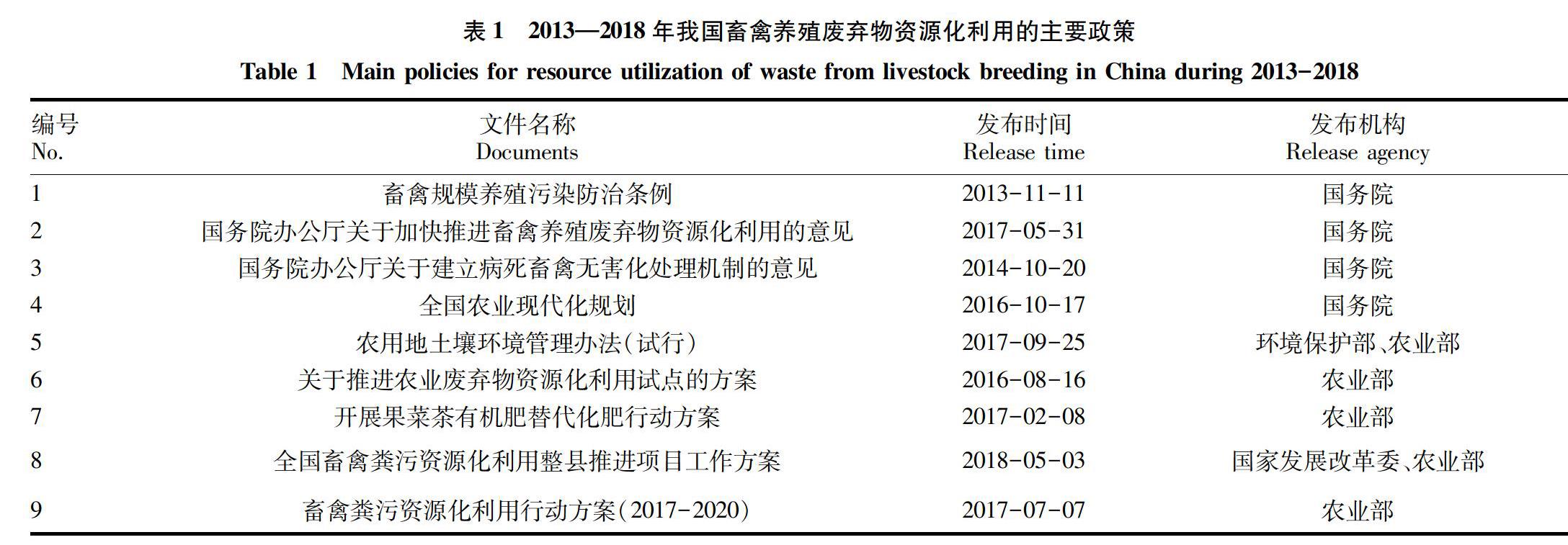
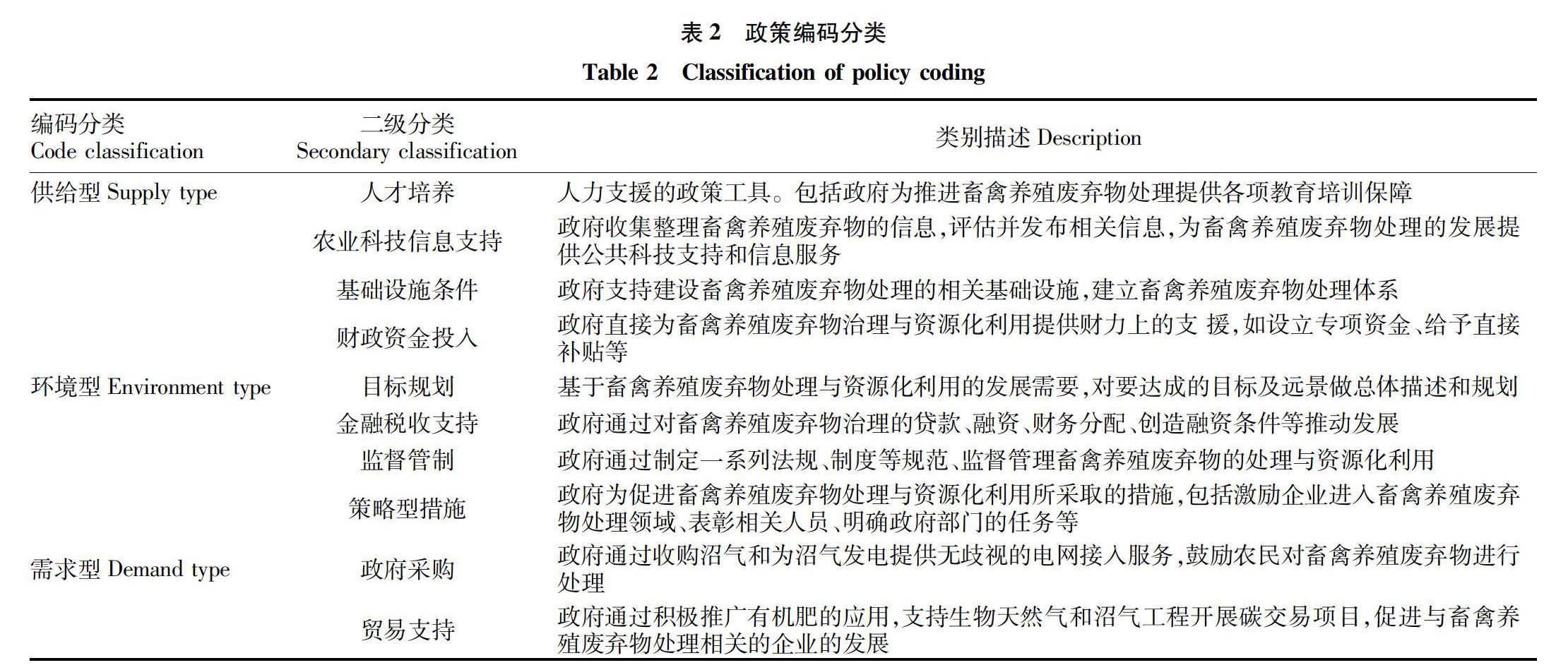
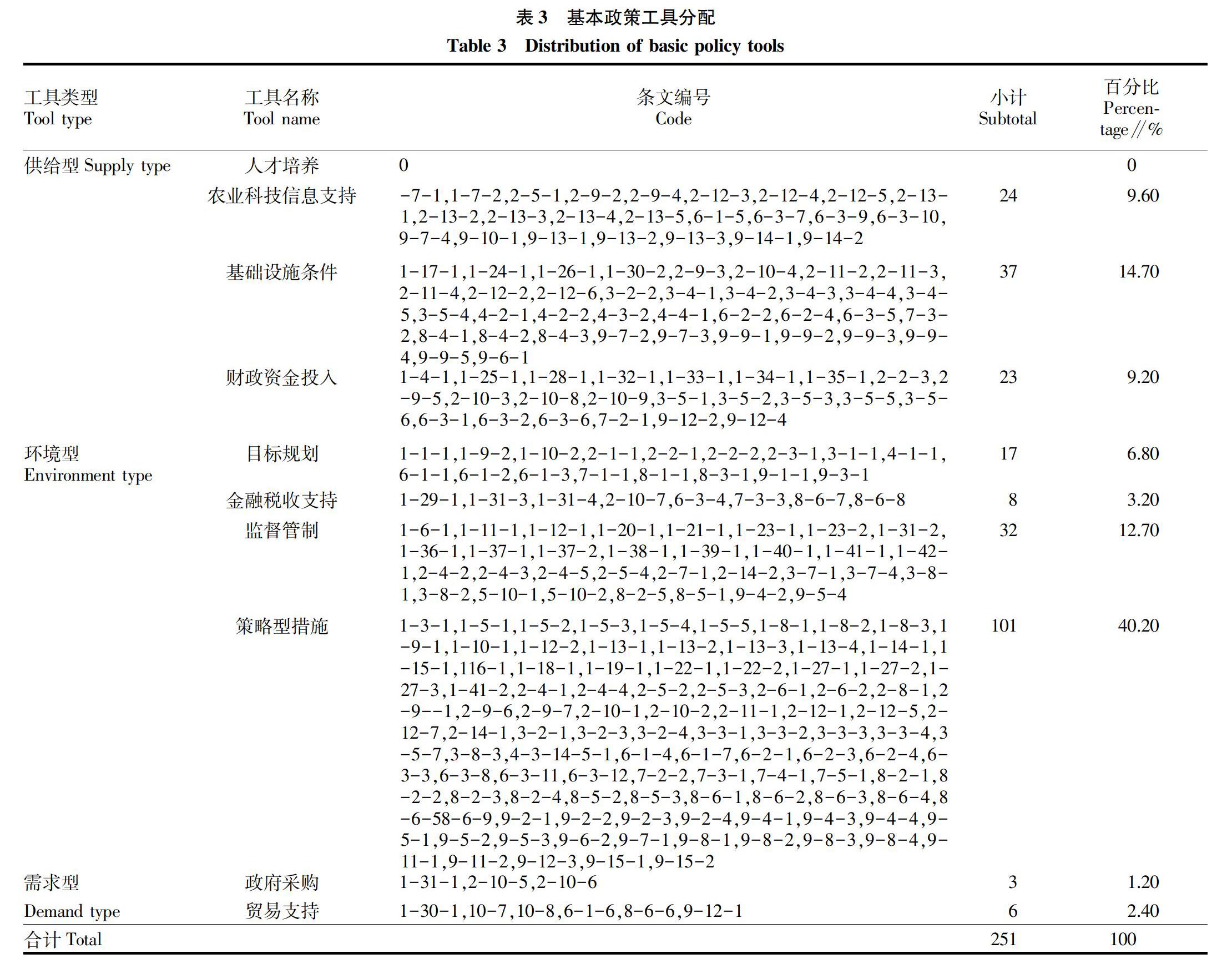
摘要 采用政策工具分析法,对我国2013-2018年畜禽养殖废弃物处理与资源化利用9项政策文本进行量化分析,探讨了相关政策的匹配程度和结构平衡状况。结果表明,环境型政策为62.9%,供给型政策33.5%,需求型政策为3.6%。环境型政策工具丰富,内部结构需进一步优化;供给型政策偏少,对人才培养方面不够重视;需求型政策明显不足。并提出了优化环境型政策,完善供给型政策,强化需求型政策的相关建议。
关键词 政策工具;畜禽养殖废弃物;资源化利用
中图分类号 X.713文献标识码 A
文章编号 0517-6611(2021)02-0273-04
doi:10.3969/j.issn.0517-6611.2021.02.071
開放科学(资源服务)标识码(OSID):
Research on Chinas Livestock and Poultry Waste Recycling Policy from the Perspective of Policy Tools
GUO Junjie, BI Meiguang, XU Rongxue et al (Yantai Research Institute, China Agricultural University, Yantai, Shandong 264670)
Abstract Using the policy tool analysis method, quantitative analysis of nine policy texts on the treatment and utilization of livestock and poultry waste in China from 2013 to 2018 was conducted. The matching degree and structural balance of related policies were discussed. The results showed that the environmental policy is 62.9%, the supply policy is 33.5%, and the demand policy is 3.6%. Environmental policy tools are abundant, the internal structure needs to be further optimized. Supplyoriented policies are too few, and insufficient attention is paid to personnel training. Demandbased policies are obviously insufficient. The advices were put forward including optimizing environmental policies, improving supply policies, and strengthening demand policies.
Key words Policy tools;Waste from livestock breeding;Resource utilization
政策工具分析因具有强大的解释力和可操作性得到广泛的认可[1],已经成为公共管理和政策科学的重要研究领域,应用领域主要涉及财政金融、环境保护、农业政策、就业和社会保障等多个领域[2]。相关的研究主要有中医药政策[3]、城乡医保政策分析[4]、耕地保护政策[5]、国家级医疗保险政策[6]、中国土壤污染治理[7]、中国耕地占补平衡制度[8]、促进科技成果转化的财政政策[9]、我国海洋经济政策[10]、大数据时代政府数据治理[11]、我国网络媒体政策[12]。政策工具分析的核心是通过政策内容的分类、结构的梳理和特征的概括,对政策工具的匹配性、平衡性和绩效性进行评价[1]。我国畜禽养殖业发展迅速,在实现了人们对畜禽产品的需求和促进经济发展的同时,也容易引起严重的畜禽养殖粪污对
环境的污染。我国非常重视畜禽养殖废弃物的处理与资源化利用,并出台了相关法律法规[13-14]。……
