基于策略型消费者的服装业双渠道供应链定价策略研究
2021-05-12曹文彬黄思敏
曹文彬 黄思敏
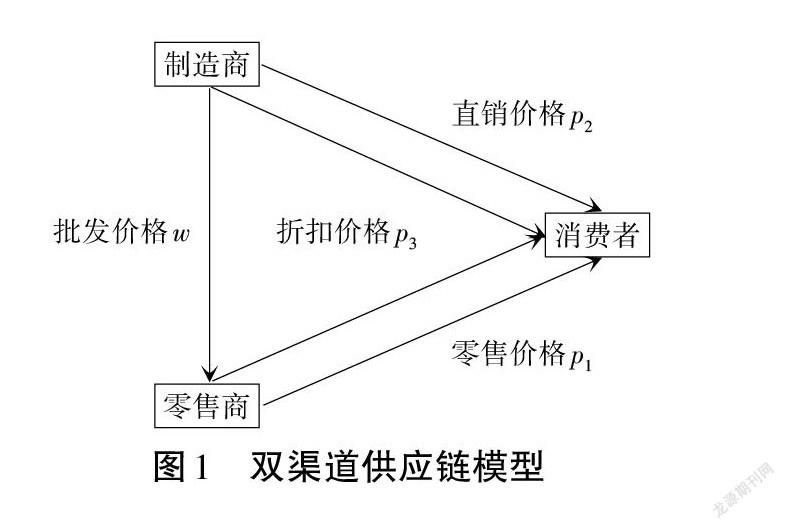

摘 要:在一个制造商和一个零售商构成的双渠道供应链模型中,引入策略型消费者这一变量来研究时装业传统渠道和直销渠道的定价策略。建立以制造商为主的Stackelberg模型,分析了在市场中策略型消费者的比例对服装业定价策略的影响,求出在集中决策和分散决策下最优定价策略。结果表明当市场中策略型消费者数量少且影响小时,制造商定价策略的主要对象是零售商;而当策略型消费者数量多且影响较大时,制造商定价策略的主要对象是策略型消费者。最后通过数值分析得出集中决策下的供应链利润高于分散决策下供应链利润,从而制定最优定价策略。
关键词:策略型消费者;双渠道供应链;定价策略
中图分类号:F274 文献标识码:A
Abstract: In the dual channel supply chain model composed of one manufacturer and one retailer, the variable of strategic consumer is introduced to study the pricing strategy of traditional channel and direct channel in fashion industry. This paper establishes a Stackelberg model based on manufacturers, analyzes the influence of the proportion of strategic consumers in the market on the pricing strategy of clothing industry, and finds out the optimal pricing strategy under centralized decision and decentralized decision. The results show that when the number of strategic consumers is small and the influence is small, the main target of manufacturer's pricing strategy is retailer; when the number of strategic consumers is large and the influence is great, the main object of manufacturer's pricing strategy is strategic consumers. Finally, through numerical analysis, it is concluded that the profit of supply chain under centralized decision-making is higher than that under decentralized decision-making, so as to formulate the optimal pricing strategy.
Key words: strategic consumers; dual channel supply chain; pricing strategy
0 引 言
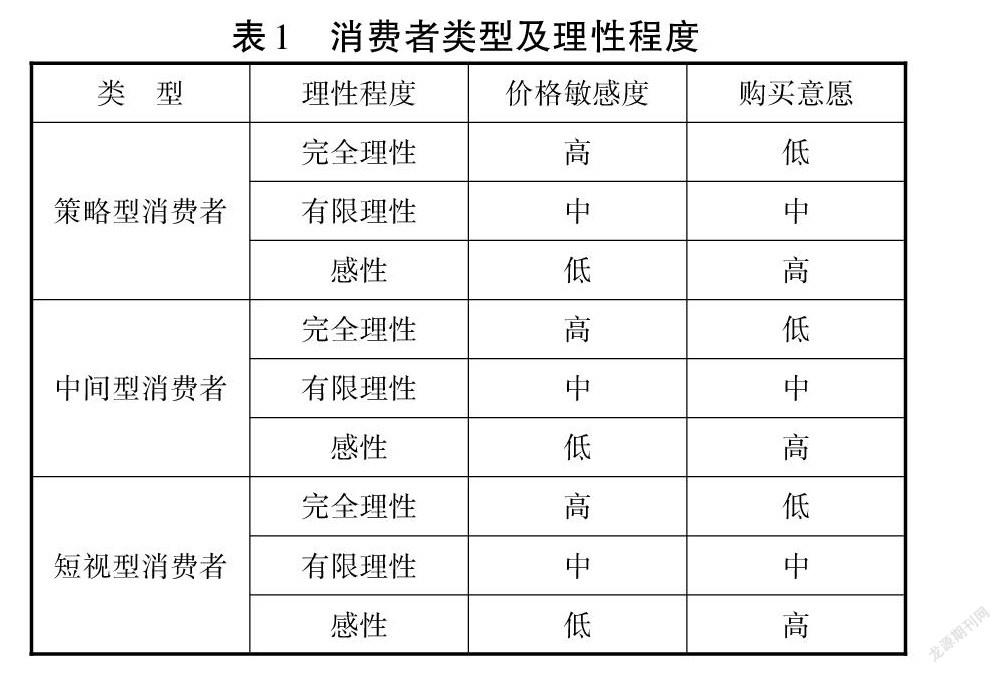
服装业是我国传统产业之一,在国民经济占据重要地位。改革开放和市场经济的迅速发展极大地改变了服装业的发展趋势,从原来的劳动密集型产业逐渐转向资本密集型产业,从对大量劳动力的依赖转为对机器设备的依赖。国内这一巨大市场是推动服装业发展的重要动力,物质生活水平的提高改变着人们的消费观念,大众化、趋同化已不再是消费者心中的购买意愿,取而代之是个性化、差异化和设计感,更多地注重对品牌、面料、款式等方面的挑选。这给服装业带来新的商机,同时也带来巨大的挑战,如何在快速响应市场需求的同时避免库存积压,获得最大化供应链整体利润,这是值得我们去深入探讨的问题。……
