论西域样式凹凸法与天竺遗法
2017-06-09顾颖
顾颖


内容摘要:西域式“凹凸法”是西域样式佛画最基本的技法之一,它虽以古印度晕染法为根基,但同时也是在糅合其他相异文化因素的基础上发展而來的,其技巧、程式、效果与所谓的“天竺遗法”有着显著的区别。因此,在有关“西域绘画”的研究中,应将“天竺遗法”与西域式“凹凸法”予以区分,如此才能更清晰地把握西域样式佛画的风格和特征。
关键词:佛教绘画;西域凹凸法;天竺遗法;
中图分类号:K879.2 文献标识码:A 文章编号:1000-4106(2017)02-0078-06
Abstract: The shading technique is one of the most basic techniques used in Buddhist paintings of the Western Regions style, which can even create a three-dimensional effect. Though mainly derived from ancient Indian haloing techniques(e.g. water polishing), it was developed by assimilating certain elements from foreign cultures, and is therefore quite distinct from the ancient Indian technique in terms of skill, pattern, and effect. This article argues that the two different techniques above should be clearly distinguished so as to have a clearer understanding of the style and features of Buddhist paintings from the Western Regions.
Keywords: Buddhist paintings; shading techniques of the Western Regions;“ancient Indian techniques”
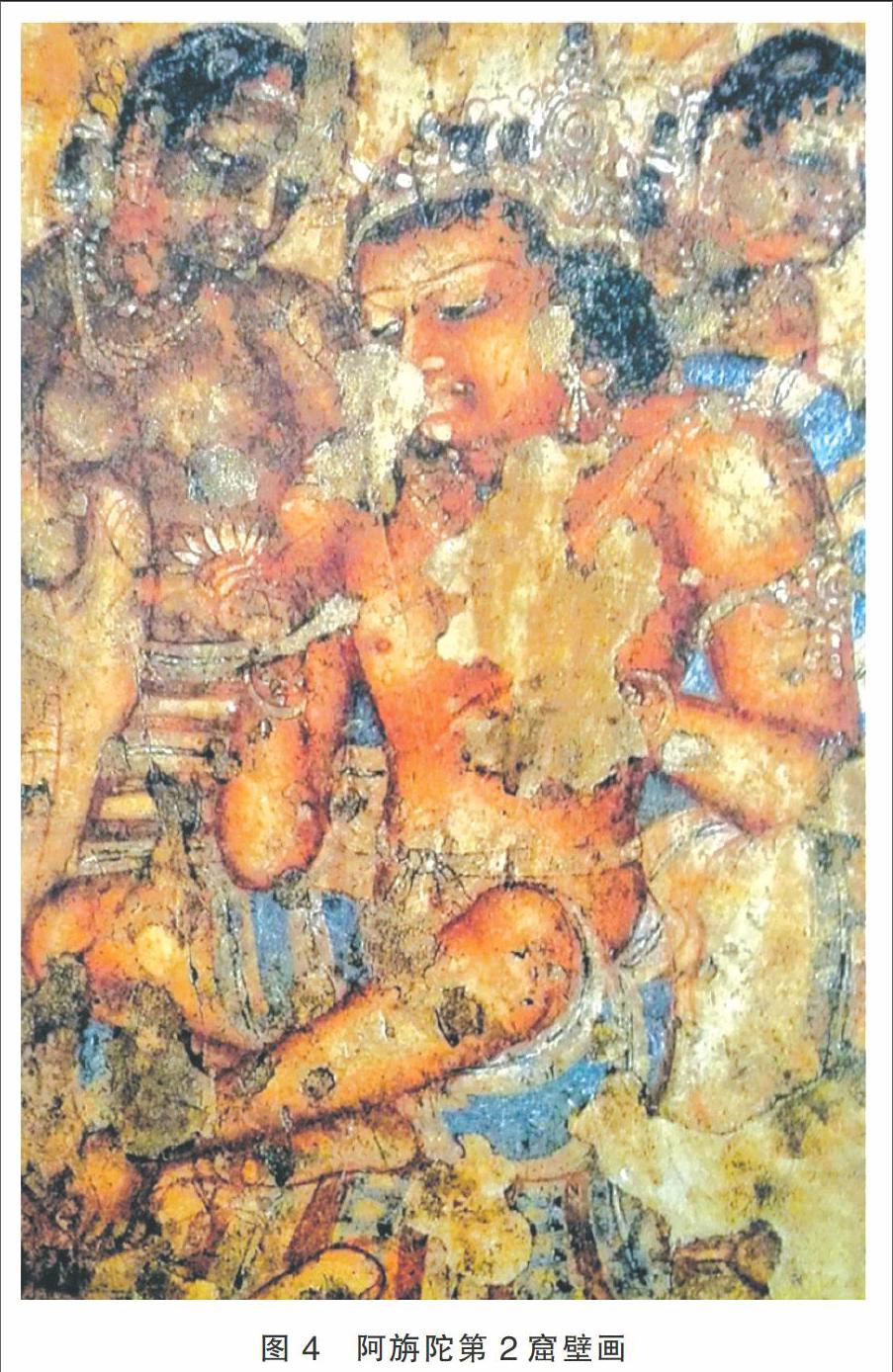
本文所言西域样式是指佛教绘画在传至西域后,因时因地衍化而逐渐形成的具有自己独特造型样式及基本风格要素的绘画形式{1}。其成熟形态以六七世纪时的克孜尔石窟壁画为代表,西域式凹凸法是西域样式佛画的基本技法之一。而“天竺遗法”一语出自唐人许嵩所著《建康实录》对张僧繇手迹的描述[1],其意是指源于印度的绘画技法{1}。
无论是西域样式还是天竺遗法,都曾深刻地影响了汉地佛画的产生及发展。这些外来佛像,因与汉地人物画系统相异的梵相面貌和绘制风格,而让汉地居民印象深刻并被载于文献。只是在这些文献中,传来佛画的“西方”是一个笼统的概念,加之这些佛画在风格式样上的某些共性,对于汉地居民来说,尚不能详加区分它们是源自西域还是印度或其他地方。缘此,在后世的研究中,二者往往被混为一谈。比如在谈到张僧繇所用之天竺遗法时,往往以今新疆地区的古代绘画遗存作依据;……