基于因子分析和熵权法的我国医药产业创新政策实施效果评价
2016-09-26徐伟仲忆雯郝梅
徐伟+仲忆雯+郝梅


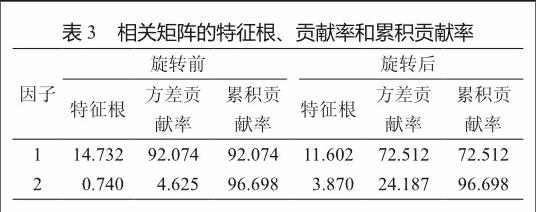
摘 要 目的:评价我国医药产业创新政策的实施效果。方法:运用因子分析法,从创新投入、创新产出、创新环境等16个指标中筛选出影响创新政策实施效果的2个主因子F1和F2,并通过熵权法对2个因子的得分赋权重进行分析,以综合评价2002—2014年创新政策的实施效果。结果及结论:近13年来,我国医药产业创新政策实施效果总体呈上升趋势。
关键词 医药产业 创新 效果评价
中图分类号:F273.1 文献标识码:A 文章编号:1006-1533(2016)15-0068-03
Effect evaluation of the implementation of innovation policies in Chinese pharmaceutical industry based on factor analysis and entropy method*
XU Wei**, ZHONG Yiwen, HAO Mei
(International Pharmaceutical Business School, China Pharmaceutical University, Nanjing 211198, China)
ABSTRACT Objective: To evaluate the effect of the implementation of innovation policies in pharmaceutical industry. Methods: Two main factor F1 and F2 affecting the effectiveness of the implementation of innovation policies were screened out from 16 factors including the input, output and environment of innovation and so on by factor analysis and their score empowerment heavy was assessed by entropy weights so as to comprehensively evaluate the effect of the implementation of innovation policies from 2002 to 2014. Results & Conclusion: The effect of the implementation of innovation policies in Chinese pharmaceutical industry over the recent 13 years appears to be overall upward trend.
KEY WORDS pharmaceutical industry; innovation;effectiveness evaluation
医药产业的发展与国计民生有着千丝万缕的联系,而技术创新的能力是医药制造业发展的动力[1]。“十二五”期间,我国医药产业取得了很大的进步,产业布局更加合理,规模效益快速增长,创新能力显著提升,质量管理不断加强。国家高度重视我国医药行业的发展,自2009年新医改以来,为了鼓励新药创制,中共中央、国务院陆续下发了多个与医药创新相关的政策文件,主要涉及5个方面,分别是研发经费投入、税收优惠、重大新药创制、新药注册审批以及专利保护等政策,其主要目的在于鼓励医药企业创新发展。政策效果是进行政策评估的重要标准之一[2],而对政策的技术创新政策进行评估需要一定的专门知识。本文采用因子分析和熵权法对创新政策实施效果进行分析,利用因子分析法,揭示创新投入、创新产出以及创新环境等变量因子之间的规律,并通过熵权法进行客观赋权,分析近13年来医药产业创新政策实施的综合状况。……
