影视剧中方言的语言形象研究
2021-10-30王莉宁潘莹莹
王莉宁 潘莹莹

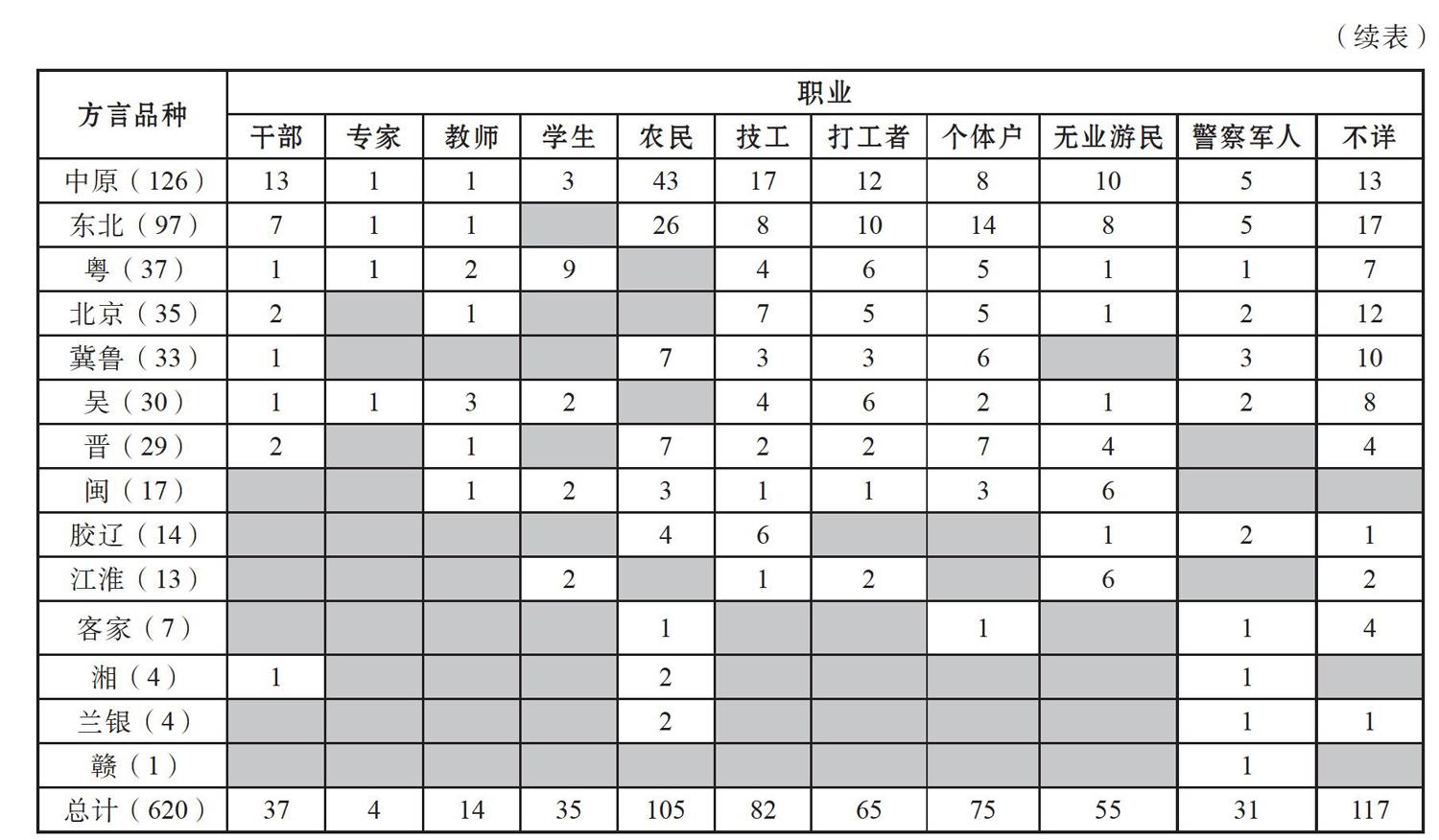
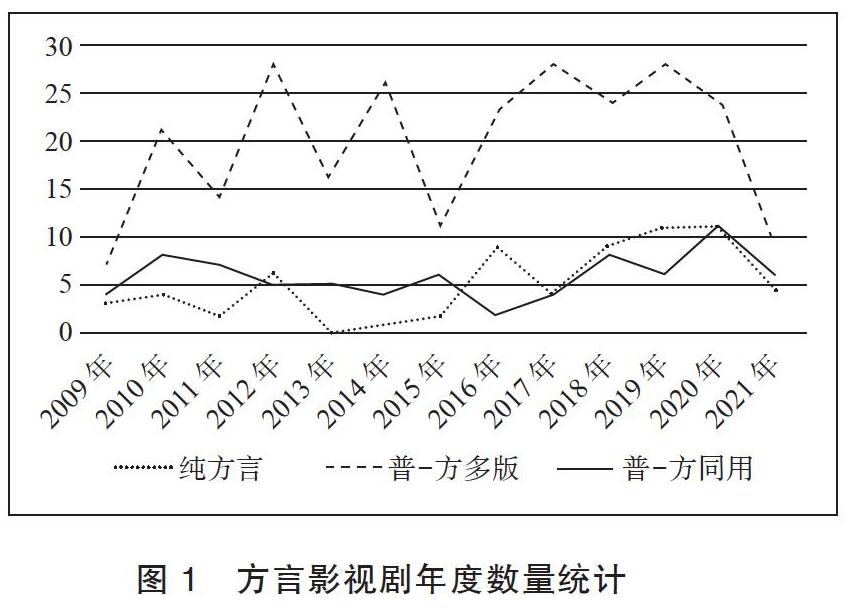
提 要 对近10多年来400部方言影视剧从类型、所用方言品种和年度分布3个角度进行梳理归纳,并对剧中620个方言使用者的社会变量进行分析,结果显示:粤方言、西南官话、中原官话以及东北官话在方言影视剧中获得了较为充分的运用和展现,成为文艺创作重要的语言资源;自2016年起,方言影视剧的创作量增加,社会评价提升,经济价值显著;影视剧中方言使用者的社会特征体现为“中年”“男性”“体力工作者”“文化水平不高”“乡镇”和“富有喜剧色彩”;上述因素共同建构了当前方言在影视剧中的语言形象。语言形象的塑造传播必须以维护国家通用语言文字的主体地位为前提;同时,从利于保护传承方言文化的角度来看,应避免方言在影视剧中的语言形象过度标签化。
关键词 语言形象;语言资源保护;方言文化;影视剧
中图分类号 H002 文献标识码 A 文章编号 2096-1014(2021)06-0085-12
DOI 10.19689/j.cnki.cn10-1361/h.20210607
Study of the Language Image of Dialects in Movies and TV Series
Wang Lining and Pan Yingying
Abstract Based on linguistic data selected from 400 movies and TV series, this article attempts to examine types, varieties, and time distribution of dialectal movies and TV series over the last decade or so and analyzes the social variables of 620 dialect users in these movies and TV series. The findings reveal that Cantonese, Southwest Mandarin, Zhongyuan Mandarin, and Northeast Mandarin are more frequently used than others in movies and TV series. These dialects have become important language resources being utilized for literary expression of local characteristics. Since 2016, the number of dialectal movies and TV series has increased significantly, and their social images have been improved, and their economic benefits have been attractive; the socio-economic status of dialect users is embodied in social factors such as “middle-aged”, “male”, “manual worker”, “low literacy”, “rural township” and “comedy”; these factors function as contributors in constructing the current language image of dialects in movies and TV series. The article argues that the creation and dissemination of language image must conform with maintaining the major status of the ‘National Commonly Used Language and Characters; at the same time, from the perspective of protecting and inheriting dialectal cultures, the language image of dialects in movies and TV series should be prevented from being stereotyped.
Keywords language image; protection of language resources; dialect culture; movies and TV series
一、引 言
(一)語言形象
语言形象的研究始于20世纪80年代,美国社会语言学家Shuy(1981)提出了“语言公众形象”(public image of language)的概念,认为报纸杂志等大众媒体对语言变异所持的负面评价反映了语言的公众形象。他认为,要改善英语的语言公众形象,须将语言变异视为资源而非缺陷,让公众知晓语言学家描写、解释语言变异并不是要破坏语言规则,而是要关注不同文体的语言变异以及重视语言变异对社会意义的建构等。英国语言学家Jervis(1999)通过6篇相关文章讨论了16~19世纪文献里的德语语言形象,阐释了德语在欧洲语言中的历史地位、语言纯粹主义在外来词和词汇隐喻里的表现以及德语母语者对法语、英语的语言态度等问题,指出德语母语者在发现并定义其周边语言性质的同时,也在塑造德语自身的语言形象。……