面向语言障碍筛查的汉语儿童言语交际水平评估系统研发
2021-10-30陆烁丘国新钱思宇高乐妍
陆烁 丘国新 钱思宇 高乐妍
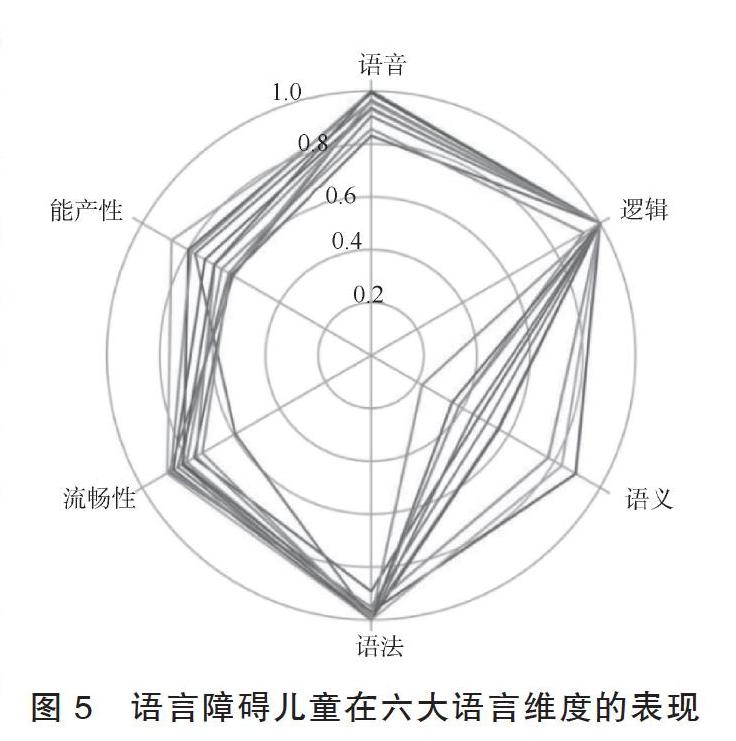

提 要 中山大学中文系神经语言学教学实验室面向语言障碍筛查开发的汉语儿童言语交际水平评估系统,以一套固定程序作为引导,能在短时间内快速采集儿童的言语数据。基于这个评估范式,实验室采集了大量2~14岁儿童言语交际过程中的言语数据,从语音、能产性、流畅度、语法、语义、逻辑六大语言维度出发,细分为16项指标对语料进行人工标注和机器识别,建立起一个应用于语言能力评估和语言障碍筛查的汉语儿童言语数据库,可以精准评估汉语儿童的言语交际水平。目前该语料库储存了966名汉语儿童的言语数据,并对638名儿童的语料进行了标注。该语料库可以对儿童语言障碍的智能化筛查提供机器学习训练数据,也可以为研究汉语儿童语言习得和各类儿童语言障碍提供数据资源支持。
关键词 儿童语言障礙;语言评估;言语交际;数据库;语料库
中图分类号 H002 文献标识码 A 文章编号 2096-1014(2021)06-0045-14
DOI 10.19689/j.cnki.cn10-1361/h.20210604
Developing a Speech Communication Ability Evaluation System
for Screening Language Disorders in Chinese-Speaking Children
Lu Shuo, Qiu Guoxin, Qian Siyu and Gao Leyan
Abstract Language is an indispensable communication tool for human beings, and language ability is an essential skill that children must acquire in their development. Oriented to the language disorders in Chinese-speaking children, an evaluation system has been developed by the Neurolinguistics teaching laboratory at Sun Yat-sen University to measure Chinese childrens speech communication ability and screen language-related disabilities. Using a fixed procedure as a guide, the system can collect childrens speech communication data in a very short time. Based on this evaluation paradigm, a speech corpus of Chinese-speaking children for language disorder screening was established, and up to now data of 996 children aged between 2-14 have been collected. The data are evaluated from six linguistic aspects (including phonology, productivity, fluency, grammar, semantics, and logic) with 16 indicators recognized by both manual annotation and machine recognition. Currently, the data of 638 Chinese-speaking children have been processed and annotated. Such a corpus can offer an affluent training set for automatic screening of childrens language disorders, and provide resource for studies on language acquisition and language disorders.
Keywords Childrens language disorder; language evaluation; speech communication; data base; corpus
一、引 言
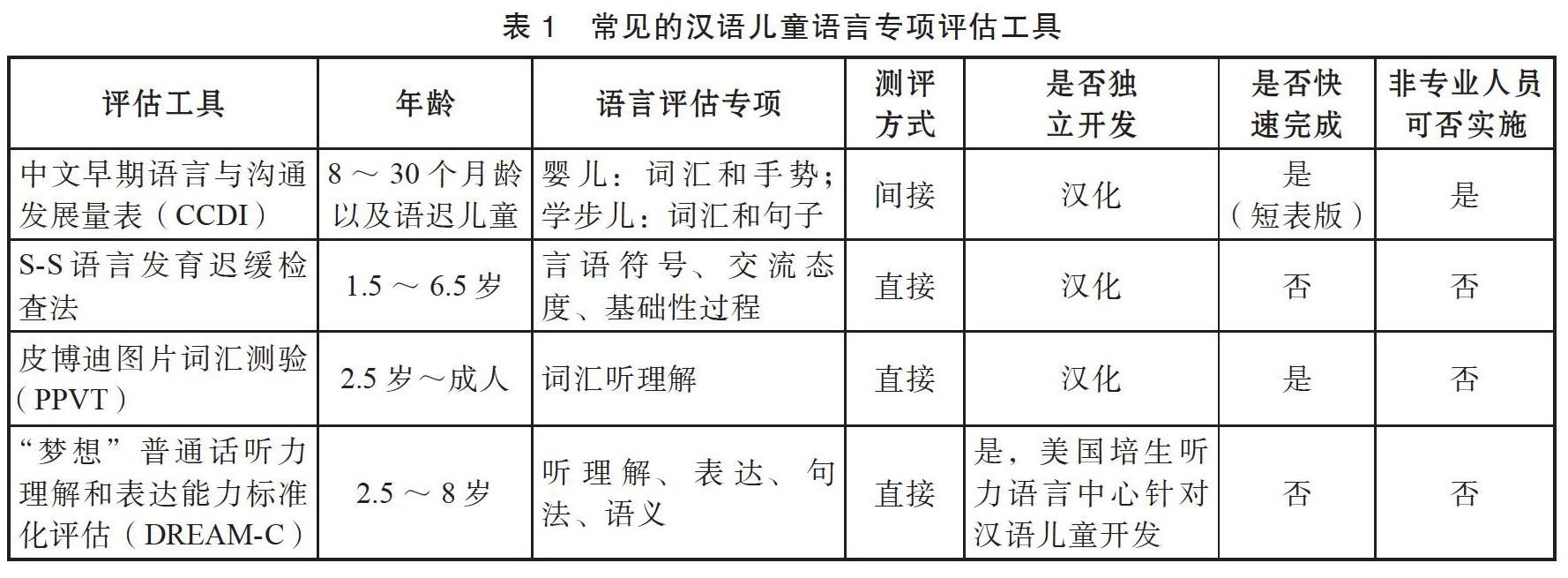
语言是人类必不可少的沟通交流工具,也是儿童发育过程中需要习得的核心能力。儿童在母语习得过程中常常会发生语言理解、加工、整合、产出的水平低于同龄儿童的现象,如发音困难、发音不准确、词汇匮乏、话语过于简单、不愿意说话等等,即出现儿童语言障碍的现象。据统计,6%~8%的学前儿童无法达到预期的语言发展目标(Tomblin et al. 1997;Collisson et al. 2016;Norbury et al. 2016)。本研究采用广义上的儿童语言障碍概念,既包括由于听力或其他感官损伤、神经功能发育异常等疾病引起的语言障碍,也包括原发性而非其他疾病衍生的发展性语言障碍(Developmental Language Disorder,DLD)。……