京津冀地区专业化结构与经济增长演化分析
2021-10-09郭将贺勋
郭将 贺勋
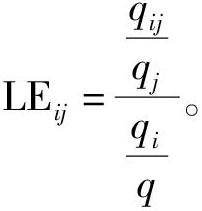


摘 要:市场一体化背景下地区专业化结构的演变一直是区域经济的重要研究领域,也是解释地区差距,研究合理化产业结构的重要视角。以区位熵作为衡量地区专业化程度的指标,根据京津冀地区13个城市2009—2018年的面板数据,对京津冀专业化程度与城市经济增长间的相关关系进行了实证研究。检验结果表明:制造业专业化和基础服务业专业化对经济产生了消极影响,而高端服务业专业化对经济增长有积极影响;同时发现基础服務业存在过剩供给,京津冀地区专业化程度虽有改善,但结构不合理,成为了京津冀协同发展的重大挑战。
关 键 词:京津冀;区位熵;专业化;经济增长
DOI:10.16315/j.stm.2021.04.003
中图分类号: F061.5
文献标志码: A
文章编号:1008-7133(2021)04-0019-08
Abstract:Under the background of market integration, the structural change of regional specialization has always been an important research field of regional economy. It is an important perspective to explain the regional gap and study the rationalization of industrial structure. Based on the panel data of 13 cities in Beijing Tianjin Hebei region from 2009 to 2018, this paper uses location entropy as an index to measure the degree of regional specialization, and makes an empirical study on the correlation between the degree of specialization of Beijing Tianjin Hebei region and urban economic growth. The test results show that the specialization of manufacturing industry and basic service industry have a negative impact on the economy, The specialization of high-end service industry has a positive impact on economic growth, and the excess supply of basic service industry is found. It is concluded that although the degree of specialization in Beijing Tianjin Hebei region has improved, the structure is unreasonable, which has become a major challenge for the coordinated development of Beijing Tianjin Hebei region.
Keywords:Beijing Tianjin Hebei;location entropy;specialization;economic growth
“专业化”一直是学界在研究产业结构时的重要视角,主流观点认为专业化有助于产业内部形成专业化劳动力市场、专业化投入品市场以及专业化知识技术外溢,从而促进经济增长。
而京津冀协同发展作为重要的国家战略,有关“应该如何发展”也引发诸多讨论,其中最受关注的是京津冀协同发展,提出通过“合理分工”的方式来促进经济增长,三次产业按照发展阶段大致为:北京研发后,天津利用、转化科研成果,河北则做配套工作的补充,北京发展创新产业赋能津冀地区。
但在京津冀的现实语境下,却出现 “重服务、轻制造”的现象, 同时,京津冀产业结构体系自相独立,封闭发展和产业同构的现象仍然很严重,这与协调发展的初衷背道而驰。……