摩尼教“树”信仰及其哲学化二元论思想
2021-09-12彭晓静杨富学
彭晓静 杨富学
內容摘要:敦煌文献《摩尼教残经》《摩尼光佛教法仪略》和《下部赞》中时常出现对“树”的描述,在摩尼教中,树充任重要象征和哲学符号。尤其是其中的“活树”和“死树”,乃摩尼教用来表达贯穿其教义核心的光明与黑暗的二元论思想最贴切的象征,从而通过阐明光明与黑暗二元之间的斗争,来彰显中际时期世界明暗二宗之战的深化和继续,借由“扶明克暗”来体现人类自身的道德修养、心灵的善恶和修行的优劣。这不仅直接影响到人类自身明暗二性的强弱变化,亦将最终决定灵魂能否及早得救、复归光明天国。
关键词:敦煌文献;摩尼教;琐罗亚斯德教、生命树;二元论
中图分类号:K879.3 文献标识码:A 文章编号:1000-4106(2021)03-0095-10
Abstract:Trees are an important literary and philosophical symbol in the Manichaean documents of Dunhuang such as Fragmental Manuscripts of Manichaeism(宇56, BD00256), Compendium of the Doctrines and Styles of the Teaching of Mani, the Buddha of Light(S.3969+P.3884) and Chinese Manichaean Hymn Scroll(S.2659, Or.8210). The “living tree” and “dead tree” are symbols used by Manichaeism to express the dualism of light and darkness, which is the core doctrine that runs through Manichaeism. Clarifying the struggle between the light and the dark reveals an important strain in the thought of the Middle Ages that saw the world as experiencing a deepening and continuation in the war between the two forces of light and darkness. The moral doctrine of Manichaeism also operated according to this dualism by claiming that the good and evil of the soul and the merits and demerits of spiritual practice are realized by“helping the bright and suppressing the dark”. The struggle between light and darkness not only directly effects changes in the corresponding essences of human beings, but also determines whether an individual's soul can be saved and allowed to return to heaven.
Keywords:Dunhuang manuscripts; Manichaeism; Zoroastrianism; Tree of Life; dualism
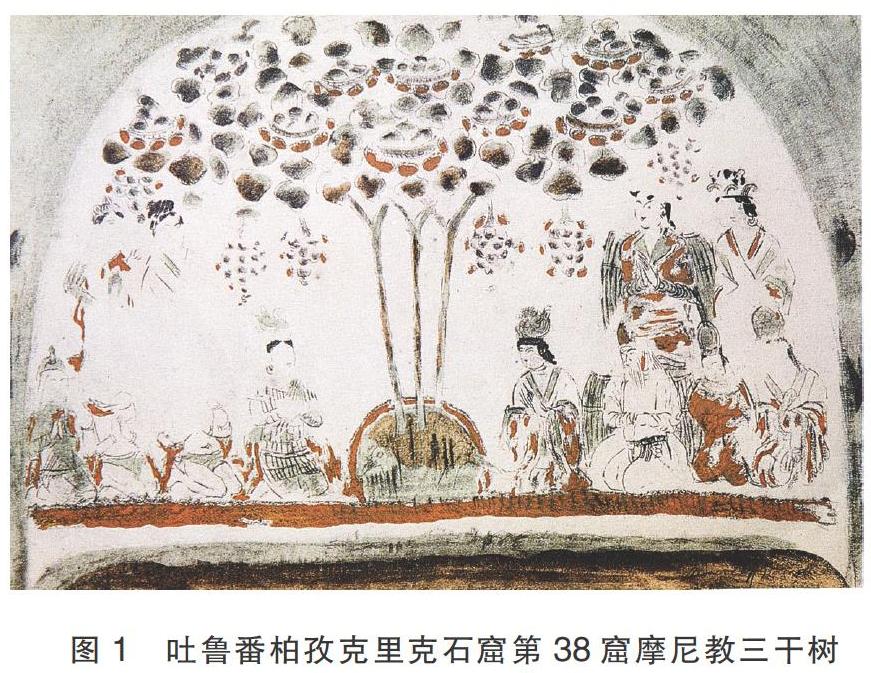
摩尼教文献中有大量记载与人们对于“树”的信仰有关,而敦煌本摩尼教文献中,这一信仰更多地表现为“活树”与“死树”的对立概念。惜学术界未予以足够的关注,仅有芮传明先生撰文探讨了“树”符号的象征意义[1]。其实,在象征意义之外,“树”作为哲学命题所蕴含的意义要比作为符号而具有的象征意义更为重要。遗憾的是,学界对此尚少关注,更谈不上系统的研究。有鉴于此,笔者拟以敦煌汉文文献为基本依据,结合西亚、北非等地发现的科普特文与敦煌吐鲁番发现的回鹘文摩尼教典籍,对“树”以及作为对立统一概念的“活树”“死树”命题所体现的摩尼教哲学问题略作探讨,冀以抛砖引玉。
一 摩尼教“树”信仰及其根源
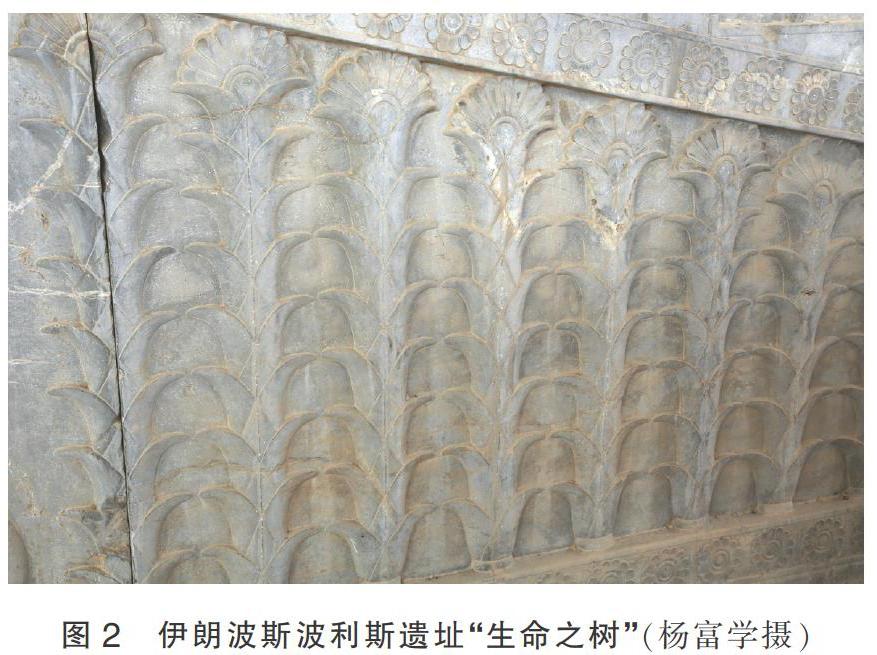
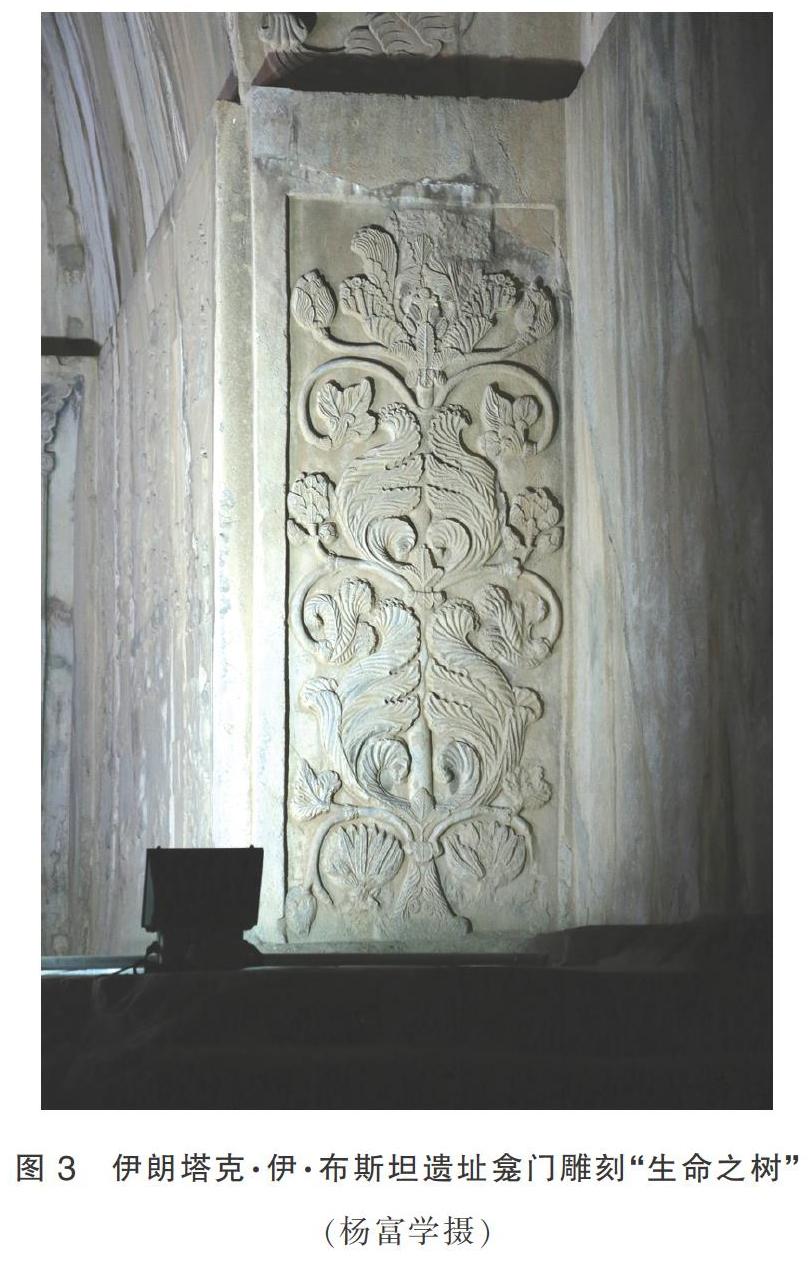
“树”是摩尼教的一个极为重要的符号,这里所说的“树”,并非单纯指代“树”的本身,而是与之相联系的特征。……