犍陀罗地区与塔里木盆地周缘佛教寺院形制布局的比较研究
2021-09-12李肖廖志堂
李肖 廖志堂
内容摘要:从印度发源的佛塔、佛寺在向中亚地区和塔里木盆地周缘传播的过程中,不断吸收沿途的文化元素,因地制宜,逐渐形成了“(多层)方形塔基-柱形塔身”的佛塔形制,以及“塔院-僧院”并列分布的佛寺布局模式,可见佛教寺院风格渐趋简单、封闭,反映了佛教发展和传播过程中,不同自然地理、历史文化、思想观念元素之间的矛盾与调和。
关键词:佛教寺院;形制布局;犍陀罗;塔里木盆地
中图分类号:K879.3 文献标识码:A 文章编号:1000-4106(2021)03-0013-11
Abstract:This paper focuses on the development of the layouts of Buddhist monasteries in Gandhāra and the Tarim Basin, two areas along the Silk Road that were significant for the propagation of Buddhism since the 3rd century B.C.E After its inception in ancient India, Buddhism and the architectural style it inspired underwent many periods of localization when coming into contact with various peoples, cultures and religions on its path to Central Asia. In particular, multi-layered stupas with a square base and the layout of Buddhist monasteries that include stupas and small cells for monks are notable later developments in Buddhist architecture. The architectural style of these monasteries tended to be simpler and more enclosed, which reflects the compromise that was necessary as the eastward transmission of Buddhism encountered different geographical, historical, cultural and ideological influences.
Keywords:Buddhist monastery; layout; Gandhāra; Tarim Basin
前 言
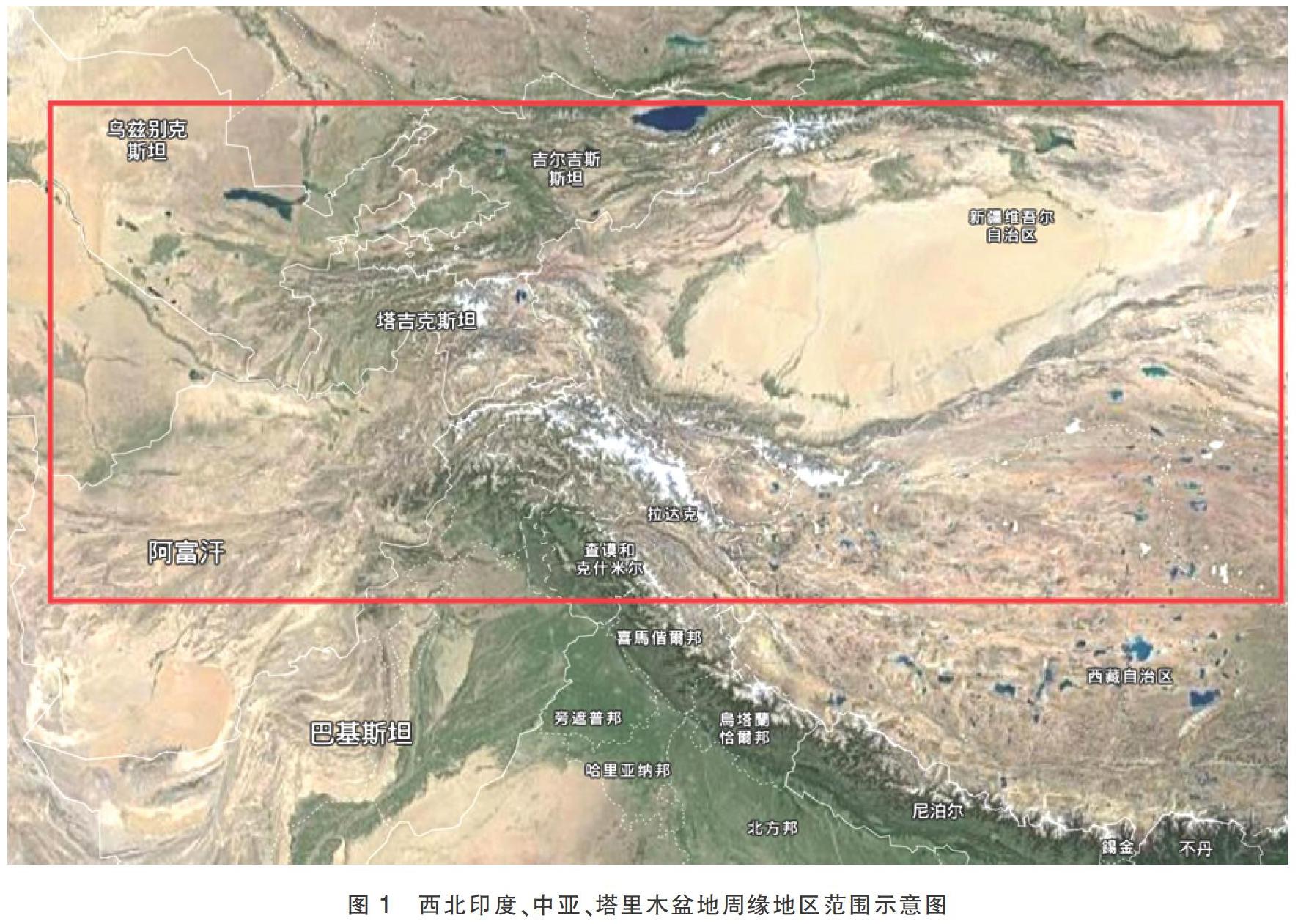
本文所要討论的区域横越了中亚和南亚次大陆北部,大致涉及帕米尔山结的所有区域和今天印度、巴基斯坦、阿富汗、乌兹别克斯坦、吉尔吉斯斯坦以及中国新疆的塔里木盆地周缘地区(图1)。
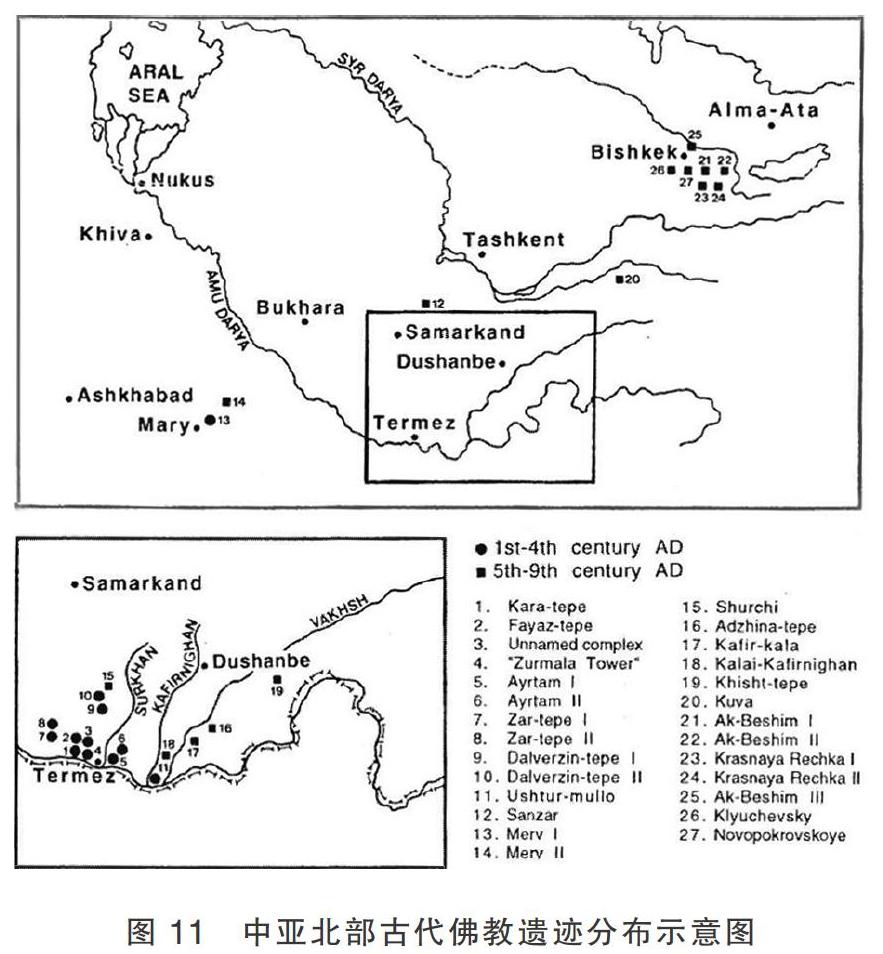
佛教诞生后不久,便在西北印度的白沙瓦(Peshāwar)、斯瓦特(Swāt)、塔克西拉(Taxila)(今巴基斯坦北部)、克什米尔(Kashmir)等所谓“大犍陀罗地区”(Greater Gandhāra)形成中心,并由此向喀布尔(Kabul)地区(今阿富汗东南部)扩展,随后进入中亚的阿姆河、锡尔河之间的“河中地带”(Transoxiana)。而中亚佛教的一支在大约公元3、4世纪翻越帕米尔高原进入塔里木盆地西北缘的喀什绿洲;另一支可能在更早的时期就翻越喀喇昆仑山到达塔里木盆地西南缘的和田绿洲。在此期间,伴随佛教传播的除了佛教教义、经典外,还有佛教绘画、雕塑及建筑艺术,它们沿途不断地吸收当地信众的文化元素,所以即使在中亚地区,佛教艺术——当然包括建筑艺术在内——都呈现出印度及波斯、希腊或所经之处土著民族的艺术特征,而这些佛教艺术的多样性恰好也标示出北传佛教传布所经过的区域和时代的差异。……