基于主成分分析的番茄苗期生长评价指标研究
2021-09-10黄媛李瑜玲高欣娜张燕陈诚武猛李海杰杜亚茹康艺凡杨英茹
黄媛 李瑜玲 高欣娜 张燕 陈诚 武猛 李海杰 杜亚茹 康艺凡 杨英茹
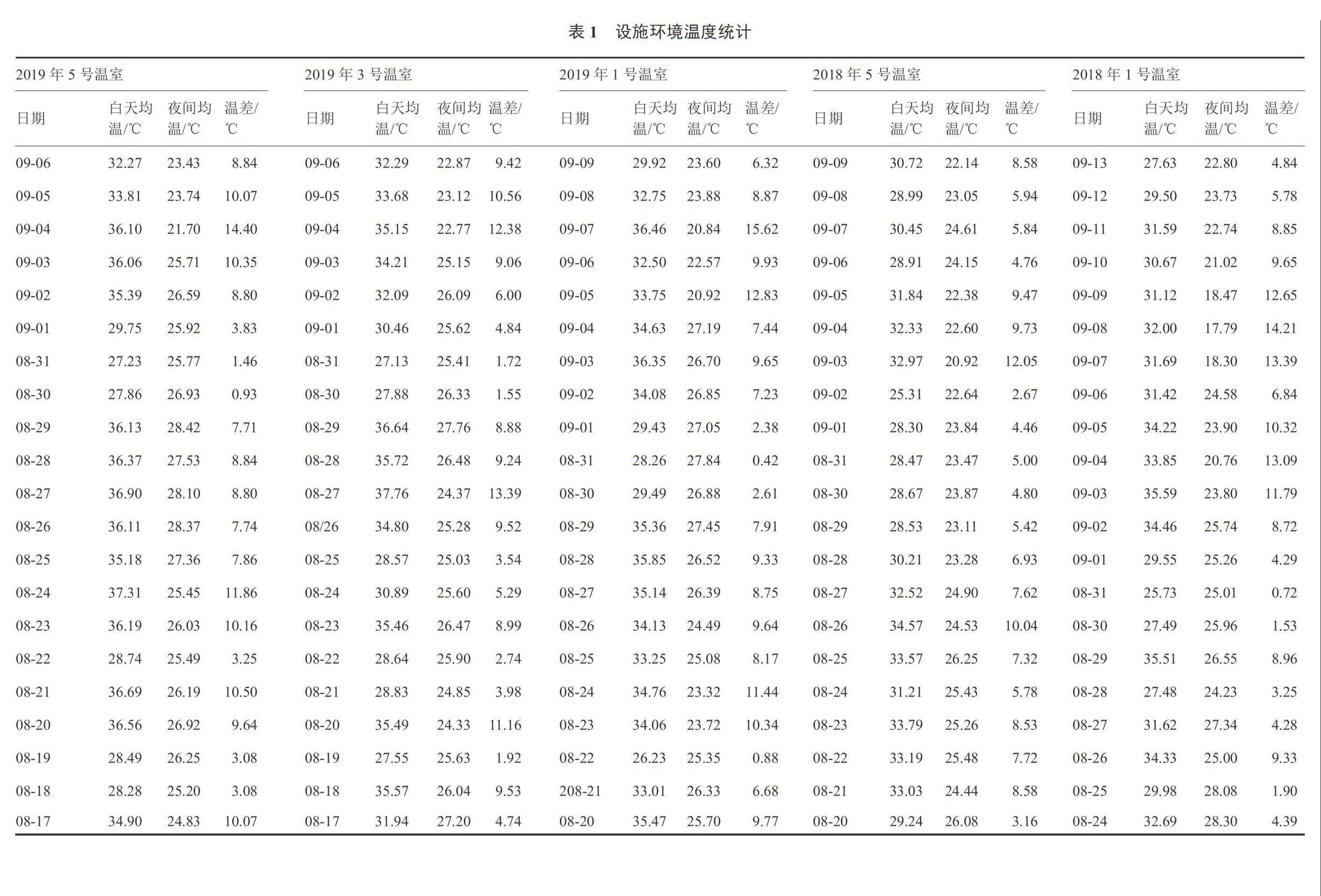
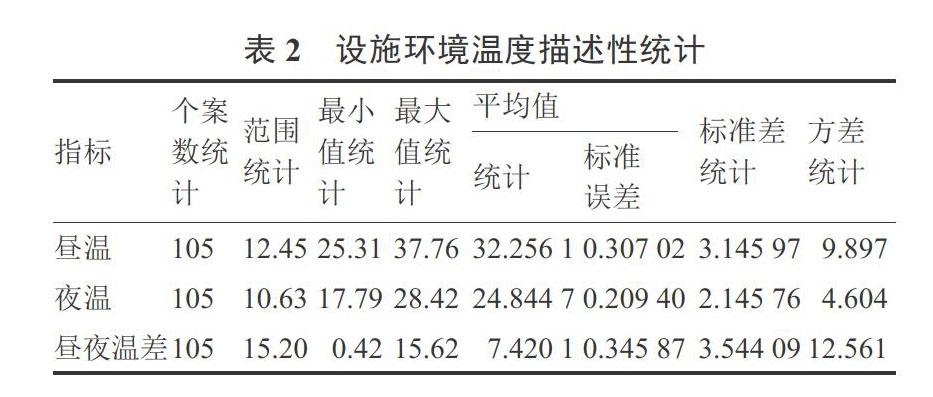
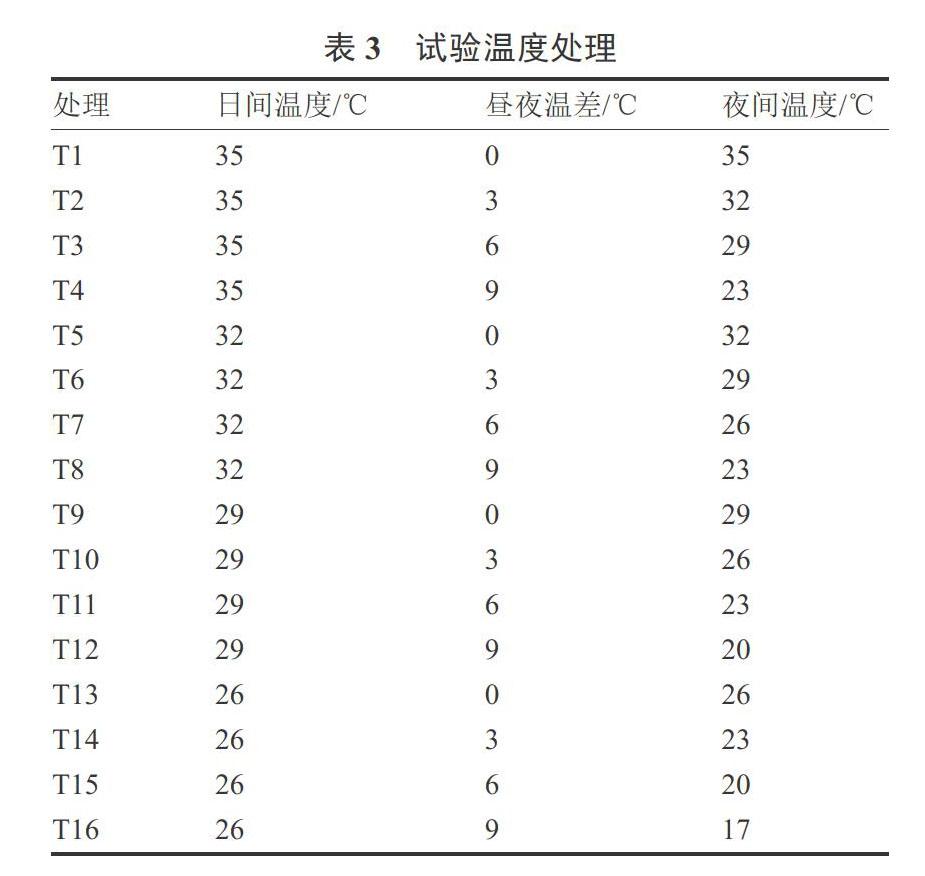
摘 要:為研究河北石家庄秋冬茬设施番茄种植过程中环境温度对番茄苗生长的影响,选用大果型番茄合作906为试验材料,在人工气候室开展苗期番茄不同昼夜温差试验,采集本地种植番茄的设施环境温度进行统计分析,参照实际昼夜温度进行试验设计,昼均温设置26、29、32、35 ℃,昼夜温差设置0、3、6、9 ℃,夜温=昼温-昼夜温差。通过对番茄苗的株高生长速率、茎粗生长速率、根冠比、壮苗指数、光合速率、蒸腾速率、水分利用率、气孔导度、光能利用率等9项指标的测量,并进行了相关性分析和主成分分析,得到3个主成分,其累计贡献率为77.593%,通过3个主成分的特征值加权计算9个性状的主成分因子的综合得分,其中29 ℃/23 ℃为得分最高的昼夜温度组合,即为苗期的最适宜生长温度。
关键词:设施番茄;昼夜温差;相关性分析;主成分分析
中图分类号:S641.2 文献标志码:A 文章编号:1673-2871(2021)08-032-06
Evaluation indexes of tomato seedling growth based on principal component analysis
HUANG Yuan1, Li Yuling1, GAO Xinna1, ZHANG Yan2, CHEN Cheng2, WU Meng1, LI Haijie1, DU Yaru1, KANG Yifan1, YANG Yingru1
(1. Shijiazhuang Agricultural Information Engineering Technology Research Center/Hebei Province City Agriculture Technology Innovation Centers/Shijiazhuang Academy of Agricultural and Forestry Sciences, Shijiazhuang 050041, Hebei, China; 2.Beijing Research Center for Information Technology in Agriculture, Beijing 100000, China)
Abstract: In order to study the effect of ambient temperature on tomato seedling growth during greenhouse tomato planting in autumn and winter in local area, the large-fruit tomato Hezuo 906 was used as the experimental material to carry out different diurnal temperature differences of tomato at seedling stage in an artificial climate chamber. The ambient temperature of greenhouse tomato planted in local area was collected for statistical analysis and the experimental design was carried out with reference to the actual diurnal temperature. The daytime average temperature was set to be 26 ℃, 29 ℃, 32 ℃, 35 ℃, and the diurnal temperature difference was set to be 0 ℃, 3 ℃, 6 ℃, 9 ℃, and the night temperature = day temperature –day temperature difference. Nine indexes of tomato seedlings, such as plant height growth rate, stem diameter growth rate, root to shoot ratio, strong seedling index, photosynthetic rate, transpiration rate, water use efficiency, stomatal conductance and light energy use efficiency, were measured, and correlation analysis and principal component analysis were performed. The results showed that three principal components accounted for 77.593% of the total contribution rate. The comprehensive scores of the principal component factors of nine traits were calculated by weighting the characteristic values of the three principal components. Among them, 29 ℃/23 ℃ was the diurnal temperature combination with the highest score, and it was the most suitable temperature for seedling stage.
Key words: Greenhouse tomato; Diurnal temperature variations, Correlation analysis; Principal component analysis
番茄是我國栽培区域最为广泛的蔬菜之一,同时依靠农业设施实现了番茄的周年化生产[1-3]。北方地区番茄种植分为春、秋两茬,秋茬主要在8月中下旬左右定植,翌年2月拉秧[4]。番茄苗定植后,正值北方盛夏季节,白天气温高,夜间保温性好,因此设施内呈现白天气温高和夜间温差小的特点[5-6]。
番茄苗对空气温度敏感,许多学者开展过番茄苗期温度管控研究,高温对番茄苗的植株形态、营养生长、生理代谢等方面均能产生威胁[6]。赵勇竣等[7]研究表明,38 ℃高温下,多个番茄品种幼苗叶片内抗氧化酶活性表现为先升后降,高温处理5 d为番茄幼苗感受高温胁迫的转折点。……
