新型冠状病毒肺炎患者肺损伤相关的临床及实验室指标研究
2021-08-23朱义红
朱义红
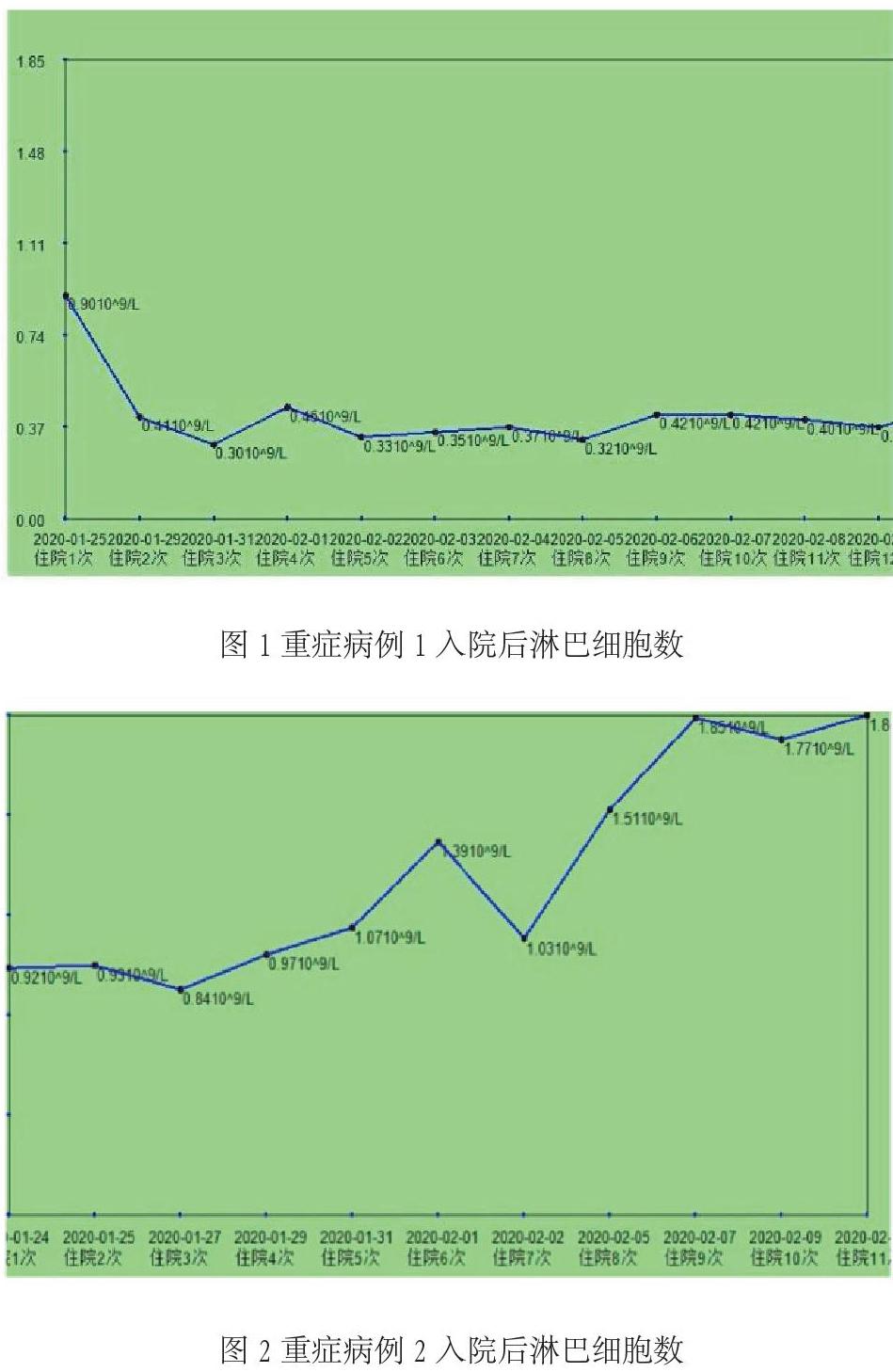
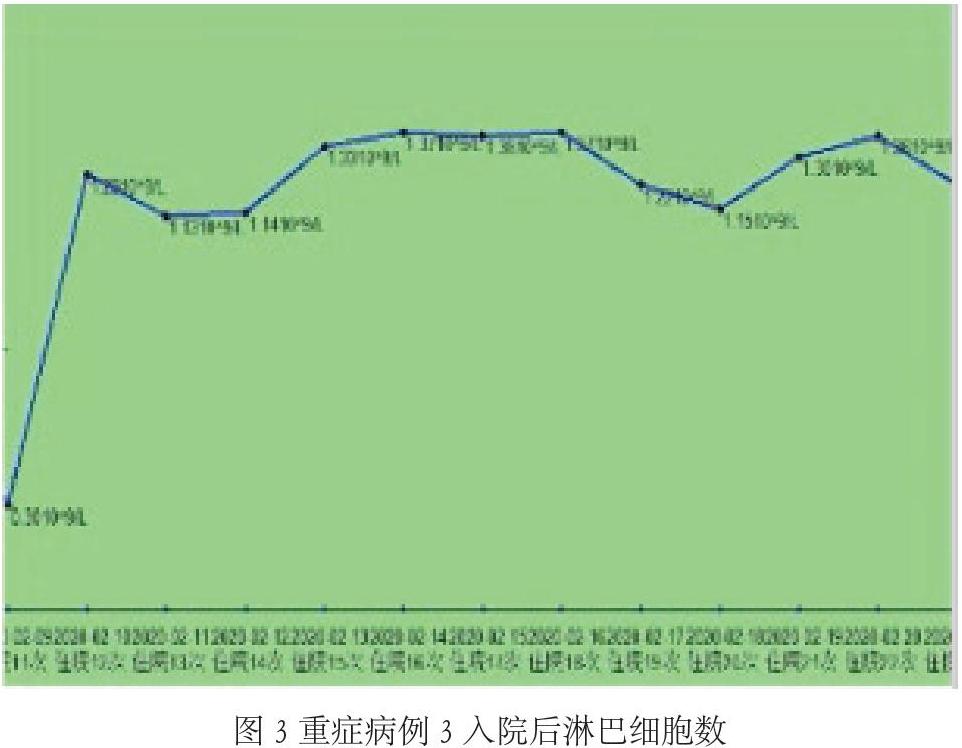

摘要:目的:探讨新冠肺炎(COVID-19)患者实验室检测指标的意义,为临床预测新冠肺炎患者病情演变提供临床依据。方法:选取2020年1月23-2020年2月5日我院收治的COVID-19患者14例,分析临床重要的实验室指标及诊治过程。结果:14例患者均出现发热、咳嗽、乏力等症状,3例重症患者氧合指数及淋巴细胞数进行性下降,肺部影像学检查病变部位广泛、出现呼吸困难、病情危重,11例轻症患者氧合指数及淋巴细胞数下降不明显,病情恢复快;经专家会诊讨论,给予高流量吸氧、抗病毒治疗、联合口服中药,患者氧合指数、淋巴细胞计数回升、肺部影像学检查病变部位缓慢吸收,病情好转。结论:经研究分析,我们发现淋巴细胞数低下的患者病情较重、进展快,间接表明实验室检查中淋巴数低下与患者病情严重程度相关,可为临床预测新冠肺炎患者病情演变提供临床依据。
关键词:新型冠状病毒;肺损伤;实验室指标
[Abstract] Objective: To explore the significance of laboratory test indicators for patients with new coronary pneumonia (COVID-19), and to provide clinical evidence for clinical prediction of the evolution of patients with new coronary pneumonia. Methods: Select 14 COVID-19 patients admitted to our hospital from January 23, 2020 to February 5, 2020, and analyze the clinical laboratory indicators and the diagnosis and treatment process. Results: All 14 patients developed symptoms such as fever, cough, fatigue, and progressive decline in oxygenation index and lymphocyte count. After consultation and discussion with experts, they were given high-flow oxygen inhalation, antiviral therapy, and combined oral Chinese medicine. The lymphocyte count rebounded, his condition improved, and he met the standards and was allowed to be discharged. Conclusion: On the basis of symptomatic treatment, timely high-flow oxygen therapy, cooperating with active fluid management, strengthening expectoration, low-dose hormones, correcting hypoalbuminemia and anemia, and individualized traditional Chinese medicine are the key to successful treatment.
[Key words] Novel coronavirus; Lung injury; Laboratory indicators
【中图分类号】R4 【文献标识码】A 【文章编号】1673-9026(2021)08-133-03
自2019年12月以来,2019-nCoV的新型冠状病毒[1]引起肺炎疫情的威胁了全球的公共卫生安全。自2020年1月23日起,我院收治新冠肺炎病例14例,其中重型3例,普通型11例,本病传染性强,致病性强,有突发危重致死报道,增加了救治难度,且暂无特效药物及疫苗。在本研究中,分析来自我市新冠肺炎患者的流行病学史、临床特征、实验室指标特征,来探讨上述因素与新型冠状病毒肺炎患者肺损伤相关性。为临床预测新冠肺炎患者病情演变提供临床依据,减少轻症向重症转化,提高救治率。……
