山西谷子优质不育系选育及杂交利用研究
2021-03-01麻慧芳史关燕杨成元王宏丽
麻慧芳 史关燕 杨成元 王宏丽

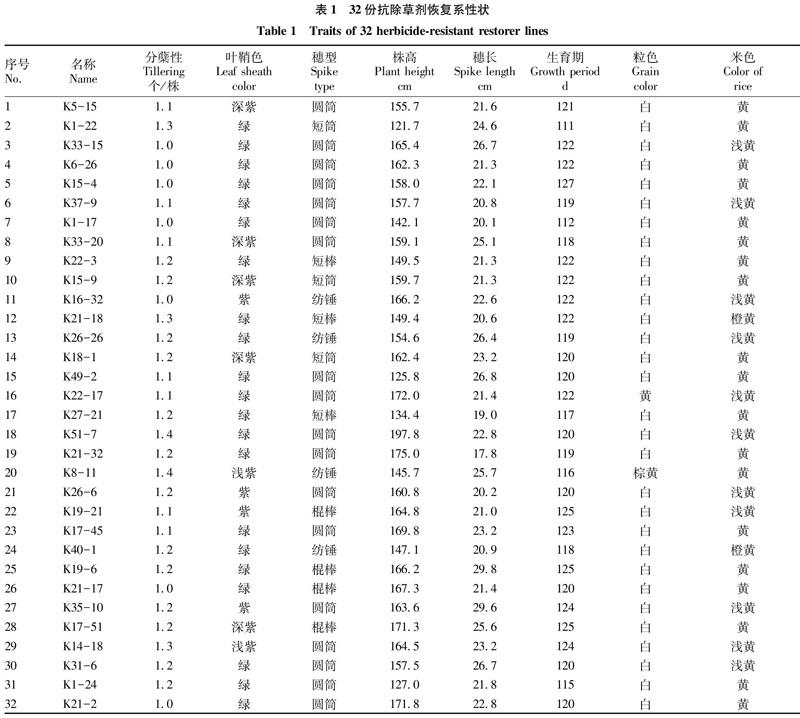
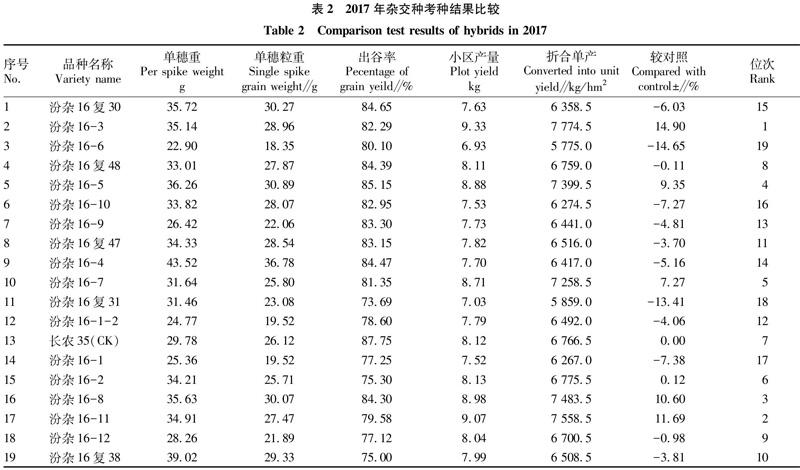
摘要 杂种优势利用研究是大幅度提高谷子产量的重要途径。谷子属自花授粉作物,在杂种优势利用研究中不育系选育是关键。针对现有谷子不育系存在的早熟、高杆、制种困难、杂交种早衰、品质较差等问题,笔者在晋汾1A、晋汾21A等不育材料的基础上,采用杂交转育、诱变等育种方法选育出植株较矮、中晚熟、异交结实率高的优良不育系:晋汾21A-6、汾57A-3、汾92-22A;同时,筛选抗拿捕净除草剂优良恢复系K27-10、K15-4等53个。并利用新优质不育系与优质恢复系大量测配,选育出3个优质杂交种汾杂16-3、汾杂16-8、汾杂16 -11,通过适应性鉴定,可作为山西省中晚熟区种植的优质杂交种应用于生产。
关键词 谷子;不育系;选育;杂种优势
中图分类号 S515 文献标识码 A 文章编号 0517-6611(2021)01-0026-05
doi:10.3969/j.issn.0517-6611.2021.01.007
Abstract Research on the utilization of heterosis is an important way to greatly increase millet yield. Millet is a self-pollinated crop, and the breeding of sterile lines is the key in the study of heterosis utilization.Aiming at the problems of early maturity, high stem, difficulty in seed production, premature aging of hybrids, and poor quality of existing millet sterile lines, the author selected fine sterile lines Jinfen21A-6, Fen57A-3, and Fen92-22A with shorter plant height, middle late maturity and high outcrossing seed setting rate by means of cross breeding and mutation on the basis of sterile materials such as Jinfen 1A and Jinfen 21A. Meanwhile, 53 excellent restorer lines which could resist herbicide of Napujing, such as K27-10,K15-4 and so on were screened.In addition, a large number of high-quality sterile lines and high-quality restorer lines were used to test and match three high-quality hybrids Fenza 16-3, Fenza 16-8, and Fenza 16 -11. Through adaptability identification, they can be used as high-quality hybrids planted in middle and late maturing areas of Shanxi Province.
Key words Millet;Sterile line;Selective breeding;Heterosis utilization
谷子(Setaria italica Beauv)抗旱、耐逆,適宜在西北干旱地区种植[1],是我国北方干旱和半干旱地区的重要农作物之一,杂种优势明显[2]。近年来,由于谷子产量提高不明显、经济效益较低等原因,种植面积逐渐萎缩[3]。提高单位面积产量是谷子生产亟待解决的关键问题。我国拥有丰富的谷子遗传资源[4-5],这为谷子杂种优势研究提供了基础。国内育种家自20世纪中叶开始利用杂种优势对谷子进行育种研究。先后培育出多个高度雄性不育系、光敏核不育系、显性核不育系,实现了两系配套,并获得了一些强优势杂交组合[6-7]。20世纪90年代,张家口市农业科学院成功研究了谷子光温敏不育两系法,推动了谷子杂交生产,开辟了谷子杂种优势利用的新途径[8-10]。……