赣鄱流域书院园林景观空间营造艺术特色
2021-02-18魏绪英王子燕王晓勤
魏绪英 王子燕 王晓勤
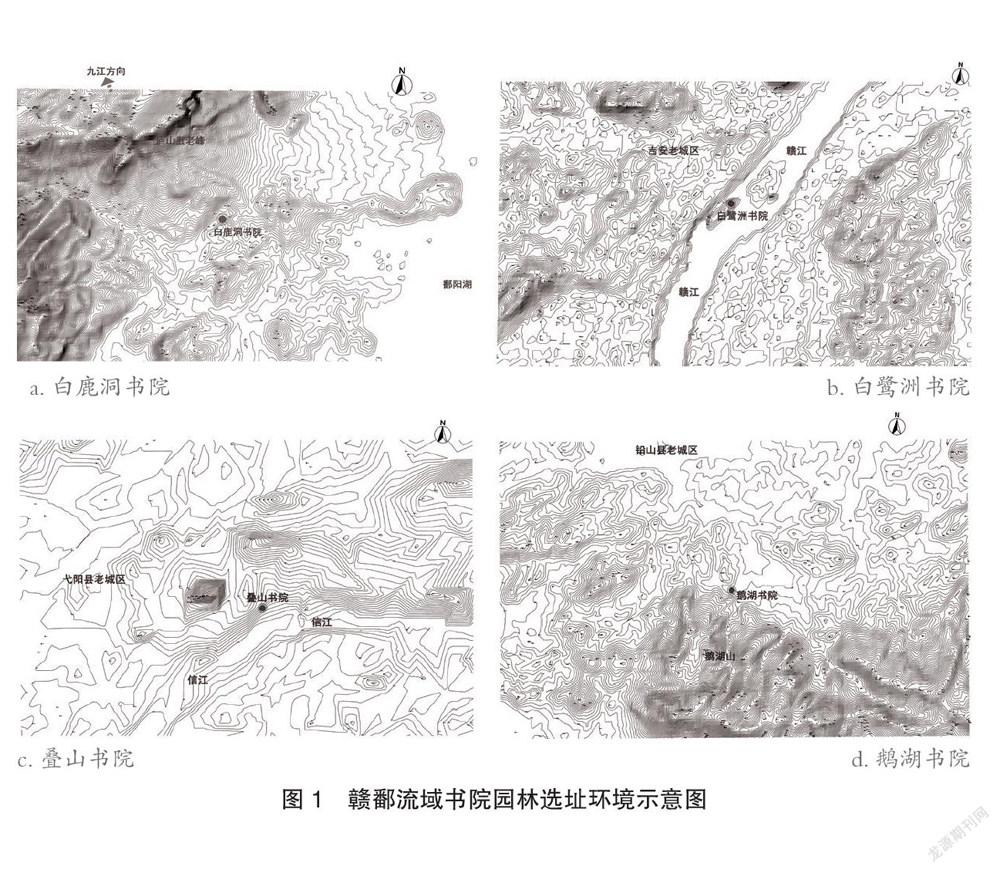
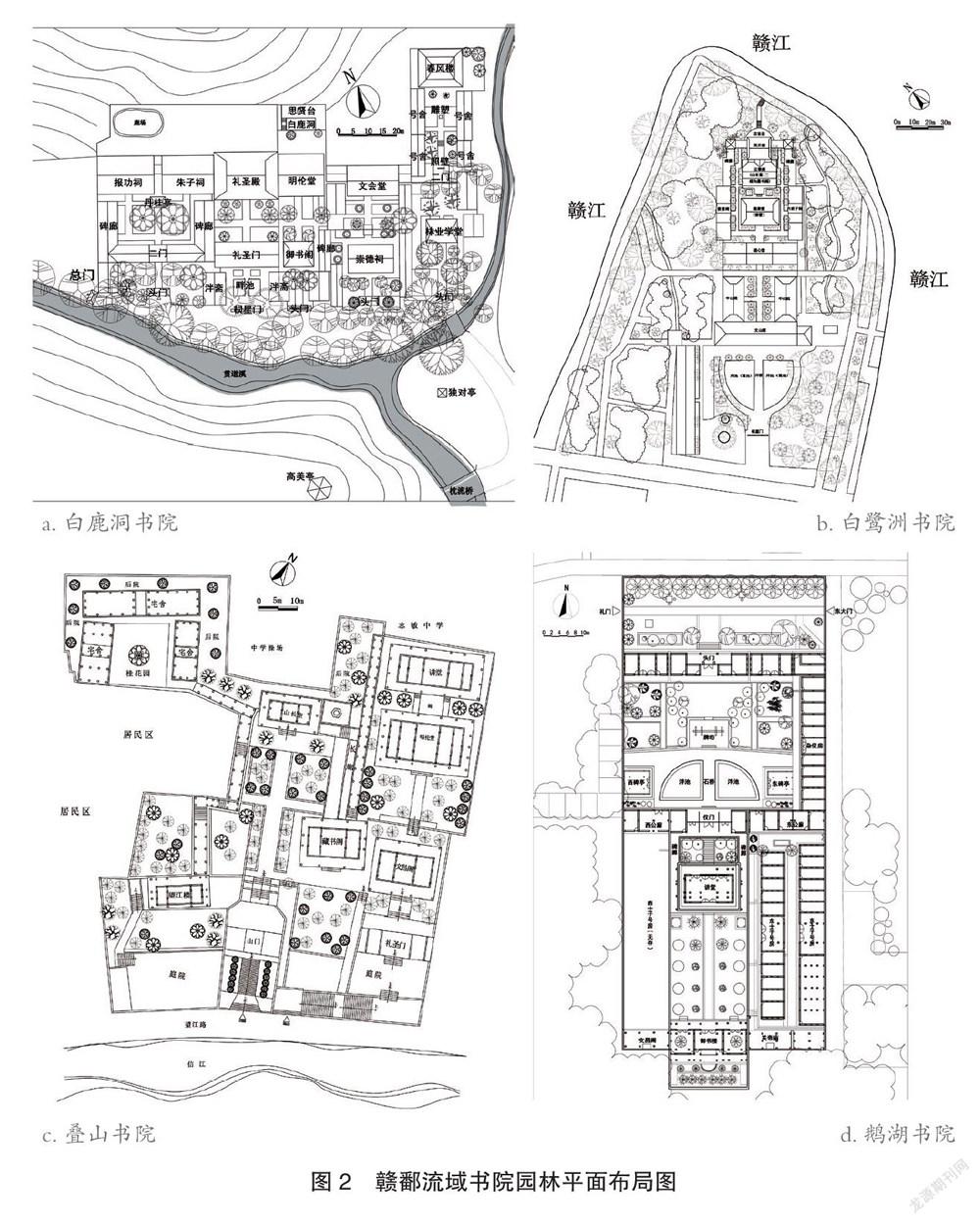
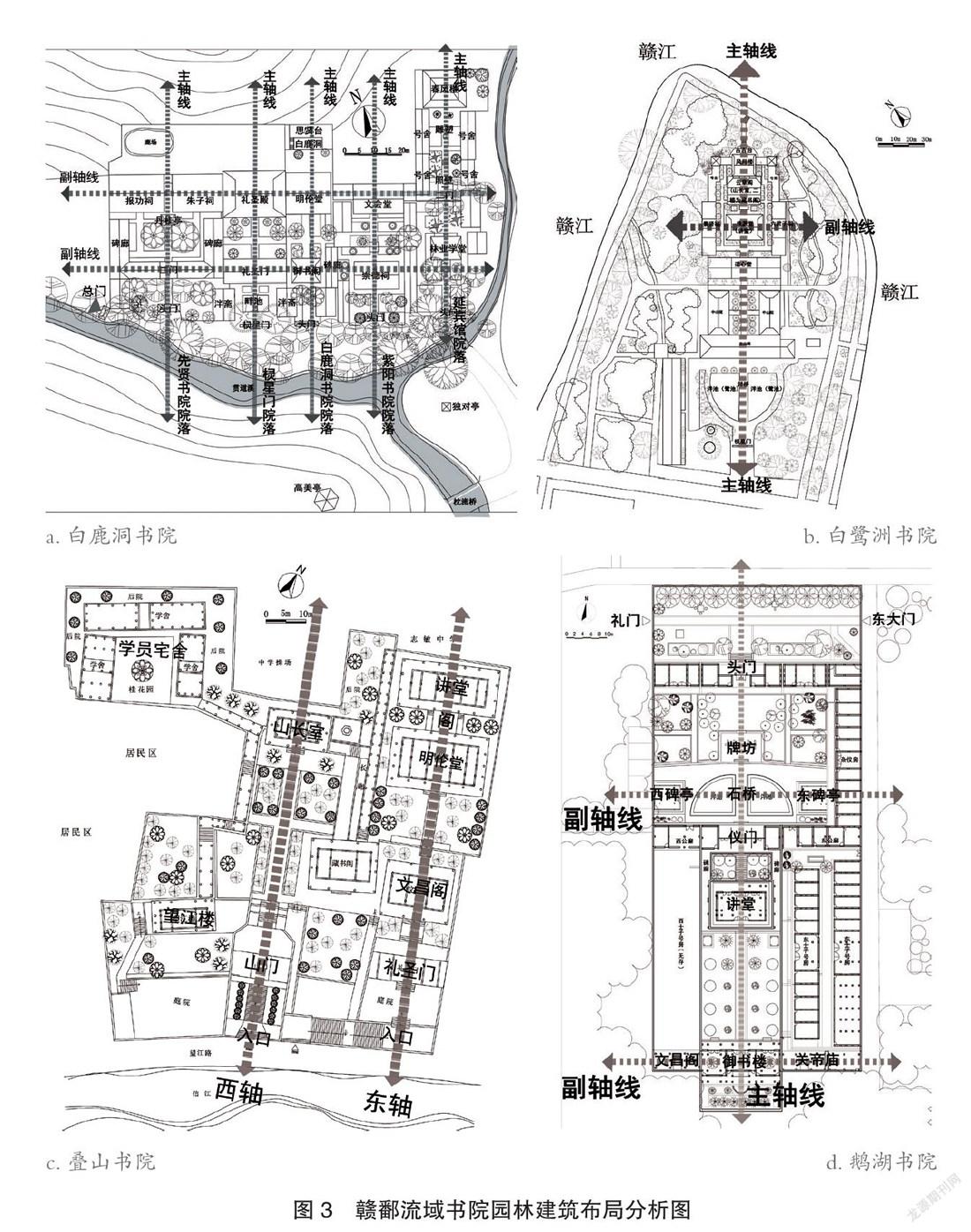
摘要:以赣鄱流域4处典型的书院园林为例,明确了书院园林景观具有自然环境景观、人工环境景观与文化环境景观3种类型,分析了其环境景观空间营造的艺术特色,并得出以下结论:1)特别注重周边自然环境景观的选择,具有法天象地之道、形胜的风水环境观与多沿赣鄱流域主要水系及其支流而设等特点;2)通过不同园林要素的空间布局、建筑院落的巧妙处理,形成具有规整的轴线、明确的功能分区与“礼乐教化”氛围的人工建筑环境空间,以此渲染书院园林的环境氛围;3)点缀楹联石刻等文化环境景观,突显书院“积极入世”的儒家思想。
关键词:赣鄱流域;书院园林;景观空间;相地;教化
中图分类号:TU986
文献标志码:A
文章编号:1671-2641(2021)06-0041-05
收稿日期:2021-02-28
修回日期:2021-06-19
Abstract: The four typical academy gardens in the Ganpo Basin are taken as examples, clearing about the academy garden landscape with natural landscape, artificial landscape and cultural landscape, analyzing their artistic features of environment landscape space, and drawing the following conclusions. Firstly, the academy gardens in the Ganpo Basin put special emphasis on the selection of surrounding natural environment landscape. The site selection has the characteristics of the way of follow astronomical phenomena field, favorable situation with geomancy environment view, and distribution along the main stream and its tributaries in the Ganpo Basin. Secondly, through the spatial layout of different garden elements and the clever treatment of architectural courtyards, the artificial architectural environment space with regular axes, clear functional zoning and “moralization” atmosphere is formed to render the environment atmosphere of academy gardens. Thirdly, the academy gardens highlight the Confucian thought of "actively entering society" by embellishing cultural environment landscapes such as couplets and stone carvings.
Key words: The Ganpo Basin; Academy Garden; Landscape space; Site Investigation ; Moralization
贛鄱流域自古民间盛行“不学为辱”“不文为咎”“学而优则仕”与“万般皆下品,唯有读书高”等社会风尚,尤其是宋代、明代时期所建书院数量排全国之首[1],使赣鄱流域成为当时的文化中心。由于该流域具有天然庞大的赣鄱水系、优越的地理区位与发达的交通条件,文人学士们在此大量营建书院,并传播赣鄱流域传统文化。久而久之,当地书院环境的经营逐渐受到重视,进而产生了赣鄱流域的书院园林。
我国对书院的研究集中在书院文化、教育、形制、历史演变等方面,而对书院园林环境景观方面的研究起步较晚(2005年之后),主要包括园林建筑及其空间布局[2~5]、地域性书院园林[6~10]、景观空间与文化内涵[11~13]、园林艺术[14~19]、环境景观[20~22]、造园意匠[22~24]等方面。……