理性选择理论及其在信息系统研究中的应用与展望
2020-06-01赵思栋岳泉雷晶
赵思栋 岳泉 雷晶
摘 要:[目的/意义]为了帮助学界了解理性选择理论在信息系统领域的应用及发展,并为后续对该理论的研究与应用提供指导。[方法/过程]本文通过对国内外基于理性选择理论的研究文献进行梳理和述评,总结了现阶段研究的侧重点,并针对应用文献中存在的问题以及未来值得关注的研究方向进行了探讨。[结果/结论]研究发现:理性选择理论在信息系统领域的应用研究主要集中在RCT在信息技术/信息系统采纳研究中的应用、RCT在组织内部信息系统安全管理研究的应用、RCT在信息/知识共享行為研究的应用这3个方面;研究存在“对行动者的个体差异研究不够全面”“缺少对选择行为产生的结果进行效用的度量与评估”等不足之处;用户选择意向及行为随时间推移而发生的动态变化、行动者的预期风险收益评估与实际选择行为发生后产生的事实结果的差异比较及其对后续选择行为的影响等是未来重要的研究方向。
关键词:理性选择理论;信息系统;选择行为
Abstract:[Purpose/Significance]The purpose of this paper was to help scholars understand the application and development of rational choice theory in the field of information system,provided guidance for further research and application of the theory.[Method/Process]This study conducted a detailed literature review of researches based on rational choice theory,summarized the research focus of current stage,existing problems and future research directions worthy of attention.[Result/Conclusion]It is found that the researches mainly focused on three aspects:The application of RCT in information technology/information system adoption research,the application of RCT in information system security management research within organizations,and the application of RCT in information/knowledge sharing behavior research.There were some problems in existing researches,such as“few literatures analyzed individual differences among actors”,“lack of utility measurement and evaluation of the consequences of selection”and so on.Dynamic changes in user choice intentions and behavior over time,the differences between the actors expected risk-benefit assessments and factual results after actual selection and their impact on subsequent choices etc.were the directions worthy of attention in the future study.
Key words:rational choice theory;information system;choice behavior
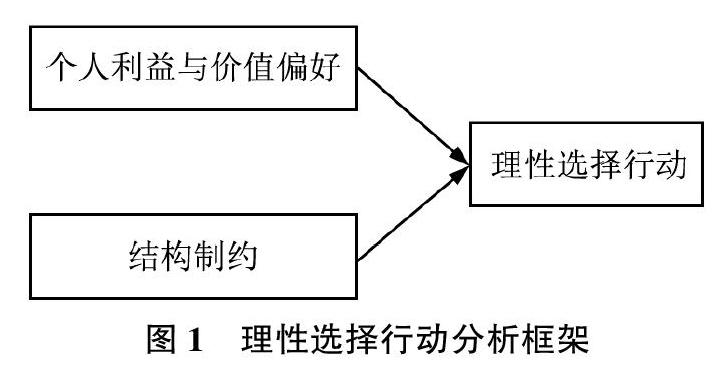
1990年,美国社会科学家科尔曼(Coleman J S)在《社会理论的基础》一书中正式提出理性选择理论(Rational Choice Theory,简称“RCT”)[1]。RCT的核心思想是个体行动者在面临选择时会理性的考虑自己的价值偏好和结构的制约,最终选择效用最大化的行动方案。
RCT强调用系统的不同组成部分(如个体、群体、组织)的行为来解释系统的行为,这种方法可以被用来解释不同层面的社会选择,所以,该理论自提出以来就被学者们广泛应用于经济学、社会学、犯罪学、信息科学等领域。……