基于模板价值评估的生物特征自更新方法
2020-05-21陈曦于明
陈曦 于明
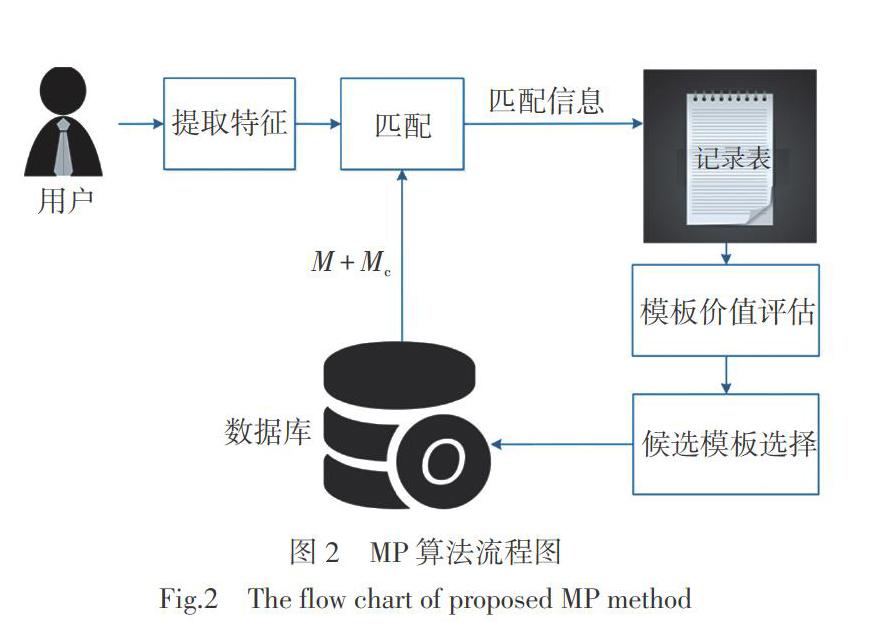
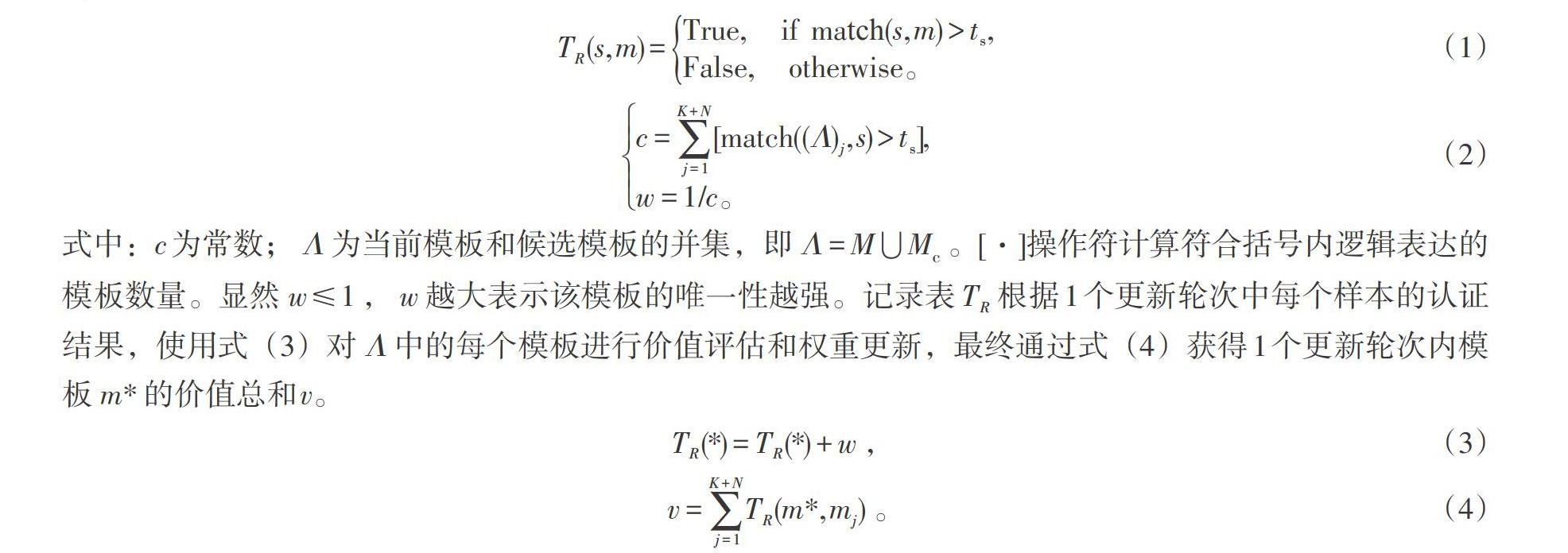
摘要 为了控制生物识别系统中模板数量和降低错误拒绝率,可以通过特征自更新的方式应对类内变化从而保持系统模板集合的有效性。本文提出基于模板价值评估的通用型生物模板自更新选择方法和其加速版。该方法首先定义用于评估模板价值的“可表达性”和“唯一性”概念,通过匹配过程产生的信息评估和计算样本的价值权重,然后利用记录表保存并更新模板的价值得分,在1个更新轮次结束后,根据每个模板的价值得分生成新模板集合并去除离群点。加速版本的方法在相同的处理框架下可以满足系统实时性的要求。在不同生物特征数据库中进行的实验结果表明,提出的方法可以显著改善生物识别系统的错误拒绝率和等错误率指标。
关 键 词 生物识别;模板自更新;价值评估;类内变化;模板选择
中图分类号 TP301 文献标志码 A
Self-update method of biometrics based on template
usefulness assessment
CHEN Xi, YU Ming
(School of Electronics and Information Engineering, Hebei University of Technology, Tianjin 300401, China)
Abstract Automated template self-update is a reliable method to reduce the number of templates and decrease the false rejection rate (FRR) in a biometric system to account for intra-class variations in biometric data. This paper proposed an effective biometric template update method and an accelerated version based on templates usefulness assessment. The proposed method first defined the representativity and uniqueness in assessing the template value, then stored and updated the value weights during identification procedure by the record table. Finally, the method selected new template set and removal outliers by this table after an update round. The accelerated version adopted the same framework that satisfied the real-time requirement. Several experiments on datasets from different biometric traits show that the proposed approaches can improve the performance of biometric systems according to the indicators as FRR and equal error rate (EER).
Key words biometrics; templates self-update; usefulness assessment; intra-class variations; template selection
0 引言
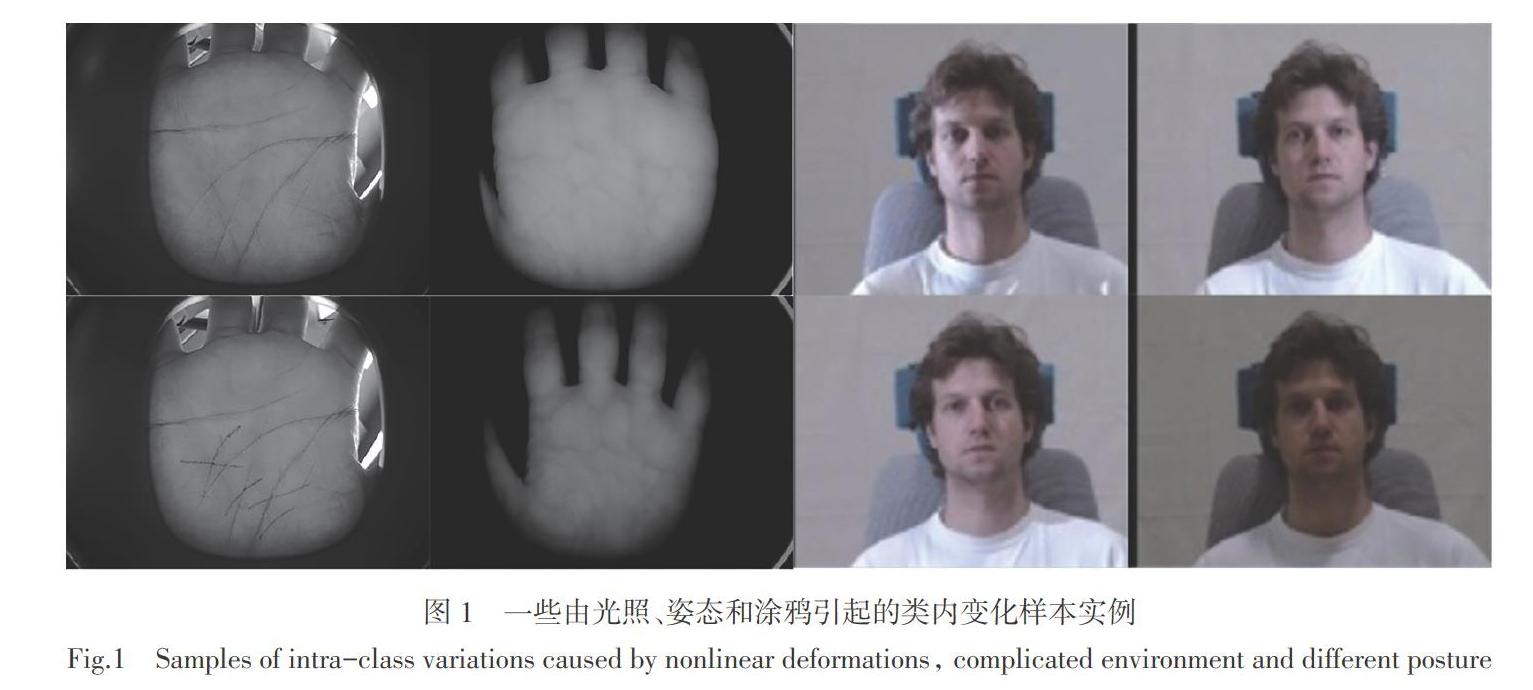
與传统的认证方式相比,生物特征具有不易伪造、不会丢失等优点。访问控制和法医学验证是生物识别技术最初的应用场景[1-2]。近年来由于硬件和识别算法的快速发展,安全、便利的生物识别系统已广泛用于楼宇、海关、银行和监狱等高安全需求的场所。然而生物特征在不同的样本间往往存在着差异,同一主体不同样本之间的差异称为类内变化。特征类内变化可以分为模板老化和短期变化两大类。模板老化是一种与时间相关的永久性变化,主要由人体生理变化和传感器老化或退化造成[3]。……