基于PBL理论的项目导师制实践探索
2019-10-21吴慧郁康杰张辉
吴慧 郁康杰 张辉

摘 要:为响应2018年全国教育大会精神,浙江财经大学公共管理学院在本科生培养过程中推行了以PBL理论为基础的“项目导师制”。文章从PBL理论入手,通过问卷调查法剖析了“综合导师制”的实施困境,介绍了“项目导师制”的基本内涵、开展情况及实践途径。实践结果表明,“项目导师制”有助于调动师生双方积极性与主动性,提升本科教育质量。
关键词:本科生;综合导师制弊端;PBL理论;项目导师制
中图分类号:G640 文献标志码:A 文章编号:2096-000X(2019)17-0001-05
Abstract: In response to the spirit of the 2018 National Education Conference, the School of Public Administration of Zhejiang University of Finance and Economics promoted the "Project Mentoring System" based on the PBL theory in the process of undergraduate training. Starting from the PBL theory, the article analyzes the implementation dilemma of the "integrated tutor system" through the questionnaire survey method, and introduces the basic connotation, development situation and practical approach of the "project tutor system". The results of practice show that the "project tutor system" helps to mobilize the enthusiasm and initiative of both teachers and students and improve the quality of undergraduate education.
Keywords: undergraduate; the disadvantages of the comprehensive tutorial system; Project-Based Learning theory; project tutorial system
一、概述
2018年9月,习近平总书记在全国教育大会上明确指出,“要深化教育体制改革,推进产学研协同创新,积极投身实施创新驱动发展战略,着重培养创新型、复合型、应用型人才。”本科教育是夯实学生理论基础,提高实践能力、创新能力、科学思维能力的重要环节[1]。本科生综合导师制是目前众多高校采取的一种针对学生特点,个性化培养,因材施教的机制,是在本科生入学后,在师生双向选择的前提下,由专业造诣深厚、师德修养较高的老师担任导师,注重学生学业、三观、综合素质的培养的形式[2]。但该模式在实际实施过程中也出现了不少问题,如综合导师负担过重、学生主动性弱等。
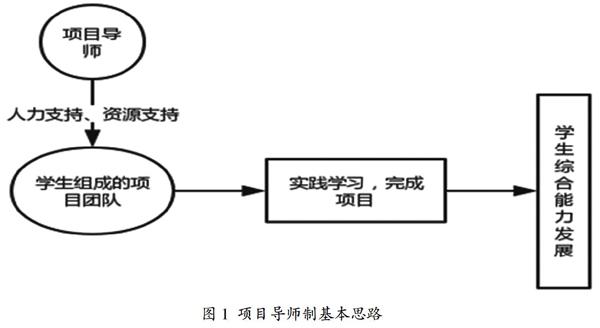
在此背景下,浙江财经大学公共管理学院基于PBL理论及自身“综合导师制”的实践成果,在本科生培养过程中采用了“项目导师制”,以期探索本科人才培养新模式,培养更多的新型实用人才。笔者作为浙江财经大学公共管理学院一名大三学生,将从学生角度介绍这一创新性的人才培养制度。……