敦煌石窟中牢度叉斗圣变消失与再现原因再探
2016-07-21顾淑彦
顾淑彦
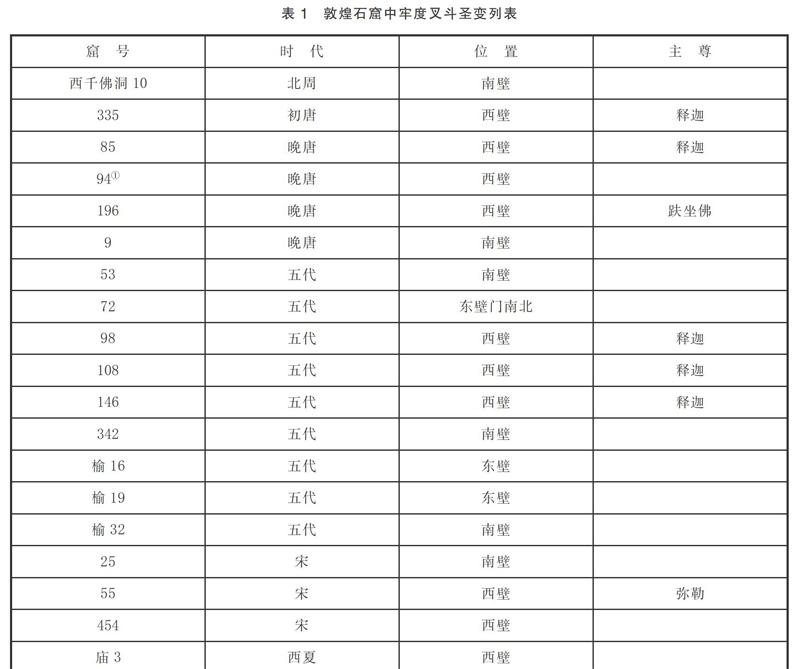
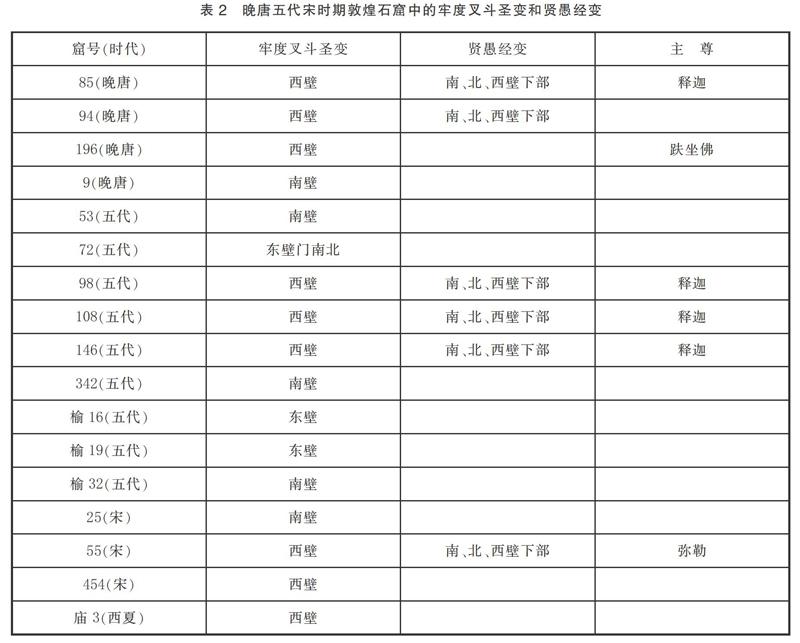
内容摘要:牢度叉斗圣变是敦煌石窟中最引人注目的经变画之一,它首次出现是在西千佛洞的北周第10窟,之后出现于莫高窟的初唐第335窟,但是盛唐和中唐时期,此题材销声匿迹,后又于莫高窟的晚唐第85窟重新出现。学界对它的消失和再现这一现象的说法颇多。文章运用文献资料、史实和莫高窟现存的图像资料,对这一问题重新进行了考证,认为从盛唐到中唐时期,牢度叉斗圣变的再现不是因为反吐蕃统治的关系,不是因为灭佛的关系,不是因为《降魔变文》的关系,也不是因为洞窟大小的关系,而是因为晚唐五代宋时期说话、变文等俗文学的流行,充满离奇故事的《贤愚经》再次被关注和流行起来,也包括从《贤愚经》发展而来的牢度叉斗圣变;而盛唐至中唐此题材的消失是因为大乘佛教的流行而宣扬小乘佛教的《贤愚经》的不再受欢迎和流行,所以整个盛唐和中唐时期,和《贤愚经》相关的题材壁画包括牢度叉斗圣变也没有出现。
关键词:敦煌石窟;牢度叉斗圣变;贤愚经变;第85窟
中图分类号:K879.41 文献标识码:A 文章编号:1000-4106(2016)03-0052-07
Abstract: The illustration of the contest between riputra and Raudraksa is one of the most eye-catching sutra illustrations in the Dunhuang caves. It first appeared in the tenth Northern Zhou cave at the Western Thousand-Buddha Grottoes, and again in early Tang cave number 335 at the Mogao grottoes. The painting completely disappeared in the High and Middle Tang periods, however, before again appearing in Later Tang cave 85 at Mogao. Many different opinions on this phenomenon have been posed by scholars. By consulting historical documents, historical facts, and the available visual materials of the Mogao Grottoes, this paper restudies this problem and comes to the conclusion that the disappearance of this theme was not, in fact, caused by many previously proposed causes, including: rebellion against Tibetan occupation, the abolishment of Buddhism as a national religion, the text of “Defeating Mara,”and the size of the caves. This illustration reappeared in the Later Tang, Five Dynasties, and the Song dynasty due to the popularity of folk literature such as story-telling texts, which advanced the popularity of stories in the Dama-murkha-sutra(Sutra of the Wise and the Foolish)that included the contest between āriputra and Raudraksa. In the High Tang and Middle Tang periods, Mahayana Buddhism ascended to prominence and the Dama-murkha-sutra, which originates in Hinayana Buddhism, fell out of favor, resulting in the disappearance of many themes originating from Hinayana sutras, including the illustration in question.
Keywords: Dunhuang caves; contest between āriputra and Raudraksa; Dama-murkha-sutra; Cave 85
(Translated by WANG Pingxian)
牢度叉斗圣变又被称为《祇园记图》,是敦煌石窟中最引人注目的经变画之一,一般出现在洞窟西壁(也有例外,如莫高窟晚唐第9窟出现在洞窟的南壁),主要讲述了舍卫国大臣须达为请释迦亲临说法,出重金购太子祇陀园地起精舍,以做道场。六师外道闻讯,约定与佛弟子舍利弗斗法。劳度叉变化为树、七宝池、山、龙、牛、夜叉鬼,而舍利弗却化作旋风、六牙白象、金刚力士、金翅鸟王、狮子、毗沙门天王。……