益气活血方治疗稳定型心绞痛PCI术后气虚血瘀证疗效及IL-17、hs-CRP相关变化研究
2021-10-30高鲁高建红王建飞何昕徽代林莉李易
高鲁 高建红 王建飞 何昕徽 代林莉 李易
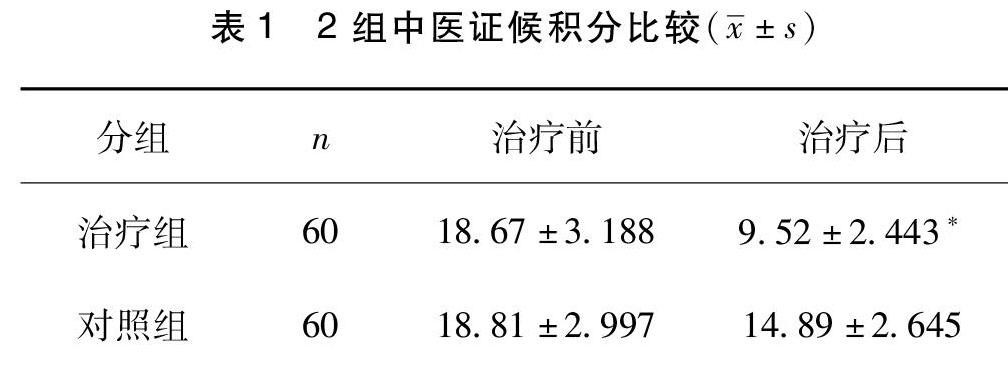
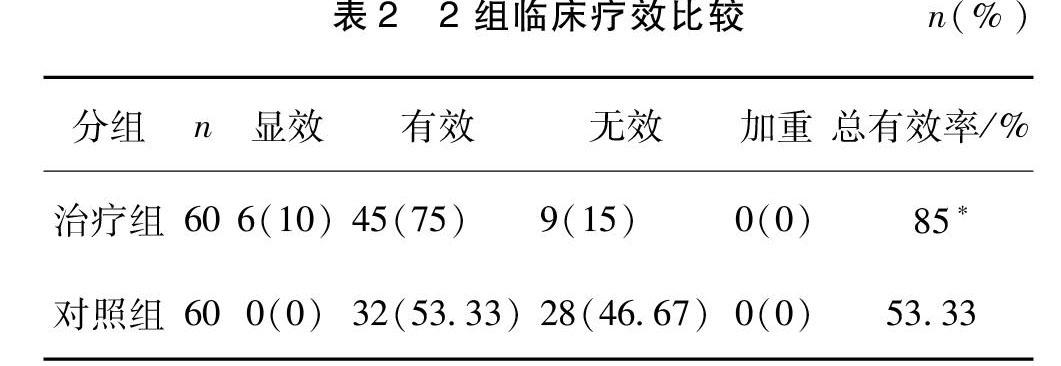
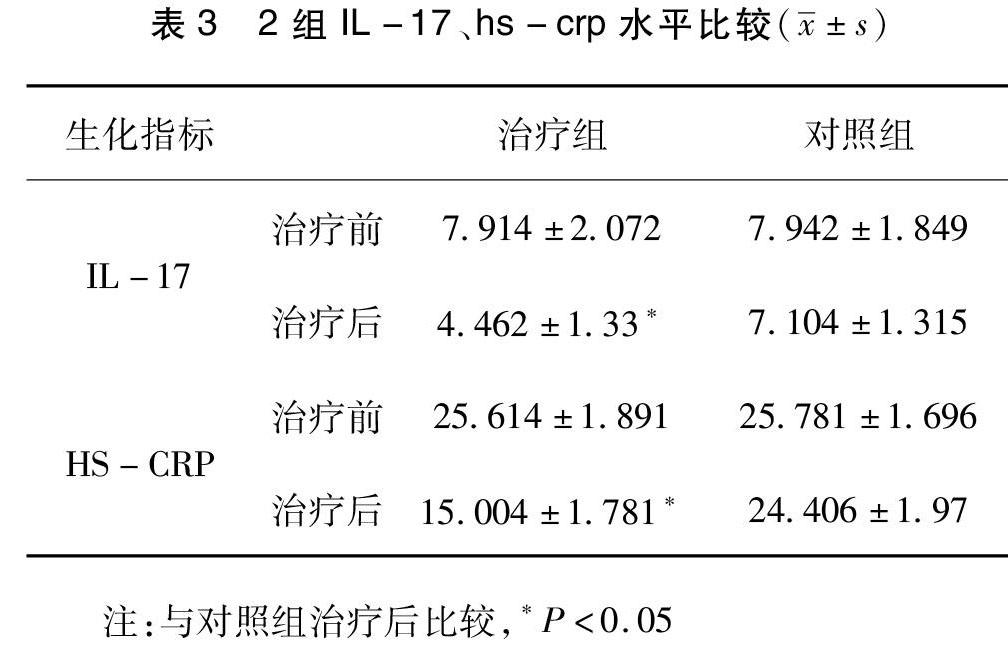
摘要:目的 研究益气活血养心方治疗冠心病PCI术后气虚血瘀证的疗效及IL-17、hs-CRP的水平变化。方法 选取120例因稳定型心绞痛而经皮冠状动脉介入治疗并至少植入1枚支架患者,分为治疗组与对照组,分析比较2组治疗后的疗效情况。结果 治疗组总有效率为88.33%,对照组总有效率为58.33%,差异具有统计学意义(P<0.05);治疗后中医证候积分改善明显优于对照组(P<0.05);治疗组IL-17(4.462±1.33),对照组(7.104±1.315)。治疗组hs-CRP(15.004±1.781),对照组(24.406±1.97),2组比较,差异具有统计学意义(P<0.05)。结论 益气活血方治疗稳定型心绞痛PCI术后气虚血瘀证时可调节患者IL-17及hs-CRP的表达水平,还可一定程度上改善症状,减少炎症反应的发生。
关键词:稳定型心绞痛;PCI术后;气虚血瘀证;IL-17;hs-CRP
中图分类号:R541.4 文献标志码:B 文章编号:1007-2349(2021)10-0019-05
【Abstract】Objective: To study the effect of Yiqi Huoxue Yangxin Recipe in the treatment of coronary heart disease patients with qi deficiency and blood stasis syndrome after PCI and the changes of IL-17 and hs-CRP levels. Methods: 120 patients with stable angina pectoris undergoing percutaneous coronary intervention and at least one stent implanted were divided into treatment group and control group, and the curative effects of the two groups after treatment were analyzed and compared. Results: The total effective rate of the treatment group was 88.33% and the total effective rate of the control group was 58.33%. The difference was statistically significant (P<0.05). The improvement of TCM syndrome scores of the treatment group after treatment was significantly better than that of the control group (P<0.05). The IL-17 of the treatment group was (4.462±1.33) and that of the control group was (7.104±1.315). The Hs-CRP in the treatment group was (15.004±1.781) and that of the control group was (24.406±1.97). The difference between the two groups was statistically significant (P<0.05). Conclusion: Yiqi Huoxue Recipe can regulate the expression of IL-17 and hs-CRP of the stable angina pectoris patients with qi deficiency and blood stasis syndrome after PCI and can also improve their symptoms to a certain extent and reduce the occurrence of inflammation reaction.
【Key words】Stable Angina Pectoris; after PCI; Qi Deficiency and Blood Stasis Syndrome; IL-17; hs-CRP
冠心病(Coronary heart disease,CHD)是指冠状动脉发生粥样硬化或功能性痉挛,导致管腔狭窄或闭塞,继而出现心肌缺血、缺氧或坏死而引起的疾病[1]。而稳定型心绞痛是冠心病最常见的类型,多由劳累、情绪波动等因素诱发,临床常见胸部闷痛或刺痛,一般持续3-5min,休息或含服硝酸甘油后可缓解[1]。因我国冠心病患病率、死亡率逐年处于增长的状态,所以稳定型心绞痛因基数增长也随之增长,对我国人民群众身体健康带来了严重的危害[3]。但是随着诊疗技术的不断发展,经皮冠状动脉介入治疗(percutaneouscoro-naryintervention,PCI)技术也在不断的进步,PCI已然成为治疗冠心病的重要手段之一[3]。随着PCI的数量的不断增多,对稳定型心绞痛实施PCI的依据也为之增多,主要为改善其预后及不适症状[5]。在祖国医学当中,根据冠心病诊断可将其归类为“胸痹心痛病”、“真心痛”、“心悸”等,而患者在PCI一周后,气虚血瘀证是其关键病机,且气虚血瘀证居多[5],故本次研究以稳定型心绞痛PCI术后气虚血瘀证入手。近年来大量临床资料表明,炎症因子的水平与冠状动脉粥样硬化有一定相关性,在冠状动脉粥样硬化形成中扮演着重要的角色。……