悉尼大学与清华大学研究生学术素养课程体系建设探析
2021-09-12蔡勇强李露
蔡勇强 李露
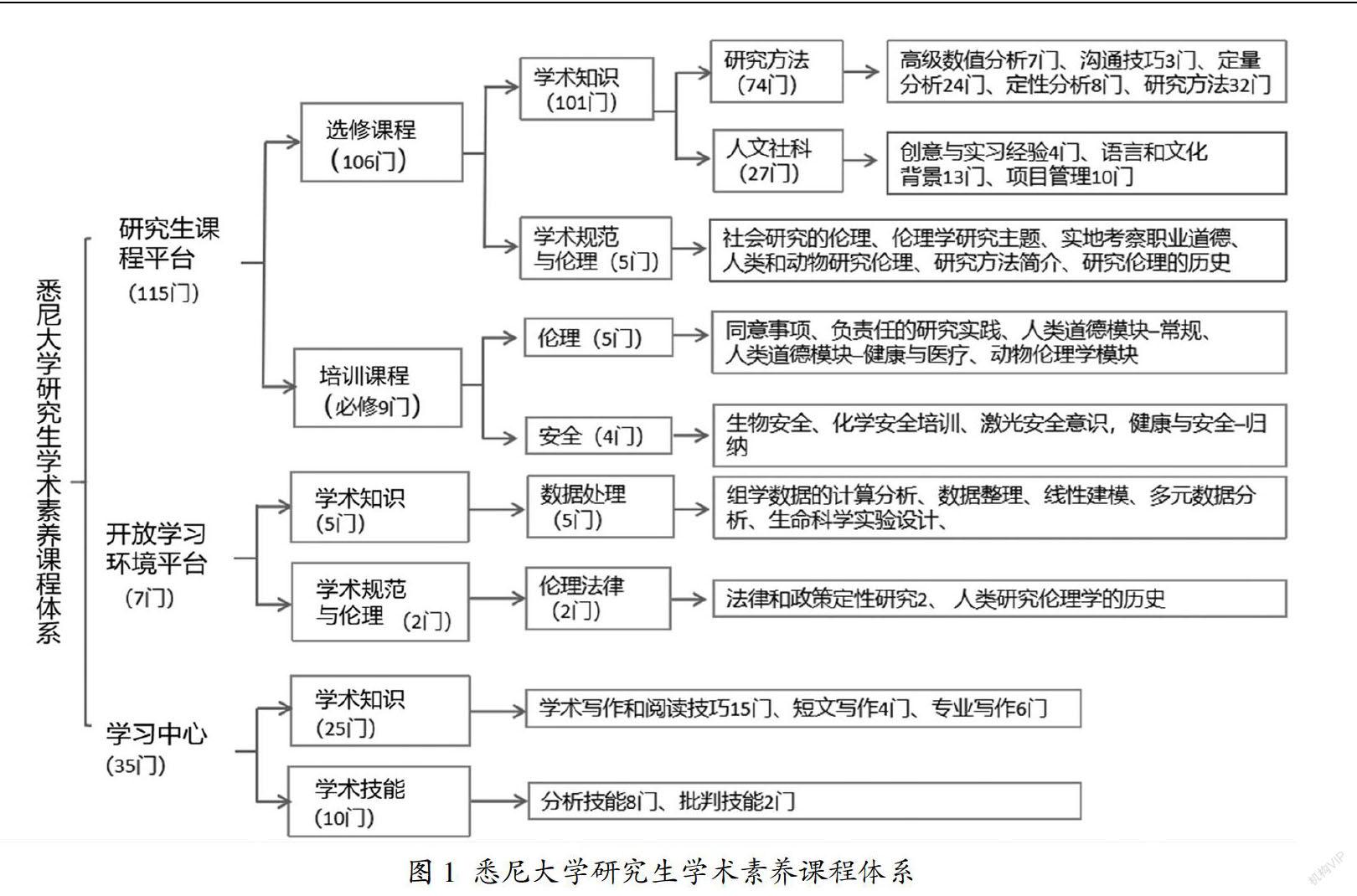
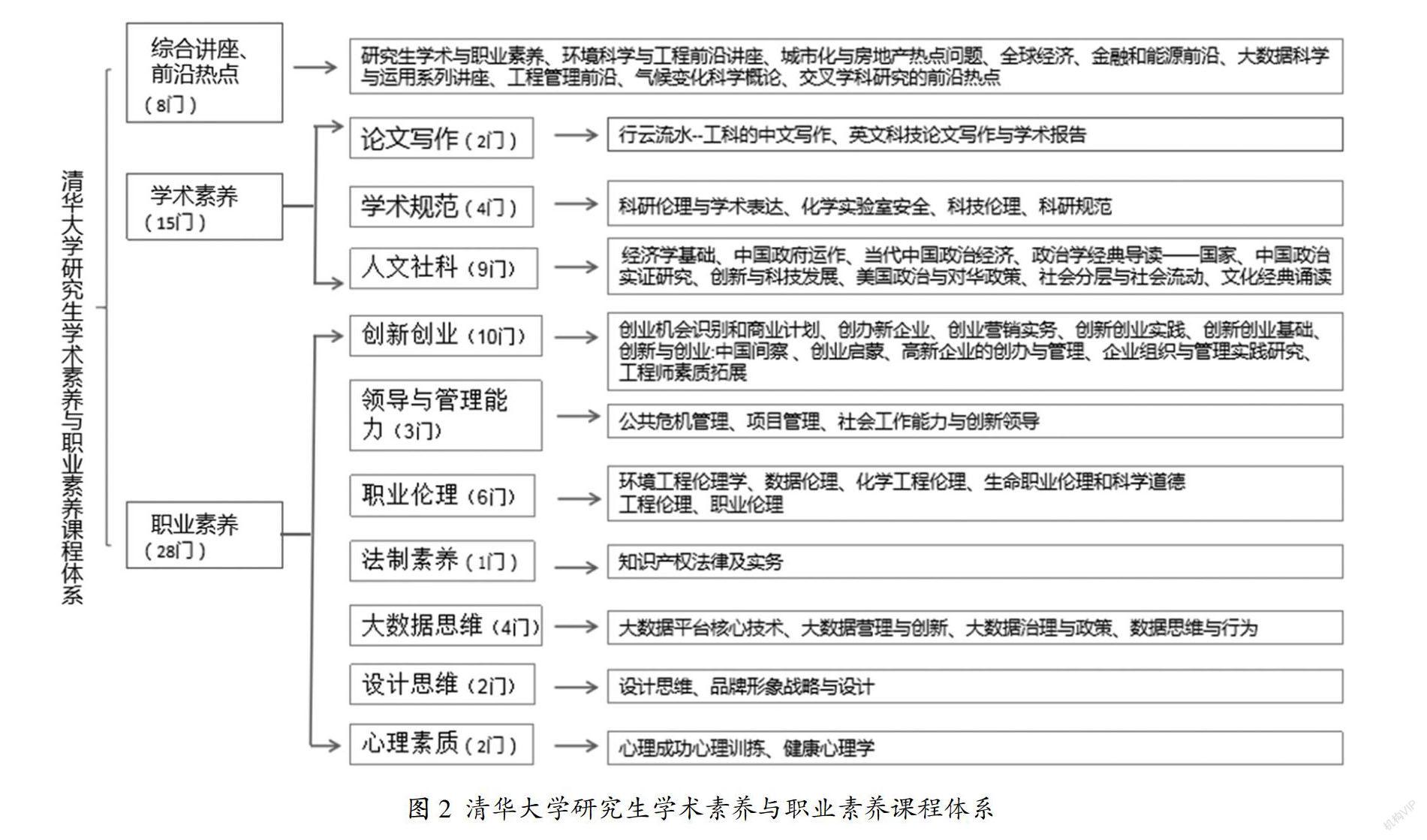
摘 要:在对悉尼大学以研究生课程平台、开放学习环境平台、学习中心为依托的研究生学术素养课程体系和清华大学由综合讲座与前沿热点、学术素养、职业素养3大模块组成的研究生学术素养课程体系进行具体分析的基础上,文章对两种课程体系在目标、结构、课程分配、课程实施方面进行对比,并为我国研究生学术素养课程体系的建设提供借鉴经验。
关键词:学术素养;课程体系;研究生
中图分类号:G643 文献标志码:A 文章编号:2096-000X(2021)23-0001-05
Abstract: Based on the concrete analysis of the postgraduate academic literacy curriculum system in the University of Sydney, which included High Degree Research, Open Learning Environment and Learning Centre three platform and the postgraduate academic literacy curriculum system in Tsinghua University, which composed of comprehensive lectures and frontier hot courses, academic literacy and occupation literacy. This paper compares the objectives, structure, curriculum classification and distribution, implementation of the two universities, so as to provide experiences for the establish of graduate students academic literacy curriculum system in China.
Keywords: academic literacy; curriculum system; graduate student
开设学术素养课程是增强研究生的学术规范意识、推动学术诚信、形成良好学术风气的有效途径,更是为国家建设与发展培养有道德、有能力、有责任高水平人才的必由之路。在学术素养课程开发与建设的过程中,研究他国高校课程体系并借鉴其合理创新之处,将促进我国学术素养课程向前发展。
一、悉尼大学研究生学术素养课程体系分析
悉尼大学素来推崇严谨负责的研究精神,极其重视对研究生学术素养的培养,自2011年颁发《更高学位(HDR)规则》[1],便开始集中精力建设研究生学术素养课程,并在2015年基本形成课程体系。课程体系的建设涉及开设目标、整体结构、课程分类与分配、课程实施等内容,深入分析以上内容是全面解读悉尼大学研究生学术素养课程体系的基础。
(一)目标
悉尼大学学术素养课程体系的目标分为总体与具体两部分,总体目标旨在发动学生传承学术诚信文化,提高科研能力,争做“正確的事”,即在谋求个人学术成就的同时保持诚信与道德态度。……