活塞式压缩氮气发动机空调系统仿真分析
2021-09-10栗波
栗波


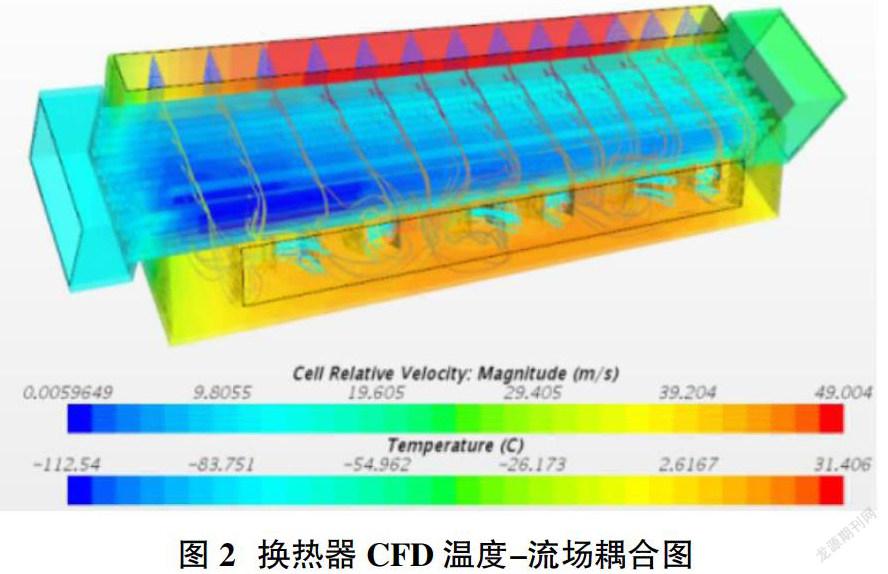
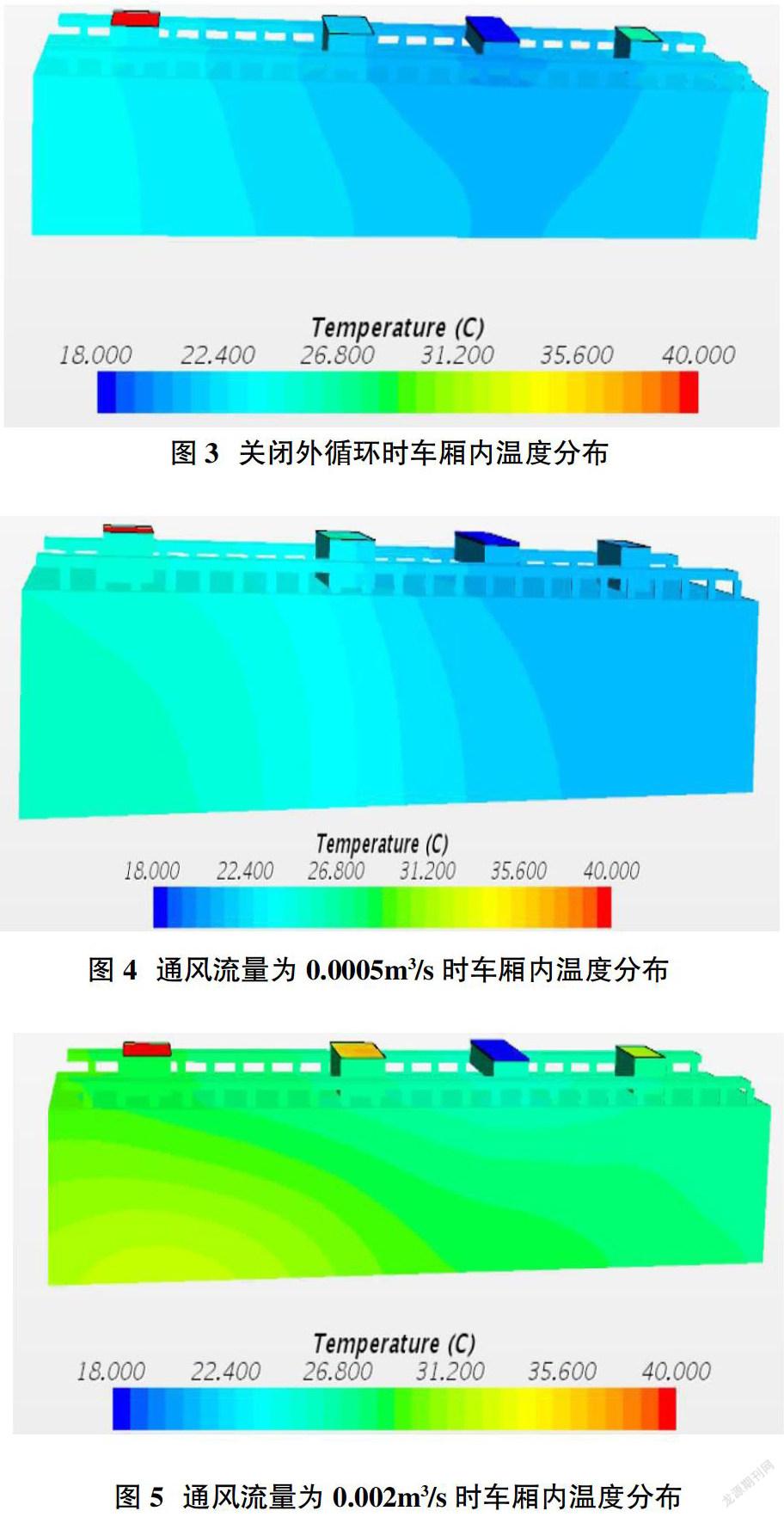
摘要:针对压缩氮气活塞式发动机的排气蕴含大量冷量的突出优点,提出了利用压缩氮气活塞式发动机产生的排气冷量作为汽车空调制冷源使用的技术方案。基于潍柴某六缸柴油发动机改进后的压缩氮气发动机搭建GT-power仿真模型,基于原车空调换热系统搭建Star-ccm+仿真模型,通过发动机仿真模型计算出压缩氮气发动机的排气参数,使用Star-ccm+模拟冷气通入换热系统后对车厢的制冷效果。仿真结果显示,风机吸入的45℃空气经压缩氮气活塞式发动机所排出的冷气冷却后通入车厢,可将车厢内温度控制在22℃至26℃之间,制冷效果良好。
Abstract: Aiming at the outstanding advantage that the exhaust gas of a compressed nitrogen piston engine contains a large amount of cold energy, a technical solution is proposed to use the exhaust cold energy produced by the compressed nitrogen piston engine as a refrigeration source for automobile air conditioning. Build a GT-power simulation model based on the improved compressed nitrogen engine of a six-cylinder diesel engine from Weichai, build a Star-ccm+ simulation model based on the original car’s air conditioning heat exchange system, and calculate the exhaust parameters of the compressed nitrogen engine through the engine simulation model. Star-ccm+ simulates the cooling effect of the car compartment after the cold air is fed into the heat exchange system. The simulation results show that the 45°C air drawn in by the fan is cooled by the cold air discharged from the compressed nitrogen piston engine and then passed into the cabin. The temperature in the cabin can be controlled between 22°C and 26°C, and the cooling effect is good.
关键词:气动发动机;空调系统;数值模拟
Key words: air powered engine;air conditioning system;numerical simulation
中图分类号:U463.1 文献标识码:A 文章编号:1674-957X(2021)10-0022-02
0 引言
发动机节能减排作为一个世界性课题,研究人员一直在寻找减少碳排放和提高燃烧效率的方法,另外,也在不断寻找替代能源,比如压缩空气[1]。文中提出的压缩氮气活塞式发动机具有零污染、可再生和可循环使用的优点,是解决能源危机和环境污染问题的又一突破口[2]。由于气动发动机在常温下工作,无需使用特殊的材料制造,在降低制造成本的同时,又实现了整车的轻量化[3]。但气动发动机输出功率小、能量利用效率低[4]。而废气中的能量损失是能量利用率低的主要原因之一,因此,通过合理的技术方案对工作过程中的大量冷量进行手机,借助换热系统将其通入客车的空调系统中重新利用,取缔原车空调系统,以实现降低功耗提高整车动力性的目标。……