海上动目标打击中的人工智能辅助决策
2021-06-29王拓朱德政于翔
王拓 朱德政 于翔
摘要: 在海上动目标精确打击决策中,针对从发现、识别目标到摧毁目标的延迟时间长,缺乏最佳打击点决策依据的问题,在分析海上动目标的航行特点的基础上,对卡尔曼滤波算法进行了适应性改进,实时预测和修正海上动目标的位置和速度的联合概率分布;结合对延迟时间、杀伤效能等要素的分析,对计算结果进行人性化抽象,为决策者提供可靠的人工智能辅助决策依据。
关键词: 海上动目标; 精确打击; 人工智能; 决策理论
中图分类号:TP391.7 文献标识码:A 文章编号:1006-8228(2021)04-01-04
Abstract: In order to solve the problem of long delay time from finding and identifying targets to destroying targets and lack of decision-making basis of the best strike point, this paper analyzes the navigation characteristics of moving targets on the sea, improves the adaptability of Kalman filter algorithm, predicts and corrects the joint probability distribution of position and velocity of moving targets on the sea in real time; By analyzing the factors such as delay time and destruction efficiency, the calculation results are abstracted with humanizing, which provides decision-makers with a reliable artificial intelligence aided decision making basis.
Key words: moving target on the sea; precision strikes; artificial intelligence; decision theory
0 引言
在海上動目标精确打击作战中,由于卫星侦察情报信息与导弹最终命中目标之间存在较长的时间延迟[5],指挥员难以预判打击位置和打击效果。所以,如何最大程度地利用已有知识和情报数据,采用估计理论模型为指挥员提供可靠的参考信息,是一个值得深入研究的问题。
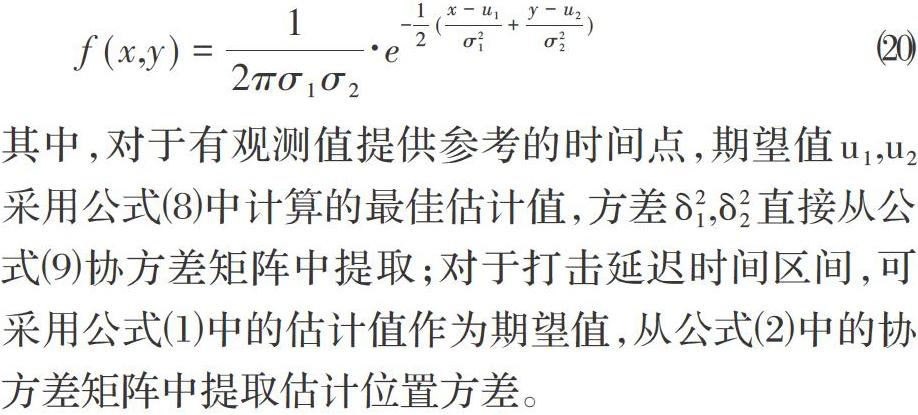
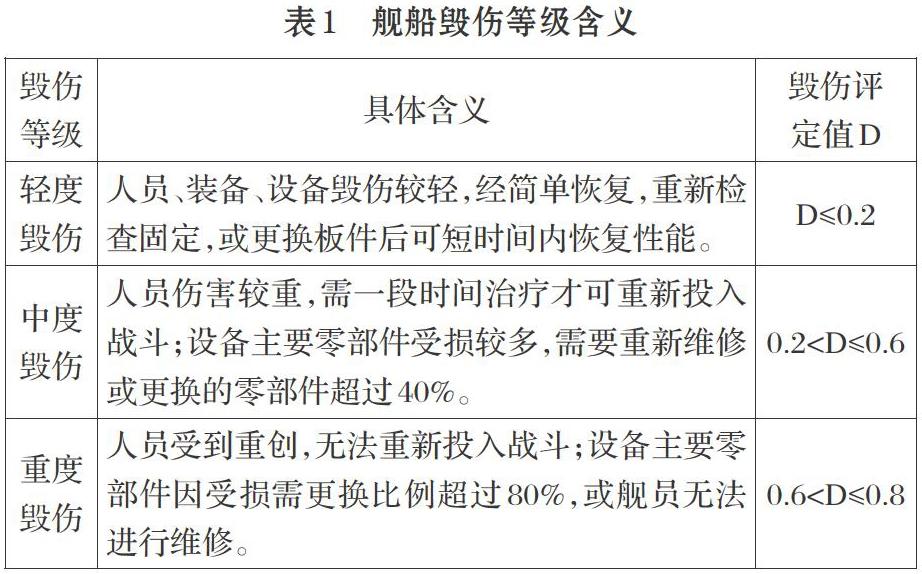
在人工智能的理性决策通用理论中,决策理论=概率理论+效用理论[1],本文充分利用海上动目标的航行特点信息和已知轨迹信息,在侦察信息的真空期,使用完全联合概率分布的数学方法进行推理[1],准确预判目标位置、速度的联合概率分布,结合打击武器杀伤效能和打击延迟时间,给出相应作战决策的作战效果预测和最佳打击决策建议。
1 航迹预测
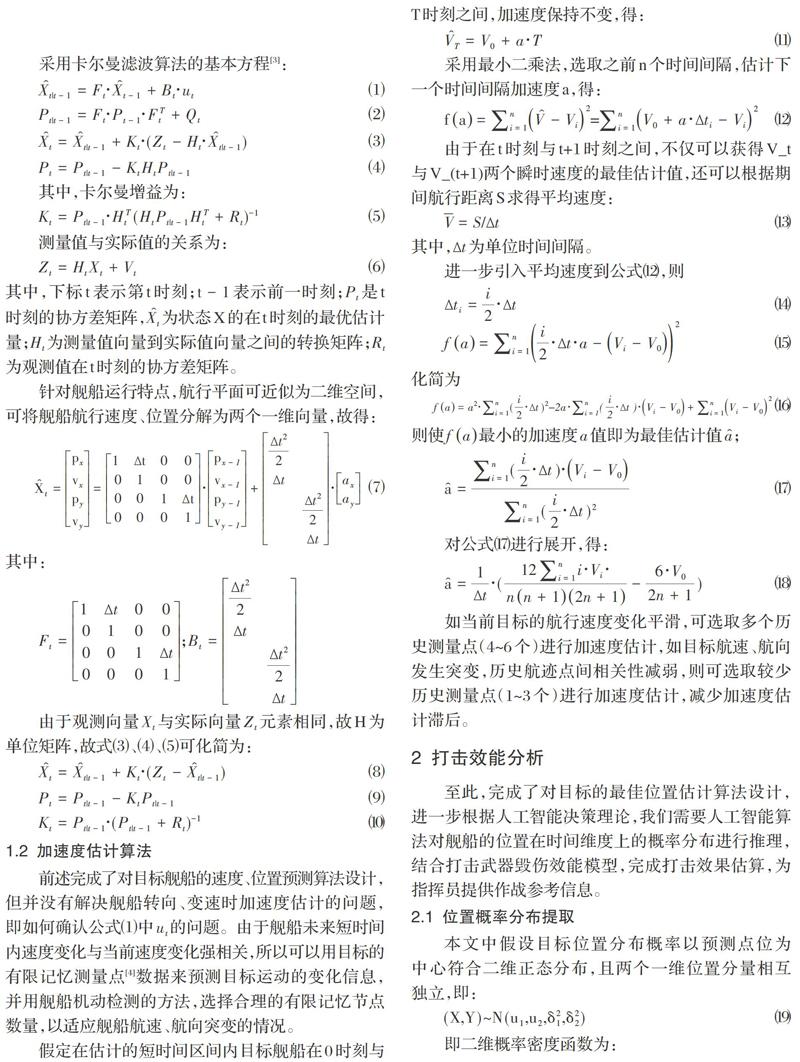
海上动目标航行特点主要有以下几个方面,一是目标海上航行无地形起伏,可以近似为在二维平面上进行航行;二是目标通常是在运动状态,而且运动的速度较慢,典型的航速约为30节(约为55.5km/h);三是目标体型巨大,所以速度变化比较平滑,航行方向、速度不会产生剧变[2]。……