基于分布式框架的城市内涝智慧监测系统
2021-06-28林宇聪冯祥胜叶健安
林宇聪 冯祥胜 叶健安
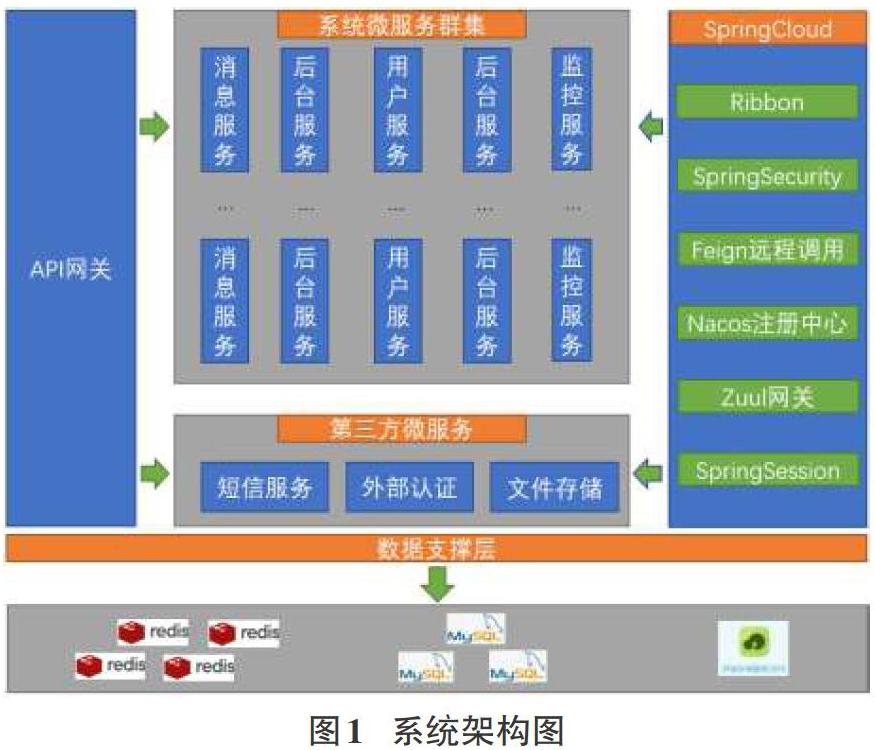
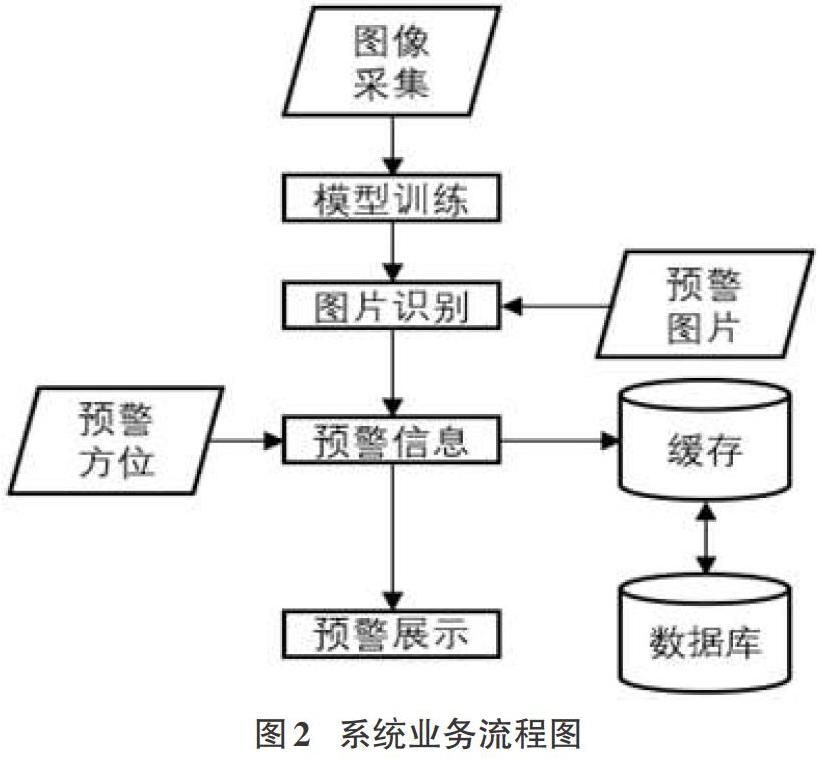
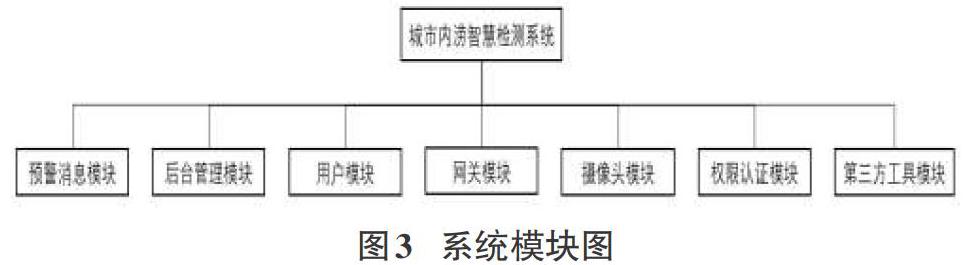
摘要:针对传统的城市内涝监测软硬件投入大,监测点稀疏等问题,基于城市交通、公安、市政等监控视频获取的道路图像信息,实现了分布式框架的城市内涝智慧监测系统。 系统采用TensorFlow算法实现的深度学习模型对城市道路视频监控图像进行内涝监测。并采用SpringCloud框架搭建分布式网站平台,实现对城市内涝进行监测。
关键词:城市内涝;智慧监测;springcloud;分布式架构;tensorflow
中图分类号:TP399 文献标识码:A
文章编号:1009-3044(2021)10-0030-03
Abstract: Aiming at the problems of traditional urban waterlogging monitoring, such as large investment in software and hardware and sparse monitoring points, a distributed framework of urban waterlogging intelligent monitoring system is implemented based on the video monitoring images of urban traffic, public security and municipal administration. The system uses TensorFlow implementation of deep learning model to monitor the waterlogging of urban road video monitoring images. SpringCloud framework is used to build a distributed website platform to monitor urban waterlogging.
Key words: urban waterlogging; intelligent monitoring; springcloud; distributed architecture; tensorflow
1 引言
由于强降水和特殊天气招致的城市内涝,会使得城市交通受到大面积的影响,城市之中基础设施遭受重大损失。当城市之中发生洪涝灾害,如果可以对洪涝灾害的实时状况进行监测和预警,对减少内涝带来的损失有着重大帮助。
城市内涝监测预警通常有人工法和定点监控法。人工法一般是相关部门通过大量的人力物力,对容易发生内涝的地点进行实地勘测,并立即向部门中心上传内涝的相关信息。这种方法费时费力,同时难以及时获得准确的积水位置和积水深度等情况,目前逐步在淘汰。定点监控法是通过在重点监测地点安装传感器和通信设备,通过传感器及时获得积水信息,并汇总到相关部门。这种方法能够精确的得知传感器地区的内涝情况,但是这种物理检测系统的构建不仅仅需要专用传感器、通信网络,同時还需要持续的通讯和设备维护管理,建设成本和维护成本太高。由于极端天气现象其实并不常见,因此系统的使用率低,性价比不高[1-5]。……
