吴语宣州片红杨镇方言两字组连读变调研究
2021-05-17孙珊
孙珊
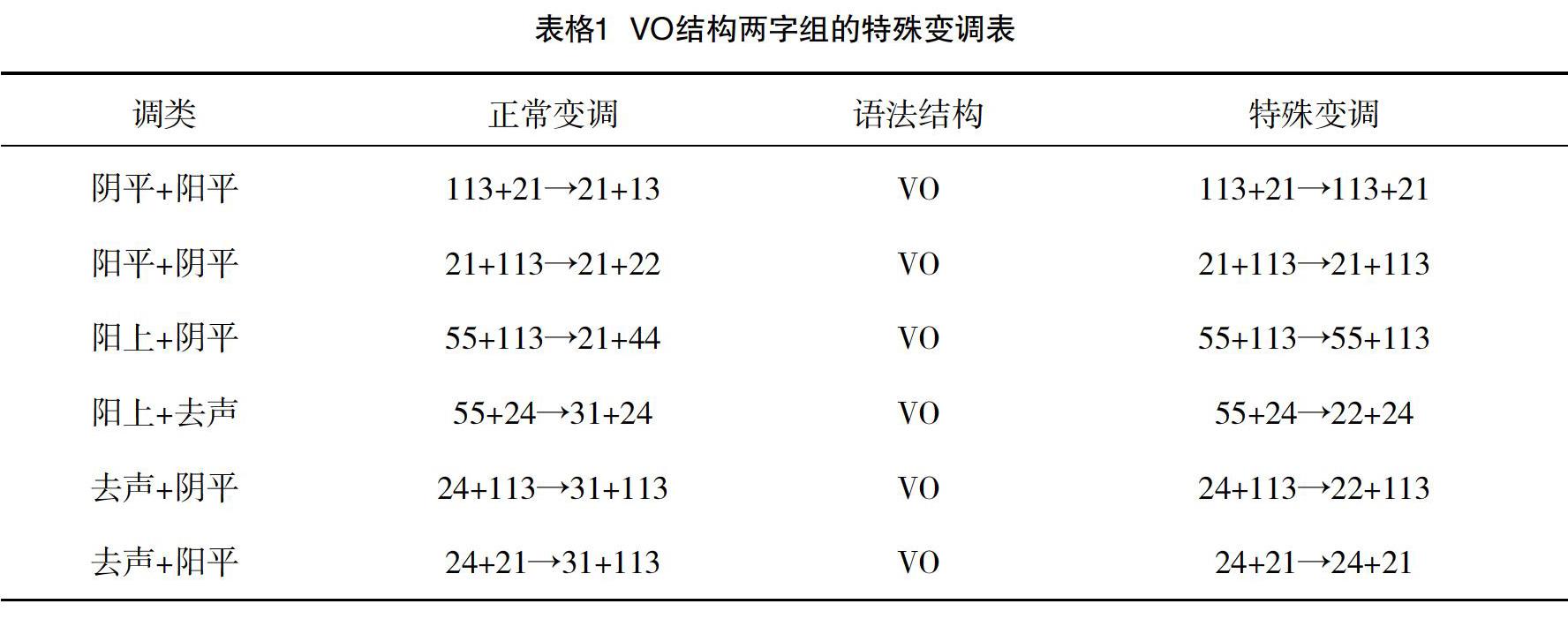
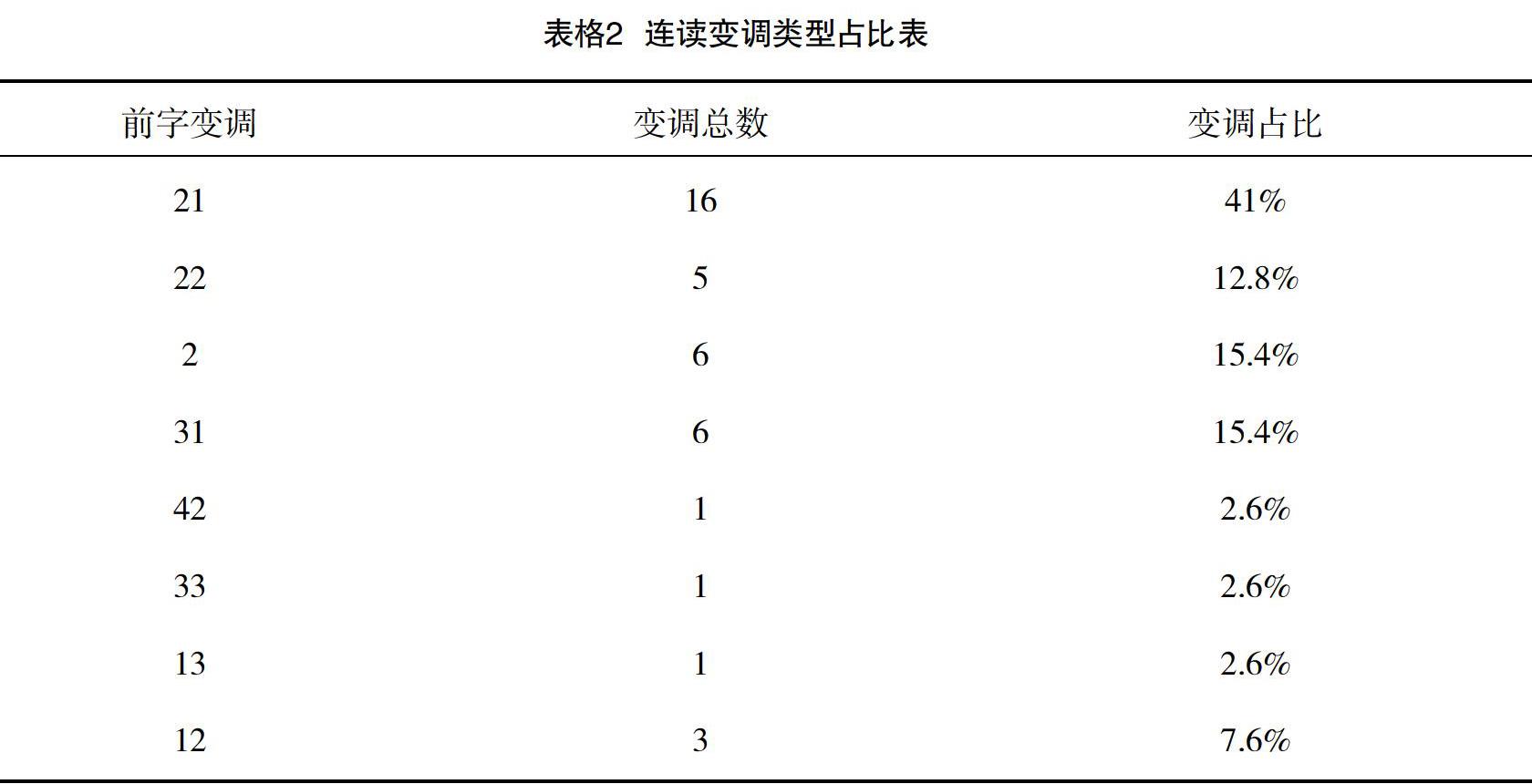
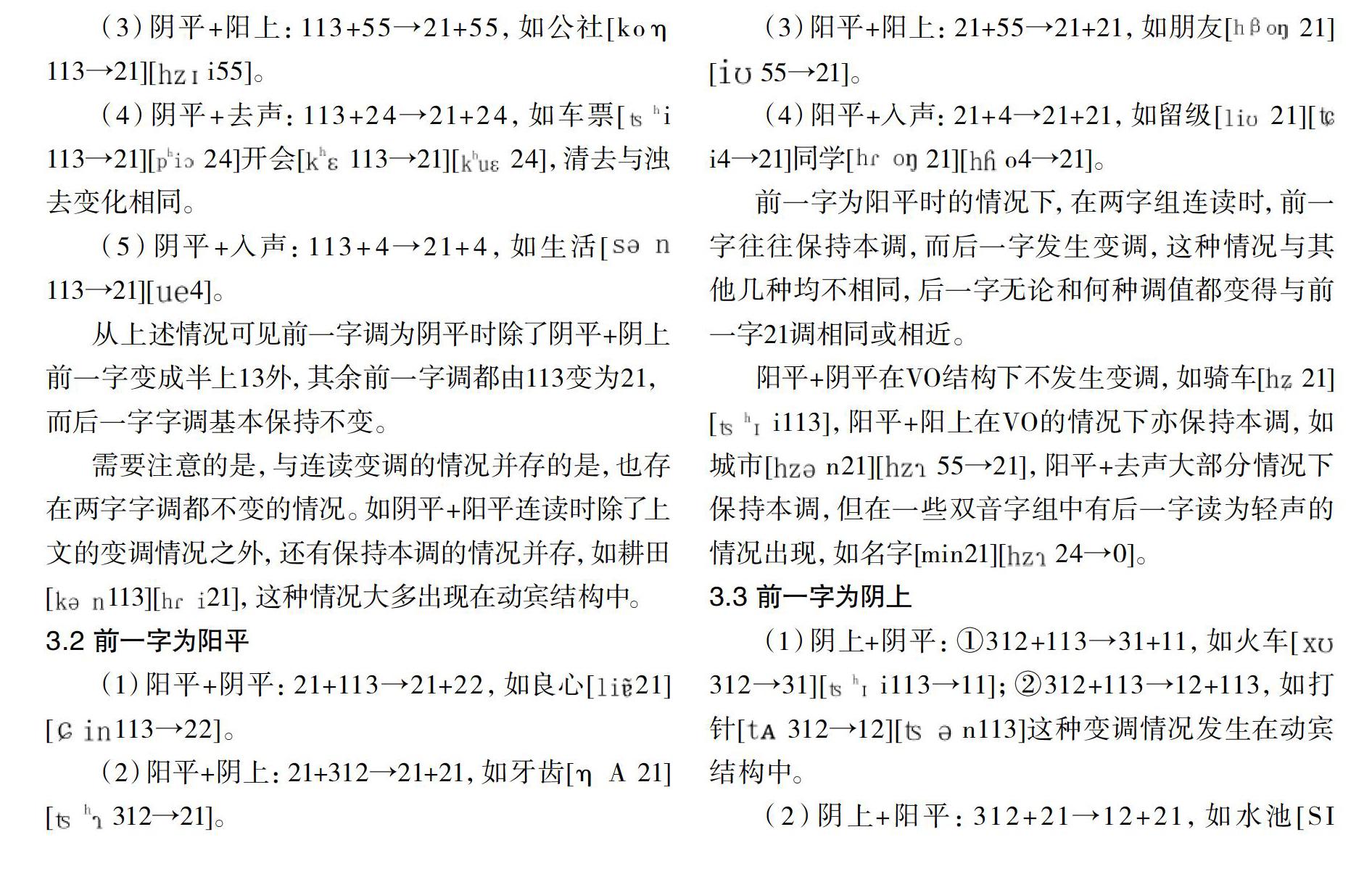
摘 要:宣州吴语红杨镇方言共6种声调,非叠字双音字组的连读变调共有39种,基本上为前字变调而后字不变调。且无论前后字调类调值如何,前字总是趋向于变为21调,“21类+各种本调”为红杨镇方言两字组主要变调模式。这种变调既非语音层面的变调模式,也不能单纯地视为语法语义变调,从类型学的角度来讲,可视为汉语方言连读变调中的一种特殊的受韵律模式影响的“韵律变调”。
关键词:宣州吳语 方言 连读变调 声调
中图分类号:H173 文献标识码:A文章编号:1672-3791(2021)02(b)-0023-05
A Study on Tone Sandhi of Two-character Groups in Hongyang Town Dialect in Xuanzhou Pian
SUN Shan
(Beijing Language and Culture University, Beijing, 100083 China)
Abstract: There are 6 tones in the Hongyang Town dialect of Wu dialect in Xuanzhou, and 39 tones in non-duplicated double-syllable groups, basically the first word is modified and the second word remains unchanged. Regardless of the tones of the preceding and following words, the preceding words always tend to become 21 tones, and "21 categories + various original tones" is the main tone sandhi of the two-character group of Hongyang Town dialect. This tone sandhi is neither a phonetic-level tone sandhi, nor can it be simply regarded as a grammatical and semantic tone sandhi. From the perspective of typology, it can be regarded as a special kind of "prosody sandhi" in the continuous tone sandhi of Chinese dialects, which is affected by the prosody model.
Key Words: Xuanzhou Wu dialect; Dialect; Tone sandhi; Tone
连读变调是一种语流音变现象,由于人们对发音动作简便的要求,语流中相邻音节的声调在调型调值方面发生一种相互协调的变化,因此产生了变调。连读变调现象在汉语各方言中十分常见,但汉语方言的连读变调往往具有内部复杂性,且其变调类型具有十分重要的类型学的研究价值。
1 红杨镇地理位置
安徽省芜湖县为芜湖市下辖县,地处安徽省东南部,位于长江下游南岸。东南邻宣城市,西南接南陵县,东北与当涂县交界,西北紧邻芜湖市区,曾经市县同城。
其下辖红杨镇,置芜湖县南部,距离县城湾沚12 km,青弋江由南向北贯穿中部。行政村为六桥村,自然村为五星村,在乡政府西南方向,距乡政府2 km。
芜湖市位于官话区和吴语区的交界地带,主要通行江淮官话和吴语宣州片。芜湖地区各方言的分布错综复杂,大部分地区都有双方言甚至多方言分布,小至一个村镇都有可能分布有不同的方言,且官话和吴语之间并非泾渭分明,很多地方的方言具有官话和吴语的共同特征,属于过渡类型的方言,对于这些方言的归类也并不完全统一。……