基于空间杜宾模型的中国资本密集型产业碳排放影响研究
2021-03-10冉紫衣
冉紫衣


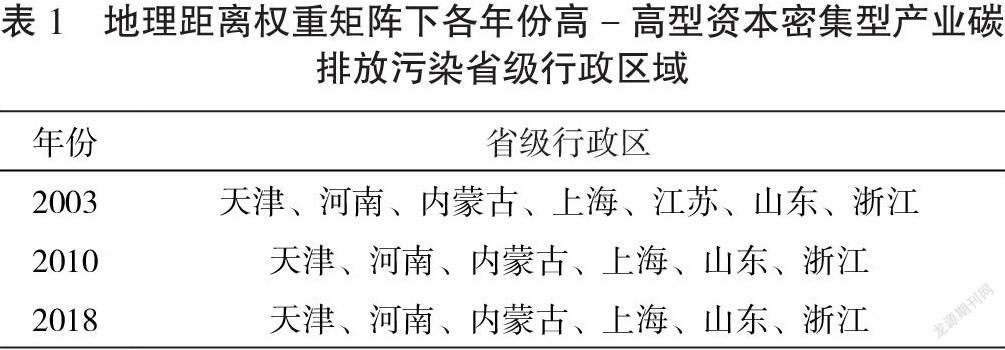
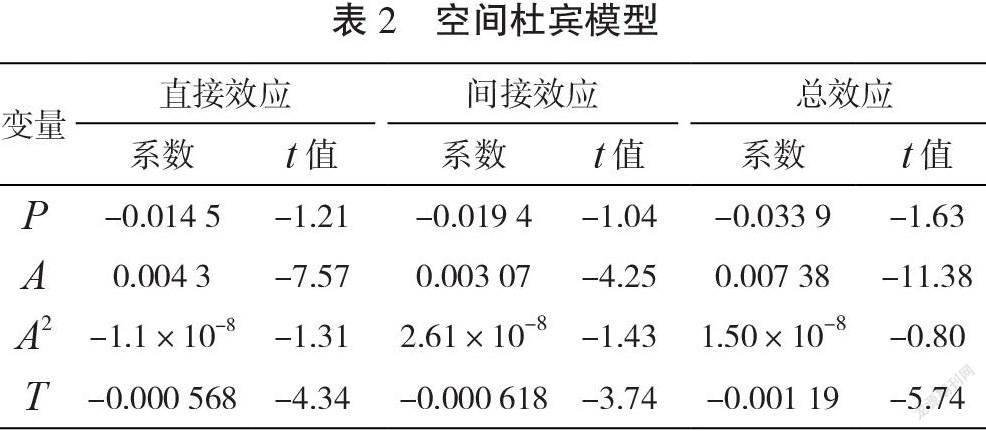
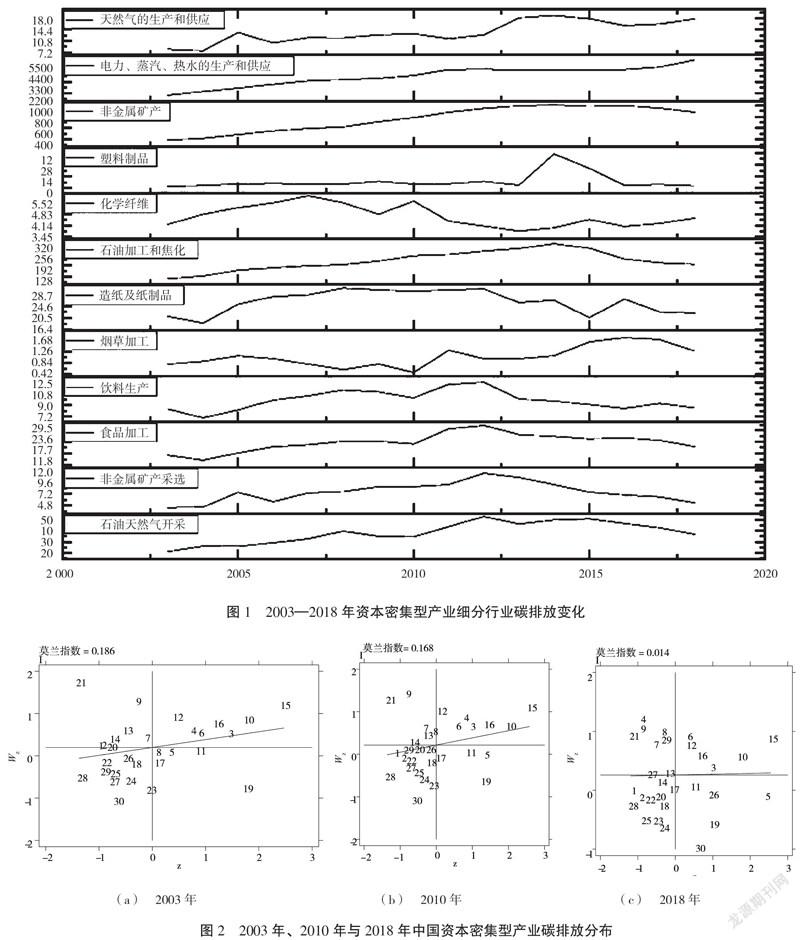
摘 要:基于2003—2018年的资本密集型产业碳排放数据,利用空间自相关方法分析全国30个省级行政区资本密集型产业碳排放的空间演化特征,并利用空间杜宾模型对中国资本密集型产业碳排放与主要影响因素的关系进行实证研究。结果表明:中国2003—2018年资本密集型产业碳排放平均每年增加249.9 μg/m3;资本密集型产业碳排放在2003年的莫兰指数为0.186,2018年为0.014,在空间呈现出“东重西轻”“南矮北高”的空间分布特征;经济增长与碳排放之间不存在显著的倒U形关系,表现出负向单调关系,技术水平与碳排放之间表现出显著的负向关系。
关键词:资本密集型产业碳排放;空间杜宾模型;空间演化特征
中图分类号:F205 文献标识码:A 文章编号:1003-5168(2021)28-0-04
Abstract: Based on the carbon emission data of capital-intensive industries from 2003 to 2018, to use spatial autocorrelation method to analyze the spatial evolution characteristics of the carbon emissions of capital-intensive industries in 30 provinces across the country, and finally uses the spatial Dubin model to analyze China’s capital-intensive industries. Conduct empirical research on the relationship between carbon emissions and main influencing factors.The results show that: China’s carbon emissions from capital-intensive industries increased by 249.9 μg/m3 per year on average from 2003 to 2018; The carbon emission of capital-intensive industries was 0.026 in 2003 and -0.044 in 2018, showing the spatial distribution characteristics of “heavy in the east and light in the west” and “short in the south and high in the north” in the space;There is no significant inverted U-skape relationship between economic growth and carbon emissions, showing a negative monotonic relationship, and a significant negative relationship between technological level and carbon emissions.
Keywords: capital-intensive industry carbon emissions;spatial dubin model;spatial evolution characteristics
近幾年,温室气体引起的全球变暖已成为学界热议的话题。大量的温室气体会造成冰川融化、海平面上升、全球气候变暖等问题。为缓解全球变暖趋势,我国提出要树立“大力推进生态文明建设、坚持走可持续发展道路”的新思想[1]。近几年,我国资本密集型产业资本在生产过程中劳动、知识的有机构成水平较低,使得产品物化劳动所占比重较大,因此产生的碳排放量始终居高不下,造成碳排放增长。有观点认为,随着企业生产规模的扩大,产业集聚性提高,资源消耗量会升高,会导致碳排放增加。部分学者认为经济增长是碳排放增长的首要驱动力,而技术进步带来的能源强度下降[2]、能源消耗是造成环境压力的主要原因[3]。此外,还有一部分学者认为经济增长与碳排放之间有显著的倒U形关系[4]。……
