武威亥母寺遗址出土擦擦类型学研究
2020-09-22蒋超年赵雪野
蒋超年 赵雪野
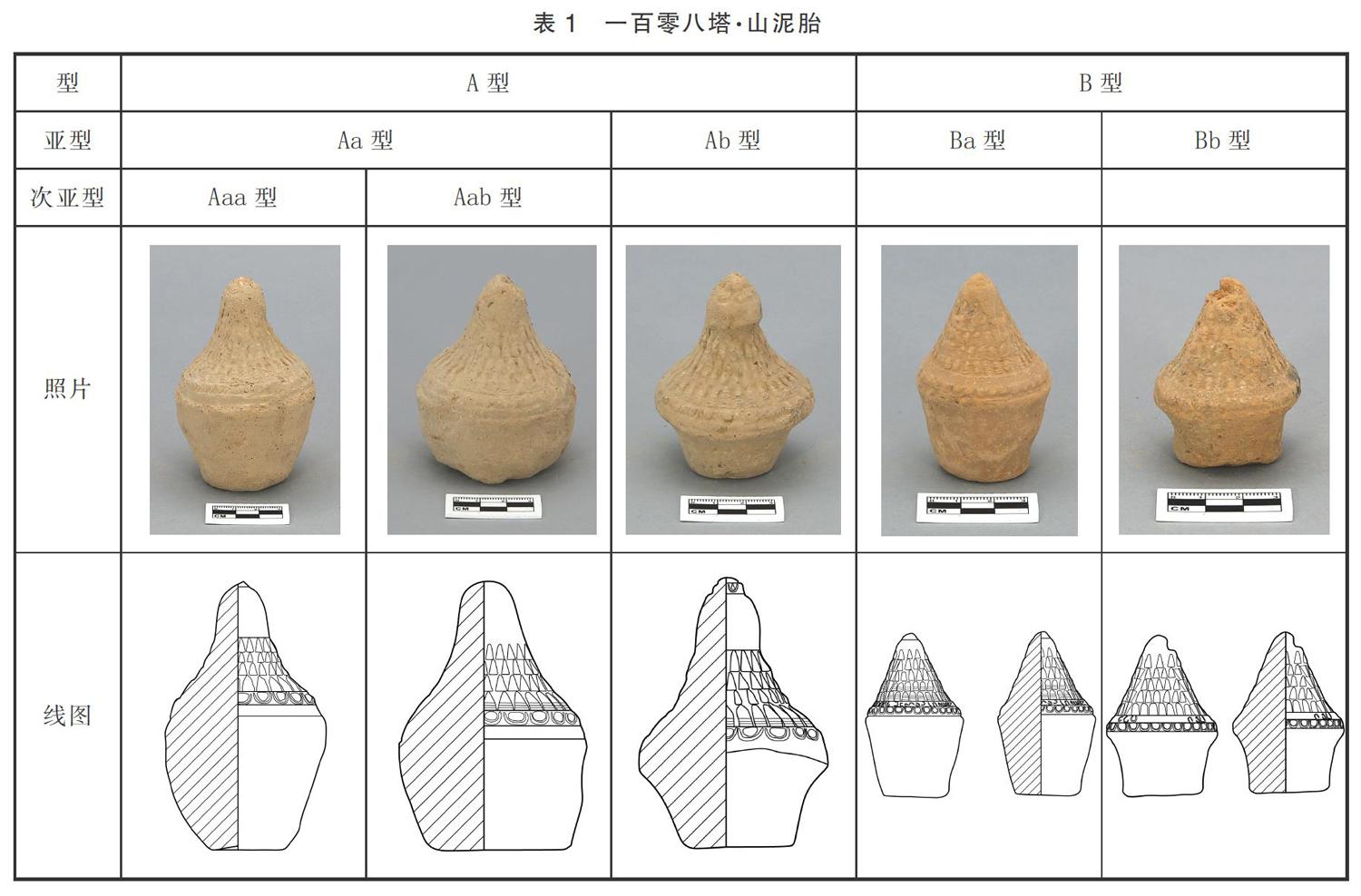
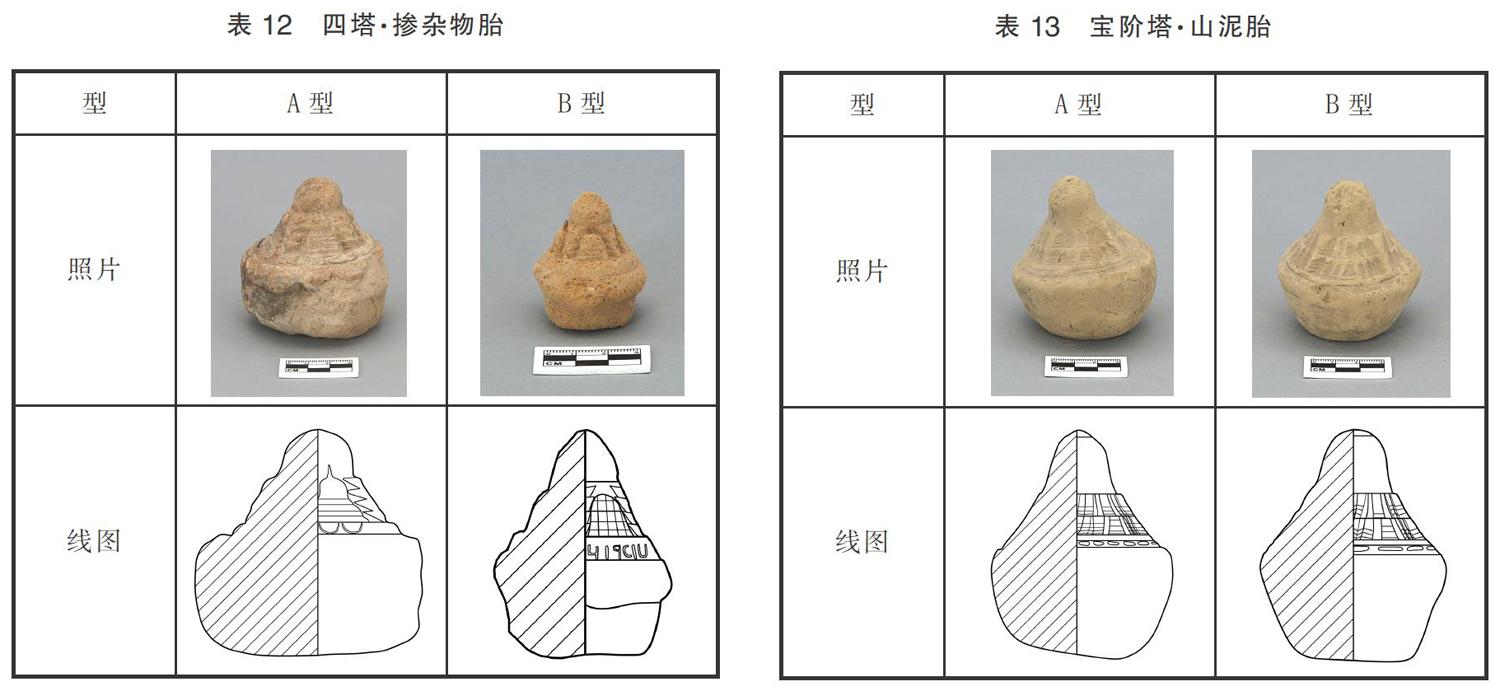
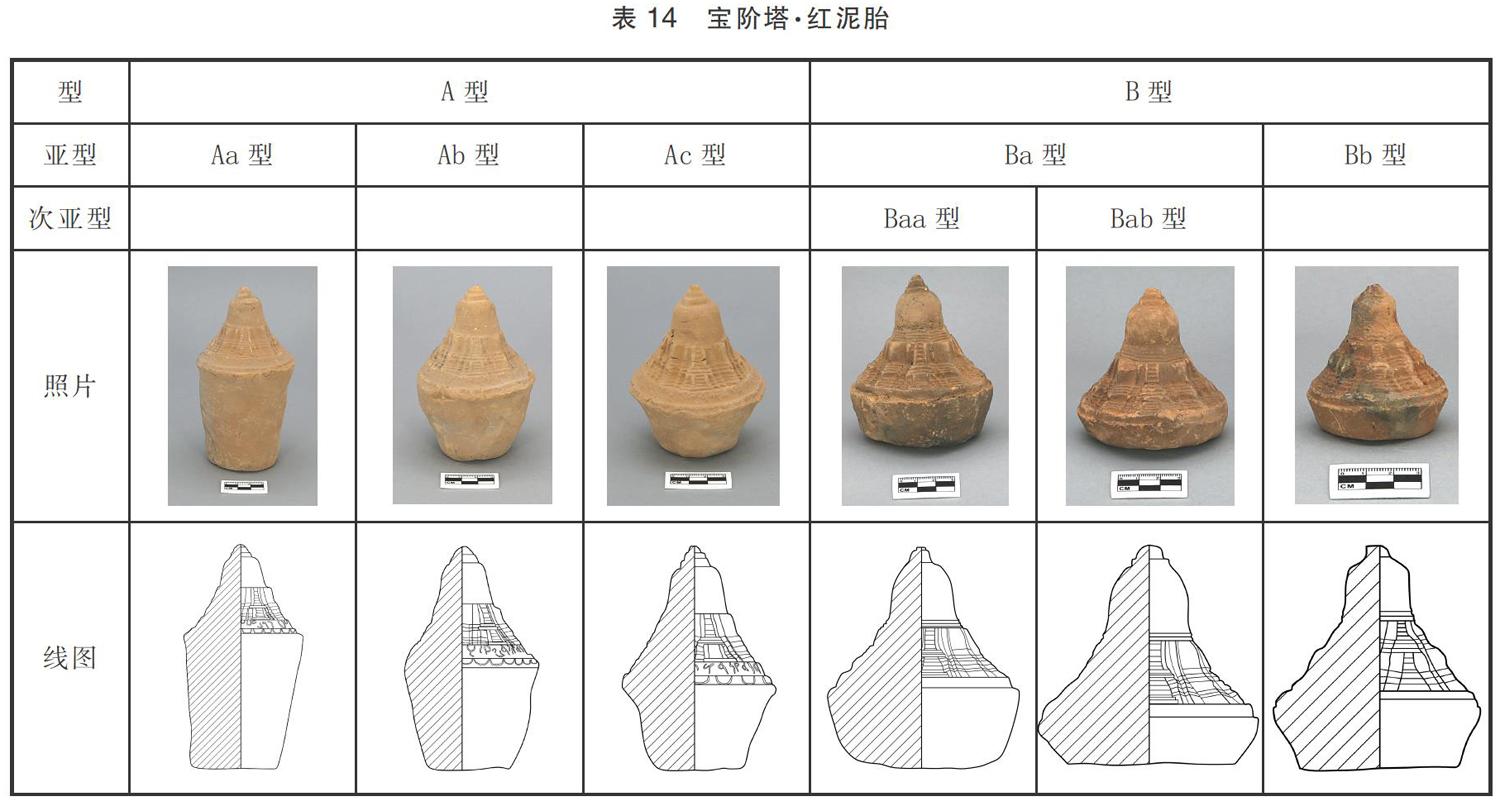
内容摘要:亥母寺遗址出土塔型类擦擦113729枚,按题材可分为一百零八塔、八塔、四塔和宝阶塔四类。每一类按制作胎泥的不同,可分为山泥胎、红泥胎、红砂土胎和掺杂物胎四种。每一种按其形制特征的差异,又分为不同的型、亚型、次亚型和次次亚型。通过类型学的分析和比对,推断这批擦擦的年代在12至16世纪,艺术风格受到了西藏擦擦的影响,是藏传佛教在武威地区传播和发展的实证史料。
关键词:亥母寺;擦擦;西夏
中图分类号:K879.3 文献标识码:A 文章编号:1000-4106(2020)03-0071-15
Tsha-tshas Unearthed from the Haimu Temple Site in
Wuwei:A Typological Study
JIANG Chaonian ZHAO Xueye
(Gansu Provincial Institute of Cultural Relics and Archaeology, Lanzhou, Gansu, 730000)
Abstract: About 113,729 pagoda-shaped tsha-tsha(miniature Buddhist pagodas)have been unearthed from the Haimu Temple archaeological site; these pagodas can be separated into four types:“one hundred-and-eight”themed pagodas, eight-tower pagodas, four-tower pagodas, and stepped-pagodas. A further classification can be made based on the materials with which the pagodas are made, which include mountain clay, red clay, sandy red clay, and clay mixed with other materials. The form and combination of the above types can be divided into different groups and sub-groups according to their forms. Based on typological analysis, this research has inferred that the dates of these pagodas range from the 12th-16th centuries and exhibits an artistic style heavily influenced by similar cultural artifacts from Tibet as a result of the dissemination and development of Tibetan Buddhism in the Wuwei region.
Keywords: Haimu Temple; tsha-tsha; Western Xia Regime
亥母寺遗址位于武威市凉州区新华镇缠山村七组西南侧的祁连山余脉北麓,由四座洞窟及窟前建筑遗存组成,面积98000平方米。该遗址是我国现存较早的一处藏传佛教遗址,创凿于西夏崇尊正德四年(1130),元、明、清延续。四座洞窟开凿于祁连山北侧卵砾石及坡积物覆盖的红砂岩山梁东坡半山腰处,窟区内岩土体有二叠系下统大黄沟群紫红色粗砂岩和残坡积物。窟区位于祁连山褶皱系的走廊过渡带,地处九条岭中古凹陷带东侧的大沙沟中凹陷带内,构造十分复杂。山体北侧为缓坡状的山前台地,多处分布灰白色的土丘状山包。遗址窟前呈平台,平台以下坡底为干涸的季节性自然冲沟,地属石羊河流域。
一 出土概况
2016—2018年,甘肃省文物考古研究所对亥母寺遗址进行了连续三个年度的考古发掘,共清理发掘洞窟三座(01、02、03窟),01、02窟出土塔型类擦擦113729枚。这批擦擦只有少量为采集,发现时装在编织袋内,堆放于01窟前室的北壁处,共计3420枚,占出土总量的3%;其余均出自龛、坑和擦擦堆积等遗迹,合计110309枚,占出土总量的97%;另有极少量出自地层、墙体和窟壁间隙。……