土地发展权重构下的土地整备模式研究
2020-08-06杨恒
杨恒
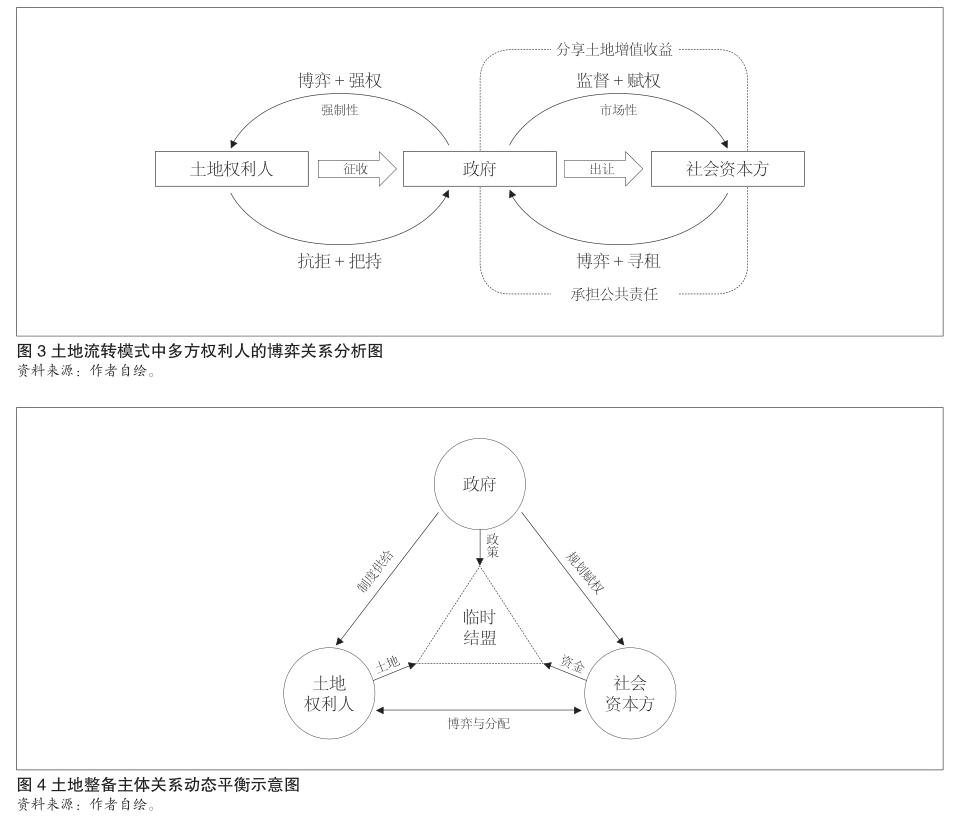
摘要:文章从土地发展权的视角出发,指出存量土地更新中“争地”背后的“争权”逻辑,提出一种针对存量用地更新的土地整备模式——在“规划集成”前提下,通过政府主导的土地重划机制,直接从土地产权的空间调整入手,平衡地方政府、土地权利人、社会资本方在土地增值收益与社会公共职责之间的利益博弈,保障更新过程中公益性项目、公共服务和市政设施落地。进而对以土地发展权为支撑的土地整备工作提出建议,以期使存量土地实现多元价值的共赢与分配公平。
关键词:土地发展权;土地整备;土地重划;土地增值收益分配;广州市增城区
doi:10.3969/j.issn.1009-1483.2020.06.003 中图分类号:TU984
文章编号:1009-1483(2020)06-0012-06 文献标识码:A
Analysis on Land Rearrangement Mode of Land Development Right Reconfiguration: A Case Study of Zengcheng District, Guangzhou City
YANG Heng
[Abstract] Assuming the perspective of land development right, the paper reveals the vying for land in the redeveloping of stock land behind vying for rights. A land rearrangement mode is proposed: Starting with land property right reallocation, negotiation among the three main stakeholders-local government, landholders and private capital gets guided by proactive planning and regulated by land consolidation policies, distributing both the right to added values and the ensuing obligations, thus ensuring the implementation of projects of public welfare and infrastructure. Further suggestions are made for land rearrangement practice based on development rights, in order to realize the win-win situation and fair distribution of stock land among multiple values.
[Keywords] land development right; land rearrangement; land consolidation; land appreciation income distribution; Zengcheng District in Guangzhou City
引言
2008年,國土资源部和广东省人民政府联合开展了推进节约集约用地试点示范省的建设,开启了推进“旧城镇、旧厂房、旧村庄”改造的新篇章。2009年,广州开始正式进入大规模“三旧”改造运动。尤其是都市区周边的半城市化地区,集体经济自发发展导致空间绩效低效的同时,又面临城乡二元所带来的地区改造制约。以广州东部的增城区为例,其展现了珠三角地区典型的自发城镇化发展特征,集体经济发达但城乡建设用地混杂、亦城亦乡。改造项目受权属边界破碎、用地边界畸零的制约,因此片面采用三旧改造政策难以实现地区用地整合发展。鉴于此,必要引入“土地发展权分配”思路,构建包括工作模式、空间优化与效益分配的总体框架,分析土地整备如何实现地区改造。……