水电工程围堰度汛应急管理系统脆弱性研究
2019-10-21李炜
李炜
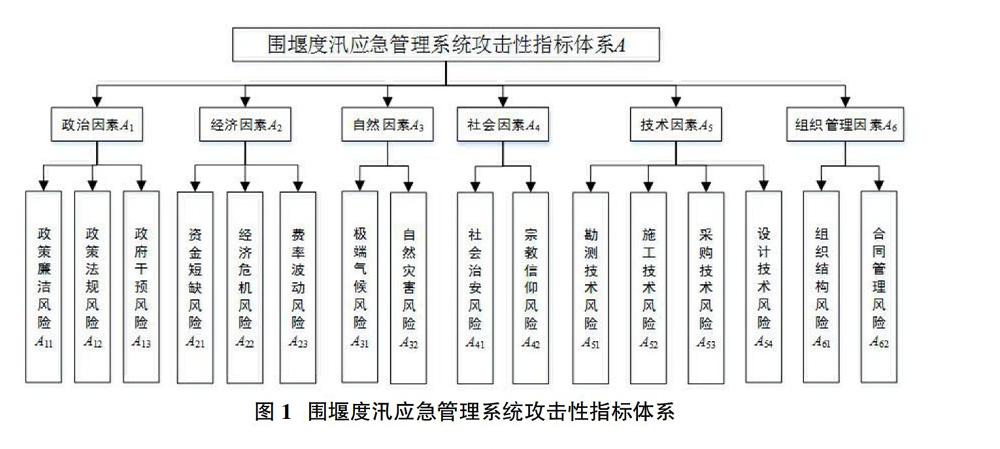
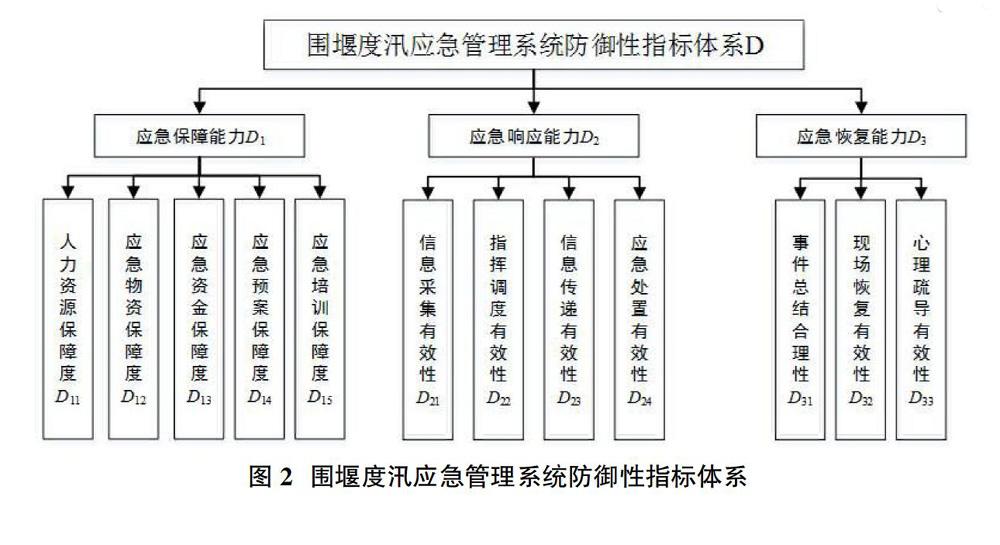
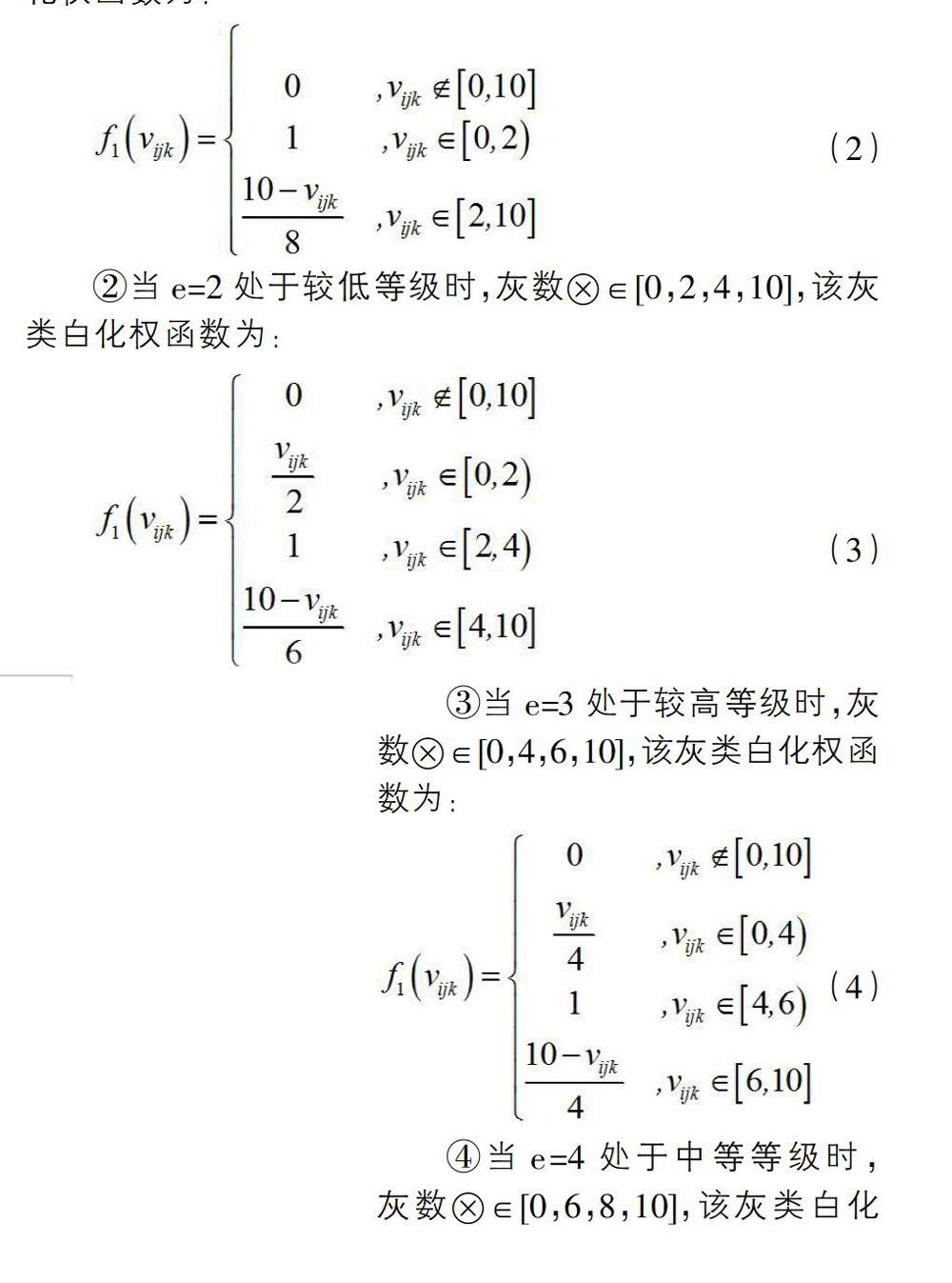
摘要:基于围堰度汛应急管理系统模糊性和不确定性特点,通过灰色聚类理论对应急管理风险进行分析。以围堰度汛应急管理三维结构关系,建立围堰度汛应急管理系统“攻击—防御”指标体系,运用各灰类白化权函数计算灰色隶属度构建灰色评价矩阵,并结合各指標权重得到整体系统和防御性指标脆弱性。评价结果与实际符合较好,验证了该方法的有效性。
Abstract: Based on the characteristics of ambiguity and uncertainty of the coping system, the emergency management risk is analyzed by grey clustering theory. The three-dimensional structural relationship of emergency management is established, and the "attack-defense" index system of the cofferdam degree and emergency management system is established. The grey evaluation matrix is calculated by using the grey-whitening weight function to construct the gray evaluation matrix, and the weight of each index is combined to obtain the whole system and defensive indicator vulnerability. The evaluation results are in good agreement with the actual ones, and the effectiveness of the method is verified.
关键词:围堰度汛;应急管理;系统脆弱性;灰色聚类理论
Key words: cofferdam degree;emergency management;system vulnerability;grey clustering theory
中图分类号:TV135.5 文献标识码:A 文章编号:1006-4311(2019)24-0008-03
0 引言
水电工程建设大多位于高山峡谷地区,因高水位、泄流量大等问题,围堰度汛成为水电工程安全施工进度中的重要环节。水电工程围堰度汛阶段常遇到前兆不明次生潜在风险,对施工安全、工程质量和施工进度计划等产生较大阻碍,因此,为避免施工过程中某一薄弱环节衍变成为突发事件,水电工程围堰度汛应急管理成为安全施工的必要条件[1]。
工程施工人员和项目安全管理者针对突发风险,如何系统、科学的应急管理,相关学者给出了一定的意见。陈玉玺等[2]针对围堰度汛受来水和泄流的影响,通过分析水力参数和水文风险保证上下游水电站安全度汛;陈昭安等[3]对围岩渗流、围堰高度和围堰抗滑稳定性分析,保证工程围堰度汛安全施工;张超等[4]考虑上游水位漫顶会影响下游围堰中期度汛,建立水位变化模型,分析水位变化对围堰度汛的影响。
上述学者主要针对单一影响因素分析风险产生,并未对围堰潜在风险进行多因素分析,针对突发风险应急管理是必要的。……
