锅炉热水供热系统能耗机器学习诊断模型
2018-09-29邬棋帆于军琪郑佳蕾
邬棋帆 于军琪 郑佳蕾

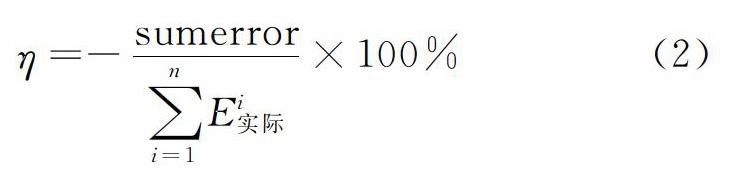

摘 要:供热系统能耗诊断是一个难点。提出一种基于机器学习算法的能耗诊断标准模型结构,通过聚类或分类算法,从采集的诊断数据中筛选出节能特性较好的运行数据,基于回归模型建立能耗诊断模型对被诊断数据进行诊断。研究发现:1)经K-means聚类筛选数据并基于贝叶斯正则化训练的人工神经网络建立拟合模型,R值分别达到了0.975 6、0.970 5、0.921 4和0.910 1,模型拟合度较高;2)模型经过3个被诊断数据集验证,经过筛选的数据建立诊断模型,节能率指标分别10.7%、17%和4%,累积误差指标达到了-149 498.67、-86 526、-4 052.27 kW,诊断效果优于未经聚类的数据建立的模型;3)对诊断结果进行分析,发现供热系统二次换热端热水流量变频节能控制措施节能效率较低,一次供热端热水流量人工调节是造成能耗过高的主要原因。这种数据建模诊断的方式是基于输入、输出变量之间的物理响应关系而不受数据时间特性的影响。
关键词:机器学习;能耗诊断;供热系统;人工神经网络
中图分类号:TU111.195.2;TP183
文献标志码:A文章编号:1674-4764(2018)04-0071-10
Abstract:To solve the energy diagnosed problem of boiler hot water heat supply, a energy consumption diagnosed method based on machine learning algorithm was proposed, firstly filtrating the data which has better energy-conservation performance from all data based on clustering or classification method. Then based on the regression model, the informant data had been tested has been test. though Through the four case study, these conclusion conclusions can be gained: 1) The R value of model which is built by artificial neutral neural network(ANN), which was trained by Bayesian regularization method based on the data clustered by K-means algorithm was is up to the 0.976, 0.970 5, 0.921 4, 0.910 1; 2) though the test by the three data gather Model validated with 3 diagnosed datasets, the energy conservation ratio were are 10.7%, 17%, 4%, the accumulation error has been is up to the -149 498.67,-86 526,-4 052.27 kW, the effect of new model is better than before; 3) the artificial control of first heating supply is the mainly reason, which cased the high heating energy. The model based on the physical response between input and output variable, which has higher robustness in time series can be widely employed in energy consumption diagnosed of boiler hot water supply system,and by the developing of data technology, the model based on the data machine learning can supply some idea ideas for the similar system.
Keywords:machine learning; energy consumption diagnosed; heating supply system; artificial neutral neural network
建筑能耗占社會总能耗的25%~30%[1],在建筑能耗组成中,供热、制冷能耗占比达50%以上[2]。中国北方地区大多都采取市政热水集中供热的方式[3],而南方地区主要是混合型供热方式[4],其主要形式包括锅炉热水二次换热[5]、市政蒸汽[6]以及空调供热等。对比常见制冷供热方式制冷供热能效比,由于锅炉热水二次换热供热能效比较低[7],并且运行成本也较高,因此,对于夏天采用中央空调制冷,冬天采取自烧锅炉热水二次换热系统供热的建筑来说,对锅炉进行能耗诊断对降低建筑能耗和能源成本有着重要意义。……