5 Animals That Have Gone Extinct in the Past 50 Years 五十年来灭绝的五种动物
2018-01-06詹姆斯艾尔曹月审订仲文明ByJamesAyre
文/詹姆斯·艾尔 译/曹月 审订/仲文明 By James Ayre
5 Animals That Have Gone Extinct in the Past 50 Years 五十年来灭绝的五种动物
文/詹姆斯·艾尔 译/曹月 审订/仲文明 By James Ayre
The rise of industrial civilization over the last few hundred years has been accompanied by the extinction of a truly vast number of different animals (as well as plant, fungi, etc.) species. While going over all such extinctions would be an impossible thing to do in a single article,it’s probably worth highlighting some of the extinctions here in order to bring more eyes to the issue.
[2] I’m going to focus here on some of the more charismatic1charismatic有超凡魅力的。(to the eyes of a human) and immediately recognizable of the animal species that have gone in extinct in recent times. With that said, here are 5 animals that have gone extinct in the past 50 years:
Baiji River Dolphin
[3] Owing to protocol, the Baiji River Dolphin (Lipotesvexillifer) has yet to actually be declared as being extinct—but, for all intents and purposes, the animal species is now long gone.
近几百年来,工业文明蓬勃发展,随之而来的却是物种(动物、植物和真菌等)的大量灭绝。限于篇幅,本文无法一一列举灭绝的物种,只能着重介绍以下几种动物,以期得到更多人对这个问题的关注。
[2]我将从近年来灭绝的物种中,选择几种(在人类看来)较有魅力且较为熟悉的动物重点介绍,亦即下文将谈到的50年来灭绝的5种动物。
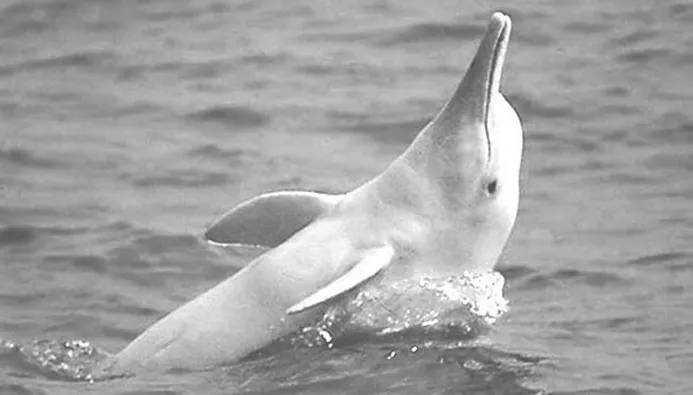
白鳍豚
[3]根据科研规程,白鳍豚(拉丁学名Lipotesvexillifer)尚未被正式宣布灭绝,但是不论如何,该物种已绝迹很久。
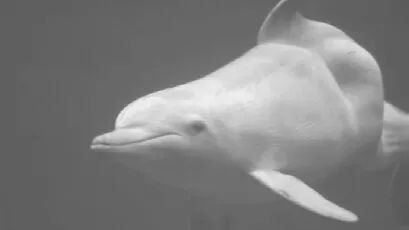
[4] The Baiji River Dolphin was a species of freshwater river dolphin native only to the Yangtze River in China. The animal has been “functionally extinct” since at least 2006, when a scientific population survey turned up no survivors.
[5] The species was once fairly prevalent, with up to 6000 individuals thought to live in the river system during the 1950s. Owing to industrialization,commercial fishing, and hydroelectric dams, though, this number fell dramatically in only a few decades.Leaving only a few hundred individuals alive by the 1980s. The last time one was seen was in 2004, though there was a possible sighting in 2007.
[4]白鳍豚属淡水豚类,仅生存于中国长江流域。至少在2006年后,种群数量调查再没有发现一头白鳍豚的身影。该物种已告“功能性灭绝”。
[5]白鳍豚种群数量一度比较可观,据估计,20世纪50年代长江流域中至少有6000头。然而,由于工业开发、商业捕捞以及水电大坝的修建,短短数十年间,白鳍豚种群数量急剧下降。20世纪80年代仅余数百头。最后一次发现白鳍豚是在2004年,但2007年有发现疑似白鳍豚的动物。
[6] Considering that the species (and/or closely related ones) has been around for literally tens of millions of years,the rapid destruction of population numbers due to industrial activity represents quite a remarkable event.It really drives home the point of just how environmentally and ecologically destructive modern industrial activity has been. And, for that matter, will continue to be as the arc that began several centuries ago continues to complete itself—and the last industrially useful (economically speaking) fuels become increasingly scarce, bringing about the intensifying exploitation of still remaining resources.
[6]白鳍豚(及/或相近物种)已在地球上生活长达数千万年之久,而工业活动导致其种群数量快速减少,这不能不引起我们的注意。同时,这一事件也深刻揭示了现代工业活动对环境和生态的毁灭性破坏。而且,几百年来,工业发展如渐张之弓,其势不可挡,目前仅剩的具有工业价值(就经济层面而言)的燃料日趋枯竭,加剧了对剩余资源的开发。……
