以东亚玄奘画像为中心审视圣僧神化历程
2016-06-03王静芬张善庆
王静芬 张善庆
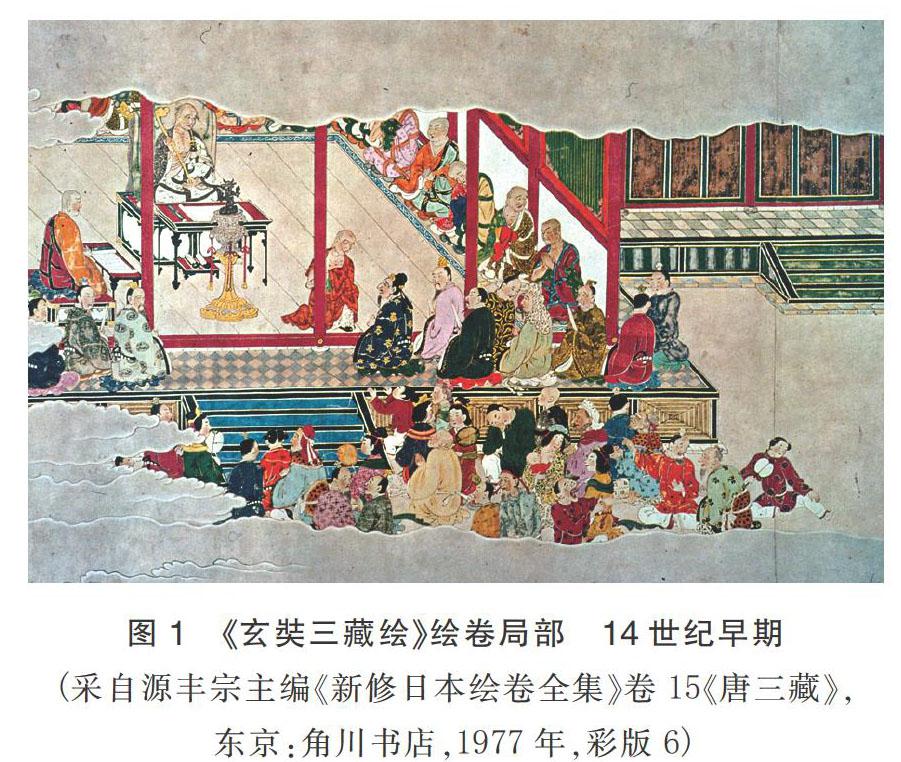

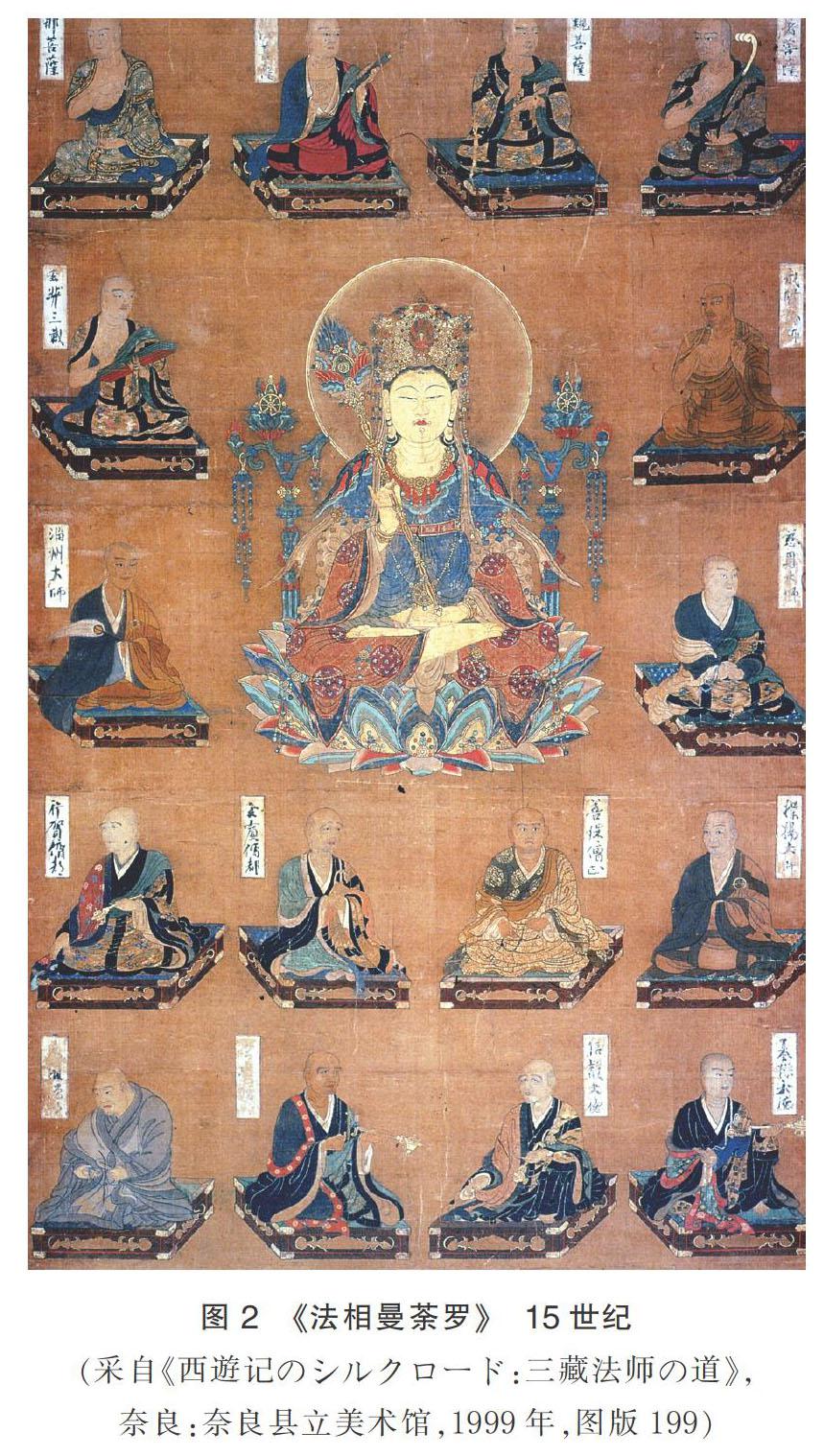
内容摘要:玄奘大师历尽艰辛,西行求法;翻经译书,创立法相宗,生前身后,无限荣光,尤其是在中国和日本,被视为圣人或圣僧。玄奘崇拜包含四个不同的传统:中国主流文学传统、日本佛教祖师崇拜传统、汉藏佛教和日本宗教圣像传统、中国民俗传统。在这四个文化传统中,玄奘被赋予了不同的尊格,分别是佛教导师和翻译家,是佛教宗派创立者;既是虔诚的朝圣者和信仰的传播者,又是超自然力量的见证者和获得者。玄奘大师的多重角色,反映了中世纪早期佛教与中国传统文化的互动和融合,佛教传播到其他文化领域所发生的嬗变,上层精英文化和民间信仰的区别以及视觉与文学艺术形式的交织。
关键词:玄奘;祖师肖像画;行脚僧;西游记;祖师崇拜;圣人传记;圣僧
中图分类号:K879.4 文献标识码:A 文章编号:1000-4106(2016)02-0016-16
Abstract: In East Asian Buddhism, Xuanzang was revered as a saintly figure for his contributions: his pilgrimage to India to seek authentic Buddhist texts, his translations of them, and his founding of the Faxiang School of Buddhism. This essay examines four separate traditions in which he was revered: 1) the orthodox literary tradition in China; 2)the founder worship tradition in Japan; 3)the religious icon tradition in China, Japan, and Tibet, and; 4)the folkloric tradition in China. Each honored the man in a different role. Respectively, these were as a great Buddhist teacher and translator, the founder of a Buddhist sect, a pious pilgrim and transmitter of the faith, and as a witness to and recipient of supernatural help. Through a study of the artifacts associated with Xuanzang, the essay explores the processes by which he was transformed into a saintly figure. The manifold images of Xuanzang reflected the interaction and synthesis of Chinese and Indian Buddhist traditions that began during the early medieval period, further transformations when transmitted to other cultures, distinctions between elite and popular worship, and the intertwining of visual and literary forms of art.
Keywords: Xuanzang; portraits of religious founders; itinerant monks; Journey to the West; founder worship; sacred biography; saint
玄奘(600—664),初唐时期著名的佛教修行者、翻译家,在诸多国家备受景仰,并由此启发不同的视觉形象的塑造以及纪念性物品的制作。在东亚美术传统中,玄奘法师更多地被描绘成一位脚踏草鞋、背负经书朝圣的行脚僧。此外,《西游记》中的唐僧形象同样广为人知。在这部小说里,吴承恩虚构了玄奘在神猴以及其他各色人物的陪同下前往印度的一次旅程。
这两种类型的视觉图像同时出现于12、13世纪,表明以玄奘为中心的崇拜信仰的发展和加强。然而,行脚僧形象大概较早见于甘肃敦煌莫高窟9、10世纪的画卷和壁画之中,并且大多表现为中亚胡僧。……