电动汽车充电设备计量准确性提升技术研究
2021-11-07赵岩
赵岩

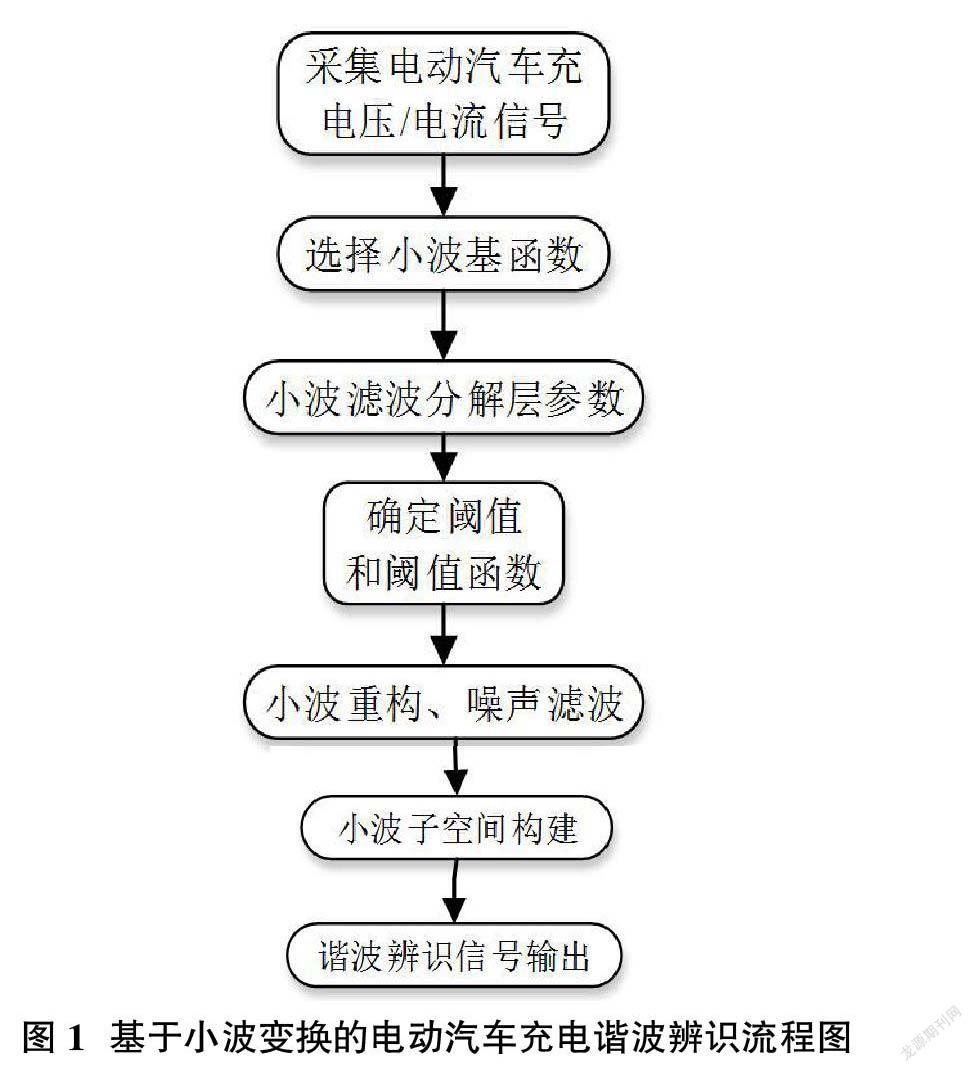


摘要:针对不同充电模式和方法下的动态特性对计量产生的影响问题,以分析电动汽车充电负荷对电网影响因素、改进电动汽车充电计量准确度,研究电动汽车充电负荷对计量的影响因素以及电动汽车高速充电冲击性负荷的特性,提出针对电动汽车充电谐波计量和冲击负荷计量的方法,通过仿真分析进行了验证,小波变换计量的基波和谐波的精度较FFT算法低,但对非稳态波(三角形冲击波)的计量精度较FFT算法更高。
Abstract: Aiming at the impact of dynamic characteristics under different charging modes and methods on the measurement, to analyze the influence factors of electric vehicle charging load on the grid, improve the accuracy of electric vehicle charging measurement, and study the influence factors of electric vehicle charging load on measurement and the high speed of electric vehicles. The characteristics of charging impulse load, the method for electric vehicle charging harmonic measurement and impulse load measurement is proposed, which is verified by simulation analysis. The accuracy of wavelet transform measurement of fundamental wave and harmonic is lower than that of FFT algorithm, but it is not stable. The measurement accuracy of the wave (triangular shock wave) is higher than that of the FFT algorithm.
關键词:电动汽车;充电;电能计量;FFT
Key words: electric vehicle;charging;electric energy measurement;FFT
中图分类号:TM933.4 文献标识码:A 文章编号:1674-957X(2021)21-0227-03
0 引言
电动汽车是以低碳环保技术推动节能减排的重要着力点之一,在新型电力系统建设中占据重要位置,愈加受到关注和重视。近年来,依靠国家政策扶持和先进技术支撑,国内电动汽车产业得到蓬勃发展,产业规模和技术储备得到大幅提升。在可见的未来,电动汽车的推广程度将越来越广泛,因此,对电动汽车充电特性的研究必不可少。电动汽车充电特性对现有电力系统运行的影响密不可分,也将深刻改变电网规划运行。按照现有技术标准可将电动汽车充电分为三种,分别是慢充、常规充电和快充[1],根据充电模式的不同,其充电负荷特性也不相同。
电动汽车蓄电池充电属非线性负载,充电过程中会产生谐波,谐波会对电网造成谐波污染,引起线路或变压器附加损耗增加和发热,造成系统的电感、电容发生谐振,使谐波进一步放大。……