水肥耦合对干热河谷冬春番茄产量及其品质的影响
2021-09-14王艳丹何光熊杨淏舟岳学文余建琳史亮涛方海东
王艳丹 何光熊 杨淏舟 岳学文 余建琳 史亮涛 方海东
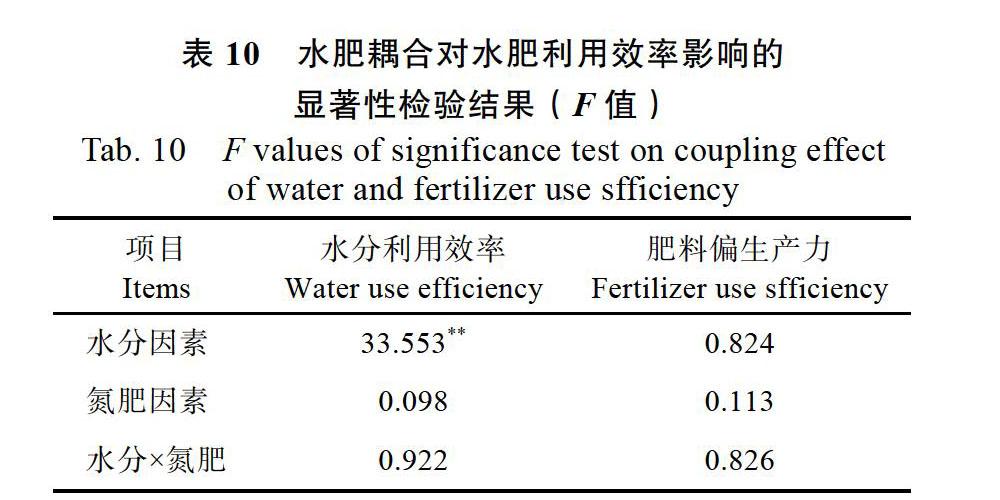
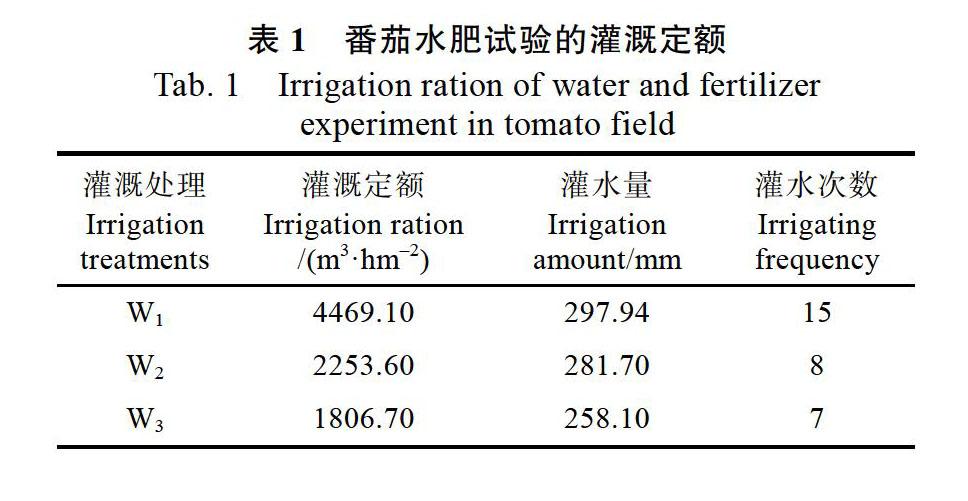
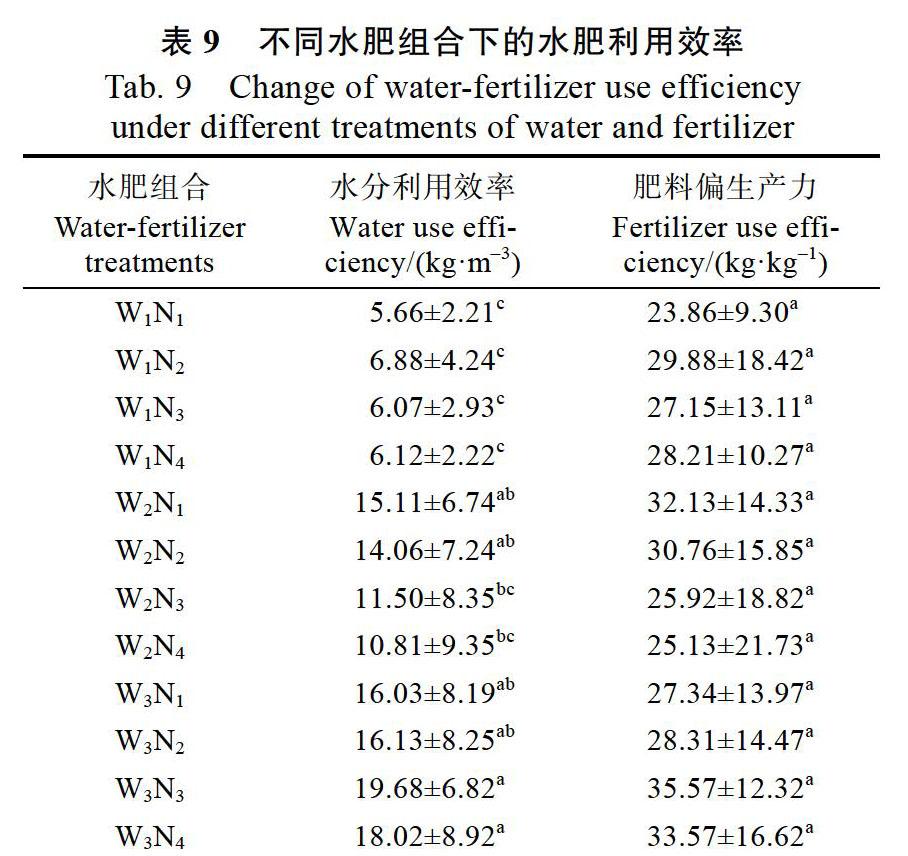
摘 要:干热河谷等“热区”以其充足的光照及相对较高的温度为冬春季蔬菜生产提供了重要条件,合理的水肥管理是保障区域蔬菜产业可持续发展及农业环境安全的重要举措。為提高西南热区特色作物水肥管理能力,巩固北方冬春蔬菜供应链,设置不同灌溉量(4469.10、2253.60、1806.70 m3/hm2)和施氮量(240、210、180、150 kg/hm2)2个因子,在元谋干热河谷开展冬春季节番茄大田试验,分析比较不同水氮处理对番茄产量、品质及其水肥利用效率的影响。结果表明:(1)降低灌溉定额后,番茄单果重显著增加(P<0.05),总产量无显著差异(P>0.05),番茄果横径和果梗洼大小显著增加(P<0.05),糖含量和番茄红素显著降低(P<0.05),水分利用效率显著提高(P<0.05);(2)氮肥施用量显著影响番茄果梗洼大小(P<0.05);(3)水氮耦合作用显著影响糖含量和番茄红素(P<0.05),番茄产量和品质更易受水分供应限制,而受氮肥影响较小。结果显示元谋冬春茬番茄传统种植模式存在过量灌溉和过量施肥的现象,选择低水(灌溉定额1806.70 m3/hm2)中氮(180 kg N/hm2)的水肥管理策略,保产的同时能有效提高番茄水分利用效率,能产出品质较好的番茄,同时减小环境污染风险。
关键词:番茄;灌溉;氮肥;水肥耦合;水肥利用效率
Abstract: “Hot region” with sufficient light and relatively high temperature provide important conditions for vegetable production in winter and spring. Reasonable water and fertilizer management is an important measure to ensure the sustainable development of vegetable industry and the safety of agricultural environment in this region. The purpose of our experiment is to improve the water and fertilizer management ability of special agriculture crop in the hot region of southwest China, to reinforce the supply chain of winter and spring vegetables in north China. The field experiment of tomato in winter and spring was carried out in Yuanmou dry-hot valley, two factors of different irrigation ration (4469.10, 2253.60, 1806.70 m3/hm2) and different nitrogen application amount (240, 210, 180, 150 kg/hm2) were set to analyze the coupling effect of water and nitrogen on tomato yield, quality, water and fertilizer use efficiency. With the reduction irrigation ration, the weight of single tomato significantly increased (P<0.05), but no significant difference in yield (P>0.05), the fruit diameter and the size of stem also significantly increased (P<0.05), sugar content and lycopene content of tomato significantly decreased (P<0.05), and water use efficiency significantly improved (P<0.05). Application amount of nitrogen fertilizer significantly influenced the size of stem (P<0.05). The coupling effect of water and nitrogen significantly affected the sugar content and lycopene concentration (P<0.05). The yield and quality of tomato were more restricted by water supply and less affected by nitrogen fertilizer. The results indicated that there were excessive irrigation and fertilization in the traditional plantation mode of tomato in winter and spring in Yuanmou, the water and fertilizer management strategy with lower water (irrigation ration of 1806.70 m3/hm2) and medium nitrogen (180 kg N/hm2) could ensure the production of tomato, effectively improve water use efficiency, produce tomatoes with better quality, and reduce the risk of environmental pollution.
Keywords: tomato; irrigation; nitrogen fertilizer; water-fertilizer coupling; water and fertilizer use efficiency
长期以来,我国蔬菜栽培都采用“大水大肥”的传统管理方式,番茄生产中盲目增施化肥以获得高产是一种普遍现象[1-2],这种管理方式直接导致了土壤质量退化、环境污染等问题[3],最终影响番茄的品质和产量。新形势下我国农业供给侧改革的一项重要工作就是“一控两减”,即控制农用水总量,减少化肥、农药用量[4]。水分和养分是农业生产管理中最重要的措施,尤其在干旱、半干旱地区,水肥耦合效应影响植物对水分、肥料的吸收,直接作用植物的生长[5]。目前,减少化肥投入量以提高土壤肥力、减轻环境污染已经受到极大关注。
干热河谷是我国西南一类独特的生态系统[6],良好的光照及冬季高温为冬早蔬菜的生产提供了极好的条件,受经济驱动作用,番茄等冬早蔬菜生产成为区域支柱产业,并对我国北方等地区的蔬菜供应方面起到重要作用[7]。……
