基于模态分析的发动机表面振动预测分析
2021-09-10梁永勤张军
梁永勤 张军
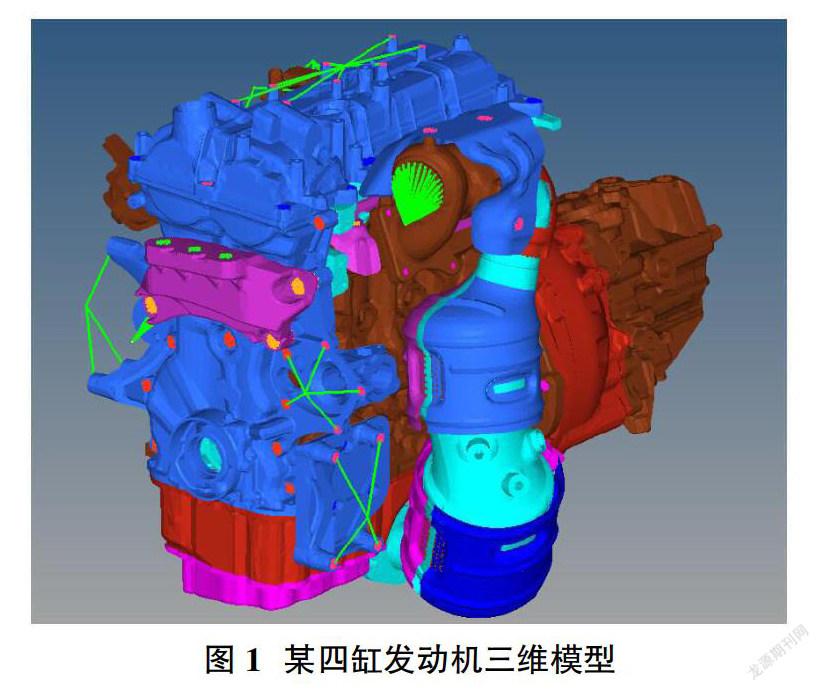

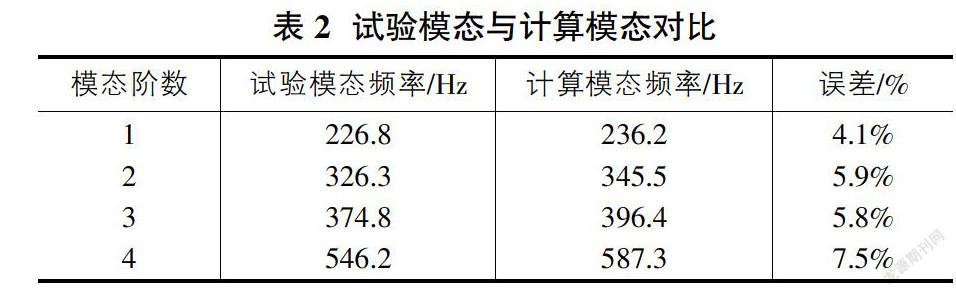
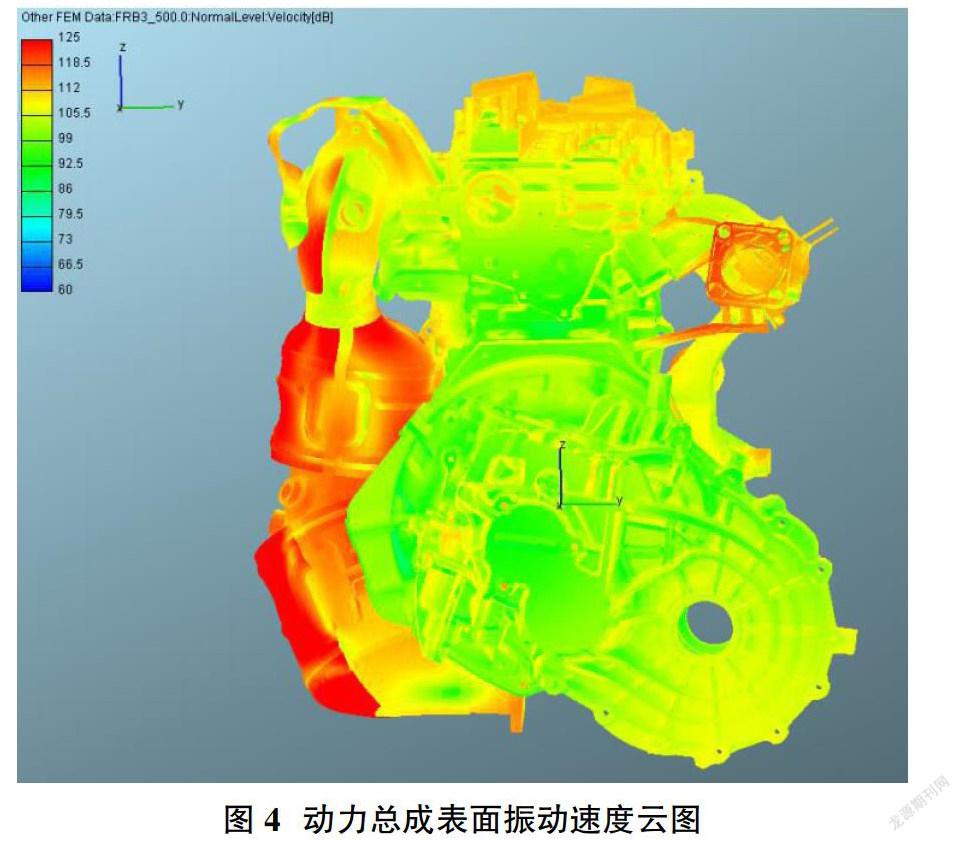
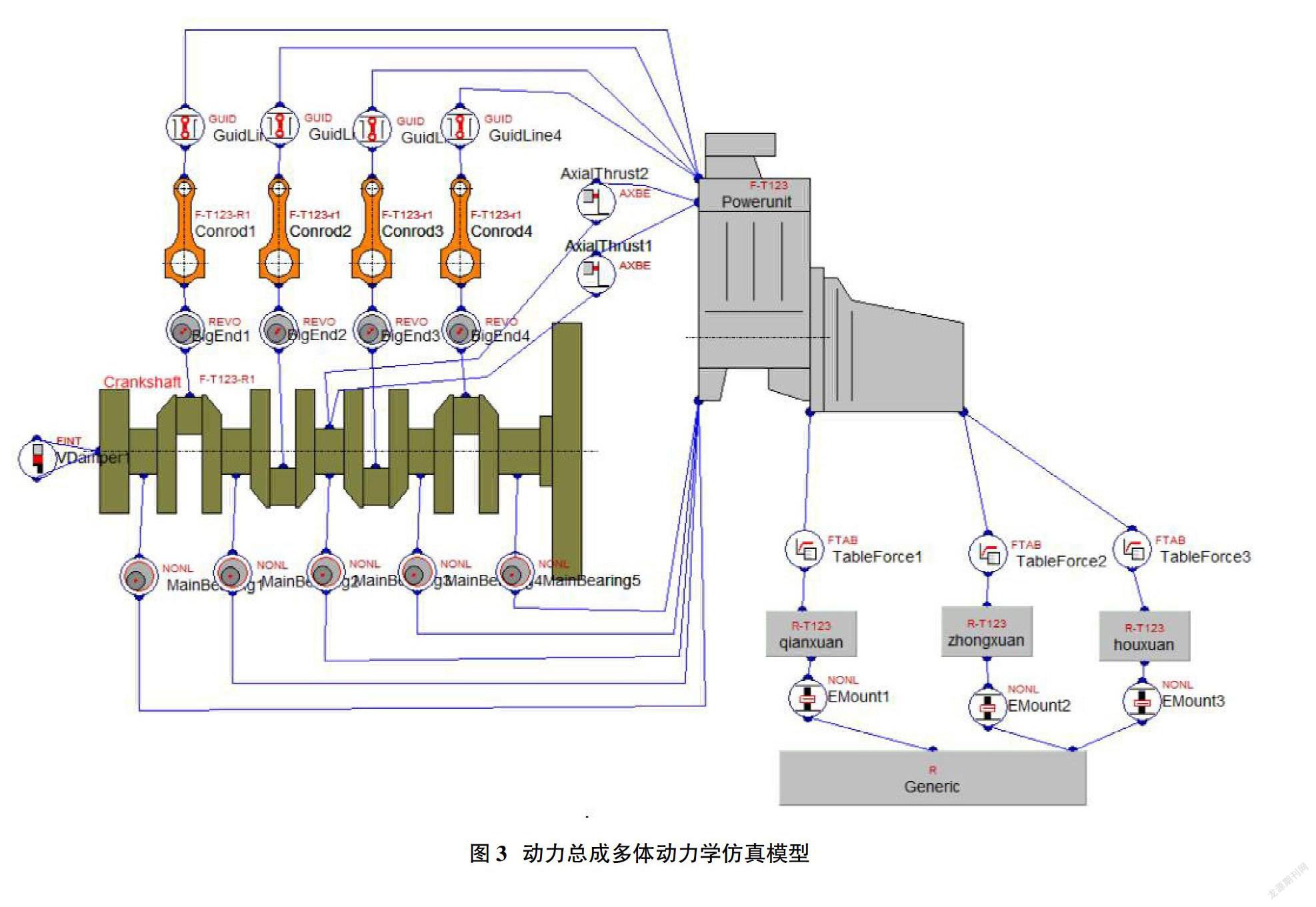


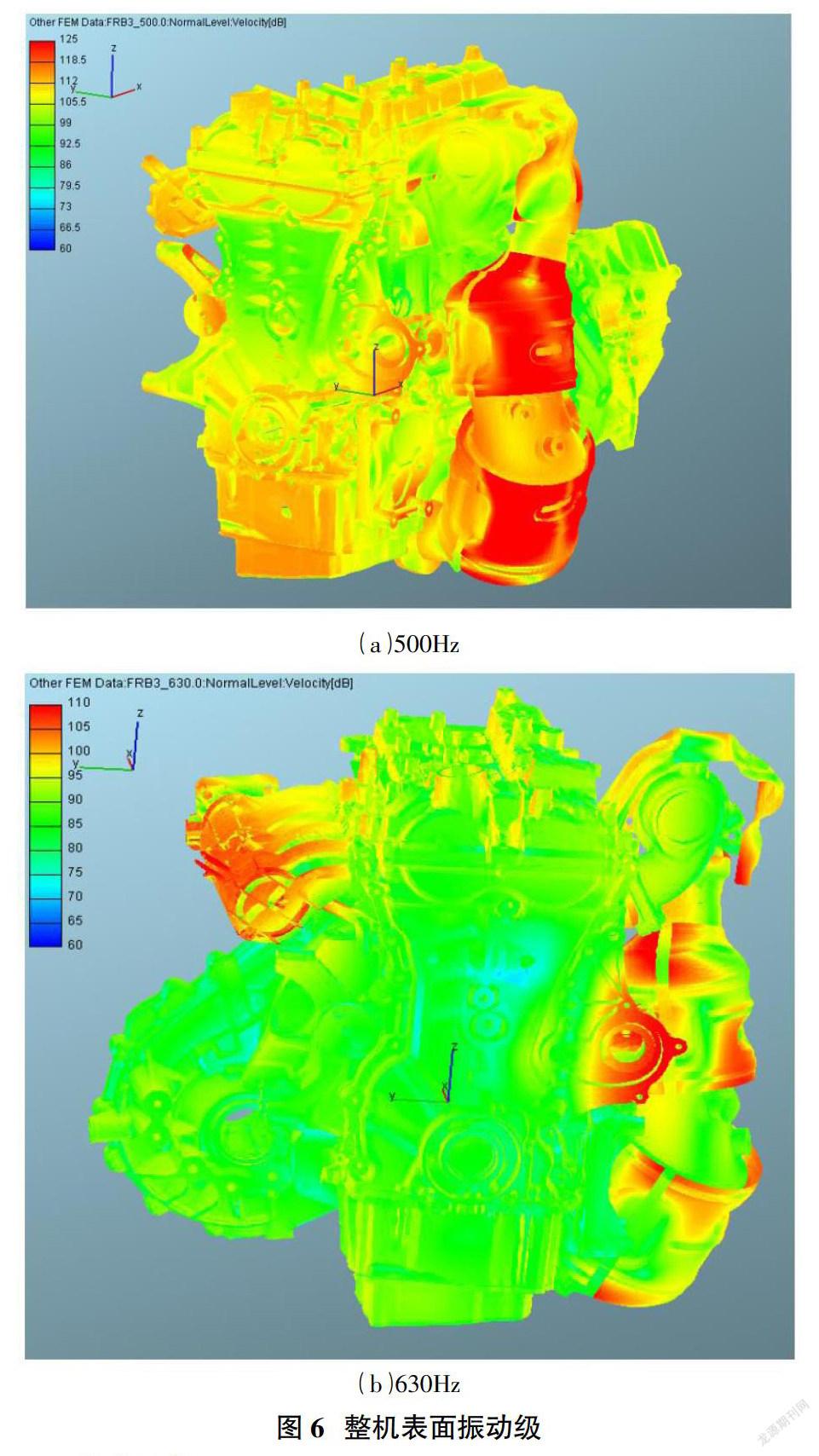
摘要:以某发动机动力总成为对象,采用多参考点最小二乘复频域法,通过模态试验测得振动响应,以获得发动机模态参数及振型。同时采用有限元-多体动力学-边界元相结合的方法,对其声场和表面振动速度进行预测。结果表明:该发动机前四阶模态主要以弯曲和绕X轴一阶扭转为主,发动机辐射噪声能量及表面振动主要集中在进、排气侧,频带为450~650Hz。研究结果为发动机设计改进提供依据,对发动机设计具有较强的实用价值。
Abstract: Taking a certain engine powertrain as the object, using the multi-reference point least squares complex frequency domain method, the vibration response is measured through modal tests to obtain engine modal parameters and vibration shapes. At the same time, the combination of finite element-multibody dynamics-boundary element method is used to predict the sound field and surface vibration velocity. The results show that the first four modes of the engine are mainly bending and first-order torsion around the X axis, and the engine radiated noise energy and surface vibration are mainly concentrated on the intake and exhaust sides, with a frequency band of 450 Hz to 650 Hz. The research results provide a basis for the improvement of engine design and have strong practical value for engine design.
关键词:动力总成;模态分析;辐射噪声;振动预测
Key words:powertrain;modal analysis;radiation noise;vibration prediction
中图分类号:S219.031 文献标识码:A 文章编号:1674-957X(2021)11-0070-03
0 引言
发动机动力总成是汽车的主要噪声振动来源之一,其特性将直接影响汽车的NVH(noise,vibration and harshness),对发动机动力总成的设计和优化需确定准确的模态参数,为后续有限元-多体动力学联合仿真确定准确有效的仿真模型。张武等对动力总成悬置系统运行模态进行了研究[1],指出多参考点最小二乘复频域法对密集模态系统参数识别精度较高。张云侠在对3100QB柴油机体模态分析中指出,模态分析是下一步的发动机设计及优化的基础工作,意义重大[2]。Ugur Olmez对某柴油发电机进行了模态分析和噪声预测,获得了发电机组的高频噪声频率范围。对发动机及其主要零部件进行模态分析,设定一定的目标值[4-6],在设计阶段就能够从减振降噪的出发点改善发动机结构,缩短设计开发周期,取得较好的结果。
因此,本文以某发动机为研究对象……