锌离子对血管细胞的毒性及其机理研究
2021-09-10王玄

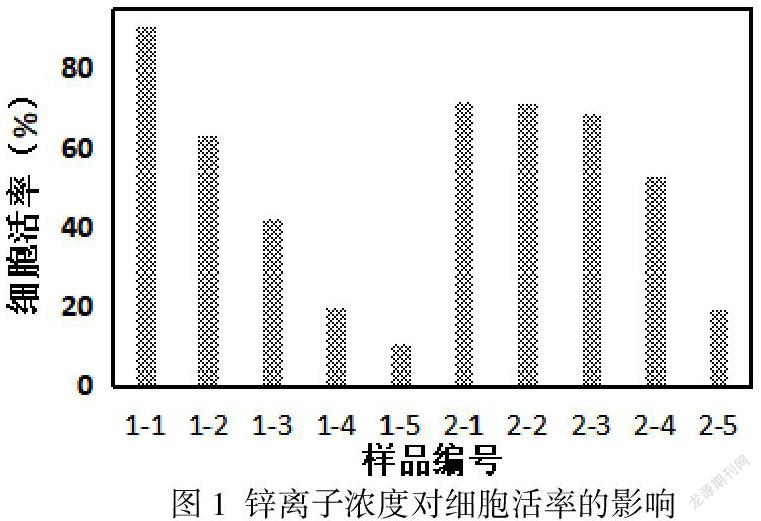
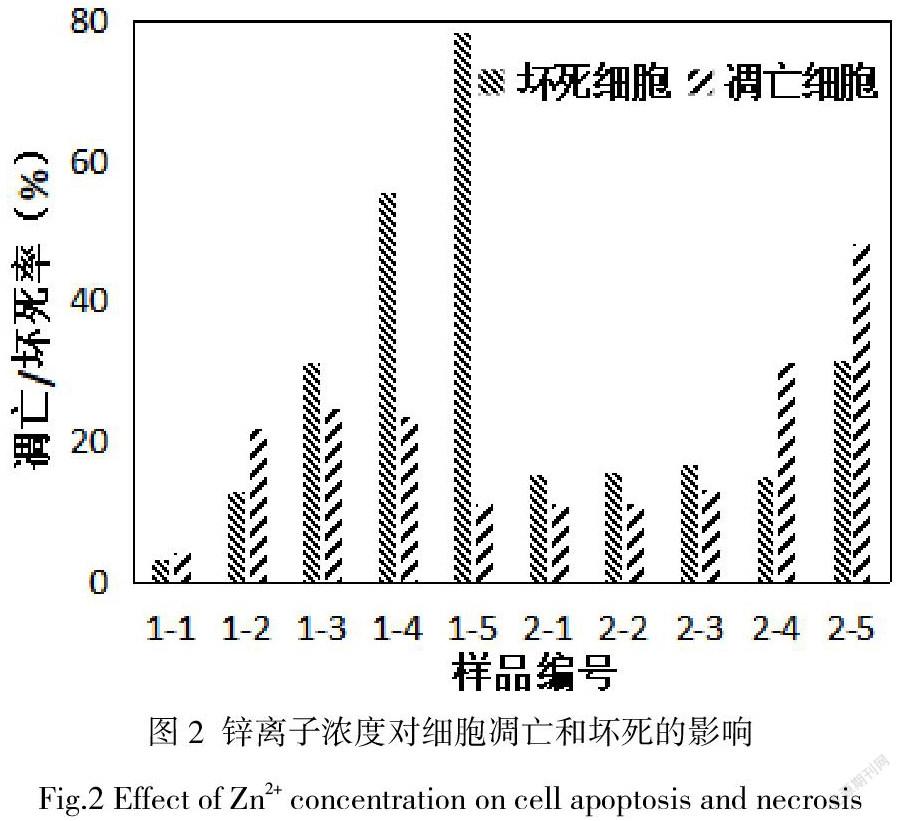
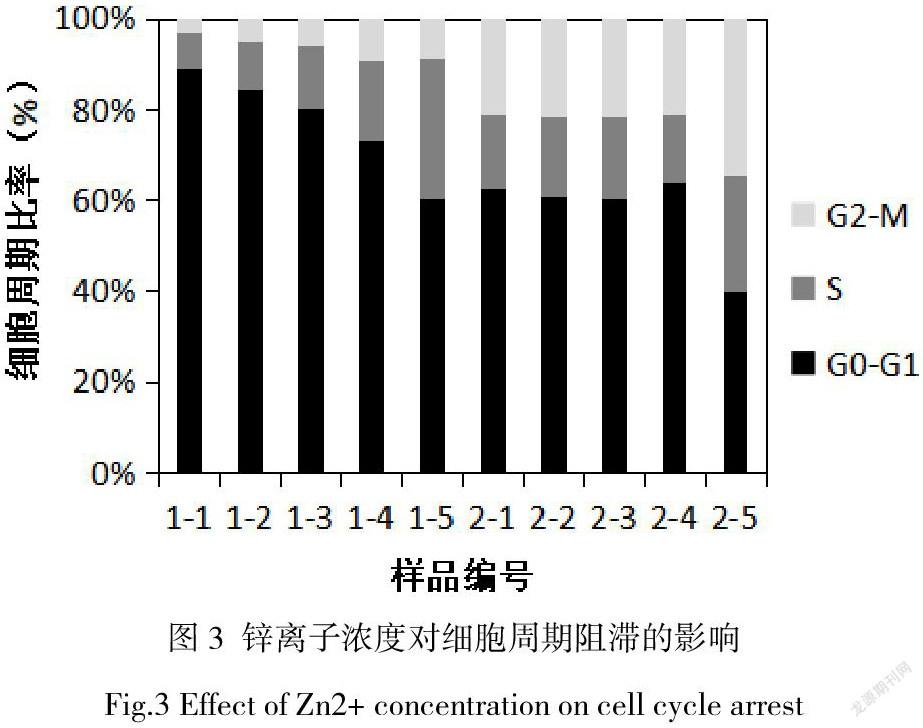
摘要:金属锌是一种潜在的血管可降解支架材料,研究金属锌降解产生的离子对血管细胞的毒性及致机理,对可降解金属锌支架的研究与开发有重要参考价值。本文研究了不同浓度的Zn2+对血管内皮细胞与平滑肌细胞毒性及致毒机理。结果表明,对于不同细胞类型,Zn2+的毒性及作用机制均不相同。低浓度的Zn2+对内皮细胞的毒性低于对平滑肌细胞的毒性。随着浓度的升高内皮细胞对Zn2+的毒性更加敏感,其主导的致死机制为不利于机体的细胞坏死。而平滑肌细胞的致死率直至Zn2+浓度到达300 µM才明显提高,其主要致死机制为不会对机体造成负面损伤的细胞凋亡。除致死毒性外,Zn2+还会造成内皮细胞的S期阻滞及平滑肌细胞的S期和G2-M期阻滞。
关键词:锌离子,血管内皮细胞,血管平滑肌细胞,细胞凋亡,细胞坏死,细胞周期阻滞,毒性机理
Abstract: Zinc is a potential biodegradable vascular scaffold material.Study the toxicity of Zn2+ to vascular cells and the mechanism of toxicity is important to the research and development of zinc vascular scaffolds.In this paper, the toxicity of different concentrations of Zn2+ to vascular endothelial cells and smooth muscle cells were tested.The corresponding toxicity mechanism were studied.The results showed that the toxicity and mechanism were different for different cell types.The toxicity of low concentration of Zn2+ to endothelial cells was lower than that to smooth muscle cells.With the Zn2+ increasing, endothelial cells became more sensitive to the toxicity of Zn2+.The leading cell death mechanism was cell necrosis, which was unfavorable to vascular tissue.However, the death rate of smooth muscle cells was not obvious until the concentration of Zn2+ reached 300 μM.The smooth muscle cell death mechanism was apoptosis which did not cause negative damage to the tissue.In addition to toxicity leading to cell death, Zn2+ also caused S phase arrest of endothelial cells and S phase and G2 to M phase arrest of smooth muscle cells.
Key words: Zn2+; Vascular endothelial cells; Vascular smooth muscle cells; Cell apoptosis; Cell necrosis; Cell cycle arrest; Toxicity mechanism
冠脉血管狭窄导致的心肌梗死为人类健康的一大杀手,其主要治疗手段为冠脉血管支架介入治疗术。1血管支架在病变处扩张,使血流畅通,从而恢复心肌细胞的血供。临床上使用的冠脉支架一般由不锈钢、Pt等金属材料制备,这些材料在体内不可降解,长期遗留在体内作为异物刺激血管,存在血管再狭窄的风险。因此,开发安全有效的可降解支架成为一种临床需求。2高分子材料为可降解支架的主要备选材料,但高分子材料本身机械支撑力弱,不适于大血管病变,而金属材料本身具有强度的优势,因此开发可降解金属支架具有重要的意义。……
