杭州烟霞洞吴越国罗汉造像题记的新发现及初步研究
2021-09-03浙江省博物馆历史文物部杭州西湖风景名胜区钱江管理处
浙江省博物馆历史文物部 杭州西湖风景名胜区钱江管理处
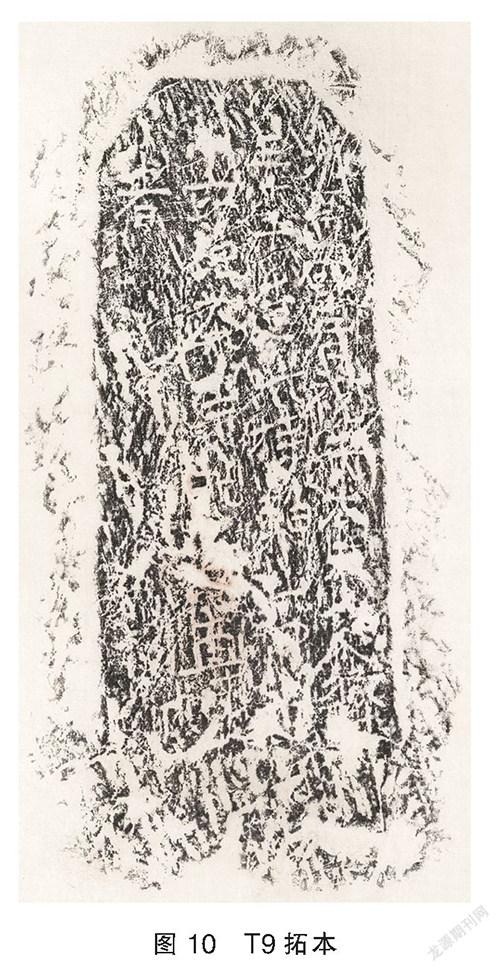

内容摘要:杭州烟霞洞罗汉造像是五代吴越国罗汉造像的典型代表。2021年,浙江省博物馆历史文物部与杭州西湖风景名胜区钱江管理处在烟霞洞新发现了9处五代吴越国时期的罗汉造像题记。题记显示烟霞洞罗汉造像群开凿于吴越广顺三年(953)左右。十八罗汉,是目前我国现存最早的十八罗汉造像,表明烟霞洞造像与《法住记》的关系十分密切。
关键词:吴越国;十八罗汉;《法住记》
中图分类号:K879.3 文献标识码:A 文章编号:1000-4106(2021)06-0059-12
Newly Discovered Inscriptions on the Arhat Statues of
the Wuyue Kingdom in the Yanxia Cave, Hangzhou
Cultural Heritage Division of Zhejiang Provincial Museum1
Qianjiang Administrative Office for West Lake Scenery in Hangzhou2
(1. Hangzhou, Zhejiang 310000; 2. Hangzhou, Zhejiang 310000)
Abstract:The arhat statues in Yanxia Cave, Hangzhou are typical of the Buddhist statuary of the Wuyue Kingdom during the Five Dynasties. While conducting a joint investigation of the cave temples in Zhejiang Province in 2021, the Cultural Heritage Division of the Zhejiang Provincial Museum and the Qianjiang Administrative Office for West Lake Scenery in Hangzhou discovered nine inscriptions related to statues of arhats dating to the Wuyue Kingdom period of the Five Dynasties. These inscriptions indicate that the statues were created in about the third year of the Guangshun era (953) during the rule of the Wuyue Kingdom as a depiction of the Eighteen Arhats. This discovery marks the earliest physical example of statues expressing the theme of the Eighteen Arhatsin China. Together with other engravings from the same period, these inscriptions suggest that the arhat statues were closely associated with the Nandimitra Vadana translated by Xuan Zang.
Keywords:Wuyue Kingdom; Eighteen Arhats; Nandimitra Vadana
(Translated by WANG Pingxian)
一 烟霞洞罗汉造像题记新发现的缘起
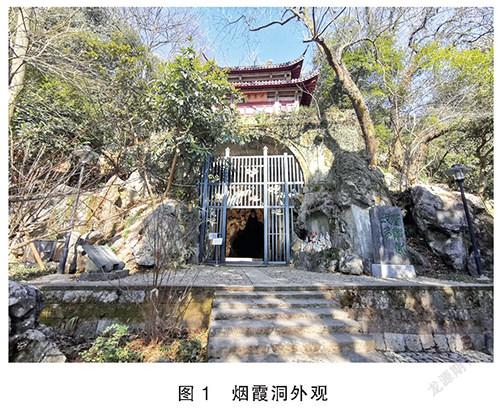
烟霞洞位于浙江省杭州市西湖区南高峰西南翁家山,是石灰岩溶蚀而成的南北向长条形天然溶洞,洞口高3.6米,宽4.3米,洞深约30米,外宽内窄,逐渐向内收缩,后半部分最窄处仅宽1.1米。洞前原有五代吴越国时期(下称吴越时期)的烟霞院,广顺三年(953)建,北宋中期改额清修院(图1){1}。烟霞洞造像,实为吴越时期烟霞院造像,利用烟霞洞天然岩洞雕刻而成,约开凿于建院之初,有佛、菩萨、明王、罗汉、塔等。其中数量最多、体形硕大的罗汉造像群,是烟霞洞造像的主体。
关于烟霞洞罗汉的雕造缘起,是北宋始已流传颇具传奇色彩的罗汉故事。南宋《淳祐临安志》引北宋《祥符杭州图经》(1010年成书)云:“晋开运元年(944),有僧弥洪结庵洞口。遇一神人指此山后有圣迹,何不显之?洪寻至山后,乃见一洞,内有石刻罗汉六尊。洪既亡,吴越王钱氏忽梦僧告云,吾有兄弟一十八人,今方有六,王可聚之。……