压缩感知在电能质量扰动信号中的应用研究
2021-08-28张瀚文
张瀚文

【摘 要】近几年,对压缩感知理论的研究逐渐增多,能有效解决传统采样模式中数据采集数量巨大且采样处理时间长等问题,建构更加完整的信息数据处理模式,将其应用在电能质量扰动信号管理中,能更好地减少扰动问题产生的影响。论文分析了压缩感知理论,并着重讨论了压缩感知理论在电能质量扰动信号中的具体应用。
【Abstract】In recent years, the research on compressed sensing theory has gradually increased, which can effectively solve the problems of large amount of data collection and long sampling processing time in the traditional sampling mode, construct a more complete information data processing mode, and apply it to the management of power quality disturbance signal, which can better reduce the impact of disturbance problems. This paper analyzes the theory of compressed sensing, and emphatically discusses the specific application of compressed sensing theory in power quality disturbance signal.
【关键词】压缩感知理论;电能质量扰动信号;压缩重构算法;信号分类识别
【Keywords】compressed sensing theory; power quality disturbance signal; compressed reconstruction algorithm; signal classification and recognition
【中图分类号】TM711 【文献标志码】A 【文章编号】1673-1069(2021)09-0171-03
1 引言
伴随着科学技术的不断发展进步,新兴电力设备非线性负载问题受到了广泛关注,利用压缩感知理论进行数据采样压缩,在获取数据后进行算法重构信号处理,能在优化信号检测时效性的同时,更准确地完成信号分类识别工作。
2 压缩感知理论概述
2.1 压缩感知理论的基本框架
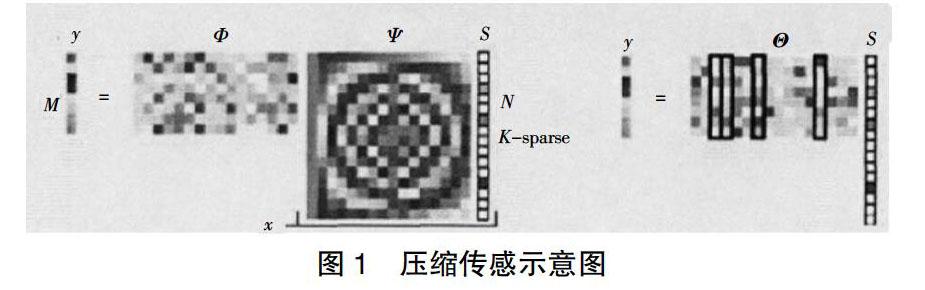
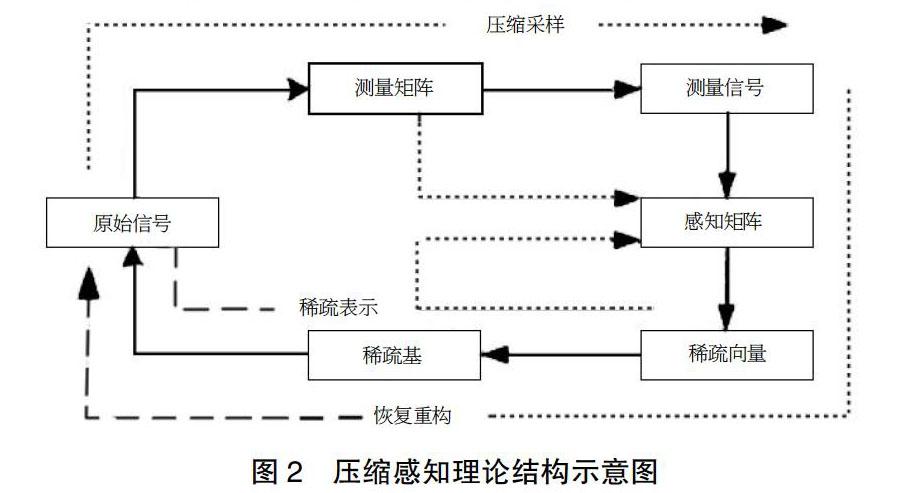
在传统的信号处理模式中,主要是借助Nyquist处理方法,在输入信号后,借助Nyquist进行采样处理,然后建立数据压缩模式,在存储传输后完成解压缩,最后实现数据信号的输出。这种处理方式采样频率要在数据频率宽带的2倍左右,这就大大提升了对硬件设施的要求,且会造成较大的资源浪费。基于此,针对传统信号处理模式的革新和升级受到了广泛关注,压缩感知理论也应运而生。在实际应用中,压缩感知理论是基础性信号获取处理模式,对信号提出的要求是要在固定的稀疏性范围内,因此,对宽带大小的要求较低。……