以竹屑为主要培养基质的食用菌营养成分差异及评价
2021-08-26彭超蔡春菊涂佳孟勇李美群杨明艾文胜
彭超 蔡春菊 涂佳 孟勇 李美群 杨明 艾文胜
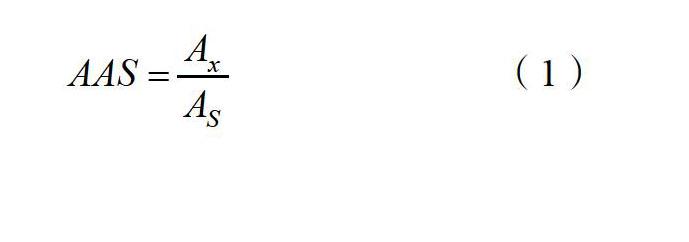
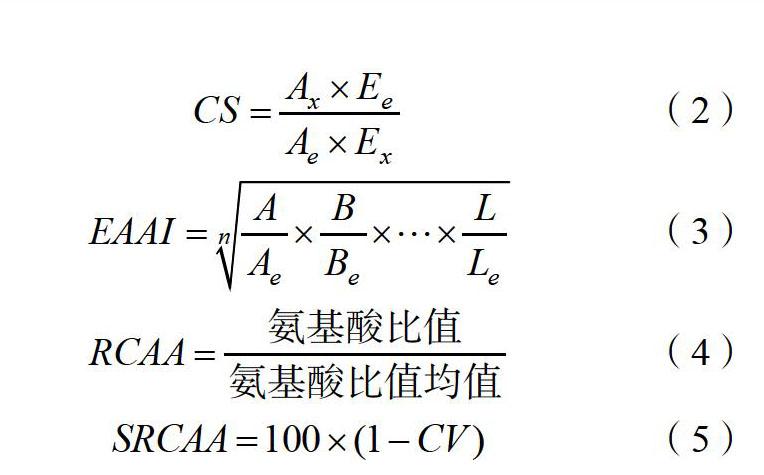
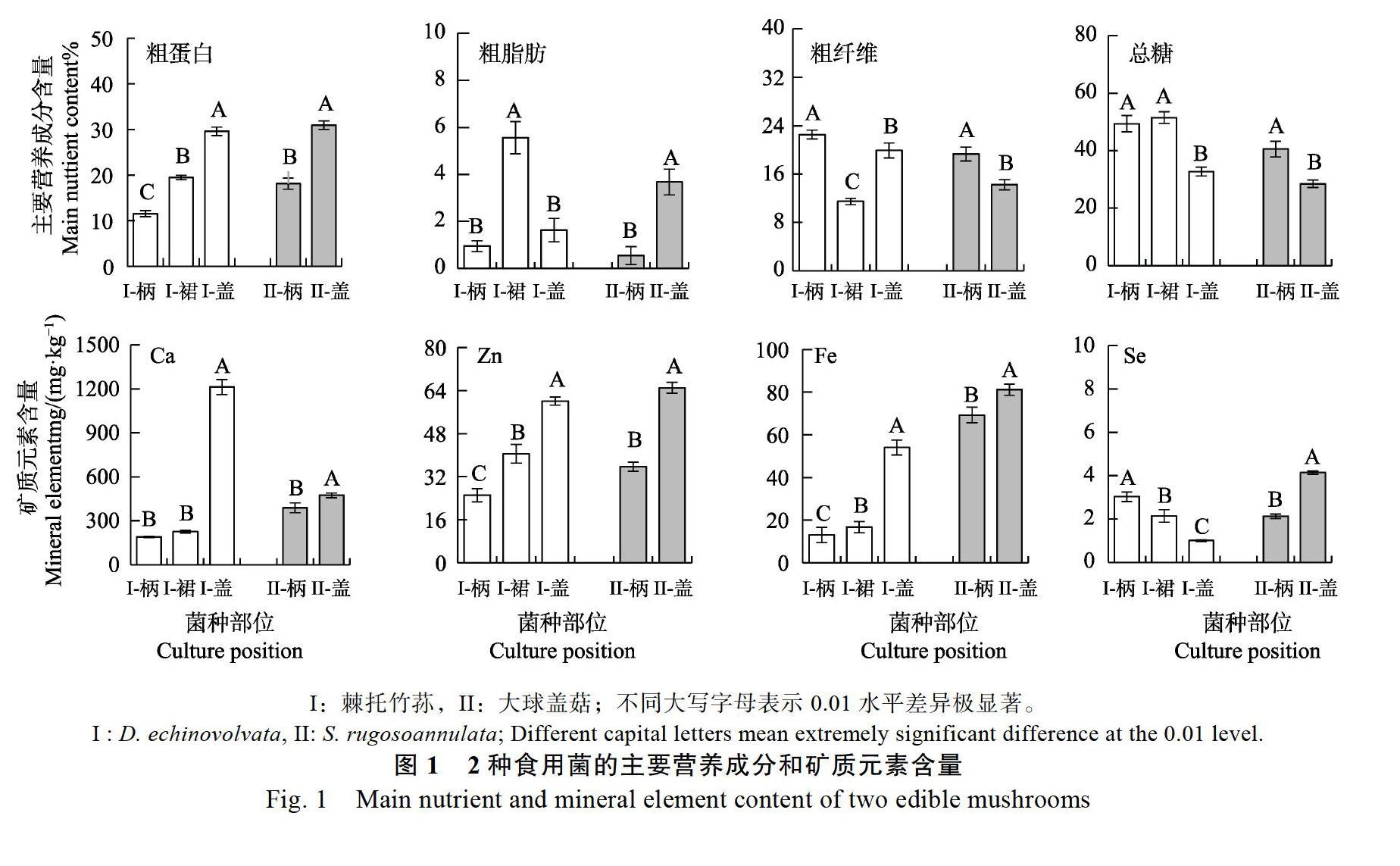
摘 要:采用國际通用的FAO/WHO模式中的氨基酸评分结合氨基酸比值系数法,对竹屑为主要培养基质的棘托竹荪(Dictyophora echinovolvata)和大球盖菇(Stropharia rugosoannulata)各部位进行营养成分分析和评价,为竹加工剩余物在食用菌栽培中的利用提供参考。结果表明,2种食用菌主要营养成分、矿质元素和氨基酸含量在种间及部位间差异明显,菌(菇)柄氨基酸含量极显著低于其他部位(P<0.01),其中,棘托竹荪部位间的氨基酸总量差异大于大球盖菇。但棘托竹荪的必需氨基酸含量高于大球盖菇,其中菌裙养分含量更接近于鸡蛋。AAS、CS和RCAA表明,2种食用菌的苏氨酸(Thr)和苯丙氨酸+酪氨酸(Phe+Tyr)含量偏高(RCAA>1.0),其余氨基酸多相对偏低(RCAA<1.0),两食用菌以赖氨酸(Lys)和甲硫氨酸+半胱氨酸(Met+Cys)为限制性氨基酸。棘托竹荪菌裙EAAI值最高,达到0.78,其菌盖和菌柄均小于0.75,大球盖菇各部位EAAI值也小于0.75,同时,棘托竹荪SRCAA值整体上低于大球盖菇。本研究认为2种竹基质食用菌营养成分在种间和部位分布差异明显,但均具有低脂肪、高纤维、富含矿质元素等特点,棘托竹荪的营养均衡性要低于大球盖菇,从营养角度证明了竹加工剩余物在食用菌培育的可行性。此外,本研究发现以竹屑为主要营养基质所生产的棘托竹荪菌裙可作为蛋白源,应注重加强相关产品研发。
关键词:竹屑培养基质;食用菌;营养成分;FAO/WHO模式;氨基酸比值系数法
中图分类号:S759.81 文献标识码:A
Difference and Evaluation of Nutritional Contents in Edible
Mushrooms Cultured with Main Medium of Bamboo Sawdust
PENG Chao1, CAI Chunju2, TU Jia1, MENG Yong1, LI Meiqun1, YANG Ming1, AI Wensheng1*
1. Hunan Academy of Forestry, Changsha,Hunan 410004, China; 2. International Center of Bamboo and Rattan, Beijing 100102, China
Abstract: An analysis of the difference and evaluation of nutritional contents of Dictyophora echinovolvata and Stropharia rugosoannulata cultivated with bamboo sawdust were conducted with FAO/WHO pattern and amino acid ratios coefficient (SRCAA). There were a high difference between species and components within primary nutrients, mineral elements and amino acids. The amino acid content in the stems of the mushrooms was highly lower than that of other parts (P<0.01). The difference of total amino acid content between diffetent parts of D. echinovolvata was higher than that of S. rugosoannulata. The content of essential amino acid in D. echinovolvata was higher than that of S. rugosoannulata, of which the content in mushroom skirt was closer to that of egg. AAS, CS and RCAA analysis indicated that the content of Thr and Phe+Tyr was higher in all mushrooms (RCAA>1.0), and most of the content of amino acids was lower (RCAA<1.0), both Lys and Met+Cys were the limiting amino acids for the mushrooms. The mushroom skirt of D. echinovolvata had higher EAAI value (0.78), and EAAI of other parts was lower than 0.75, S. rugosoannulata was also lower than the value, meanwhile, SRCAA value of S. rugosoannulata was overall higher than that of D. echinovolvata. Our study stated that although there were significant differences in nutritional distribution between species and parts, both of edible mushrooms had the characters of low fat, high fiber and mineral elements, D. echinovolvata had higher balanced nutrition than S. rugosoannulata, feasibility of cultivating mushrooms with medium of bamboo sawdust was proved from nutrient. Besides that, mushroom skirt of S. rugosoannulata cultivated by the bamboo sawdust could be used as protein source, relative products of which should be developed in further.
Keywords: culture medium of bamboo sawdust; edible mushroom; nutritional component; FAO/WHO pattern; amino acid ratios coefficient
DOI: 10.3969/j.issn.1000-2561.2021.07.032
竹子为一类具有高度经济、生态和文化价值的植物资源。近年来,竹林套种食用菌产业发展迅速,已成为竹林复合经营的重要模式之一[1]。相对于其他森林类型,竹林林相单一且常年郁闭,能为食用菌栽培提供天然遮阴条件,在生产中,通过适时调控竹林密度来满足不同食用菌对光照需求[2-3]。同时,竹林自然温差和光照条件的日变化和年变化有利于提高林产品的品质[4-5]。因此,发展竹下食用菌栽培,不仅能丰富竹林经营模式,提升竹林经营水平和质量,同时为偏远山区竹农致富提供新的途径。
培养基质为食用菌的主要营养源,基质组成对食用菌的产量、养分含量及出菇整齐度均有显著影响[6-7],因此,选择合适的基质对保证食用菌品质具有重要意义。传统食用菌以椴木屑、棉籽等为主要培养基质,在竹产区相应资源少,一定程度上增加了生产成本。……