基于递归模糊小波神经网络的INS-GNSS组合导航算法
2021-08-09于仁海曹春燕张闯房美含
于仁海 曹春燕 张闯 房美含
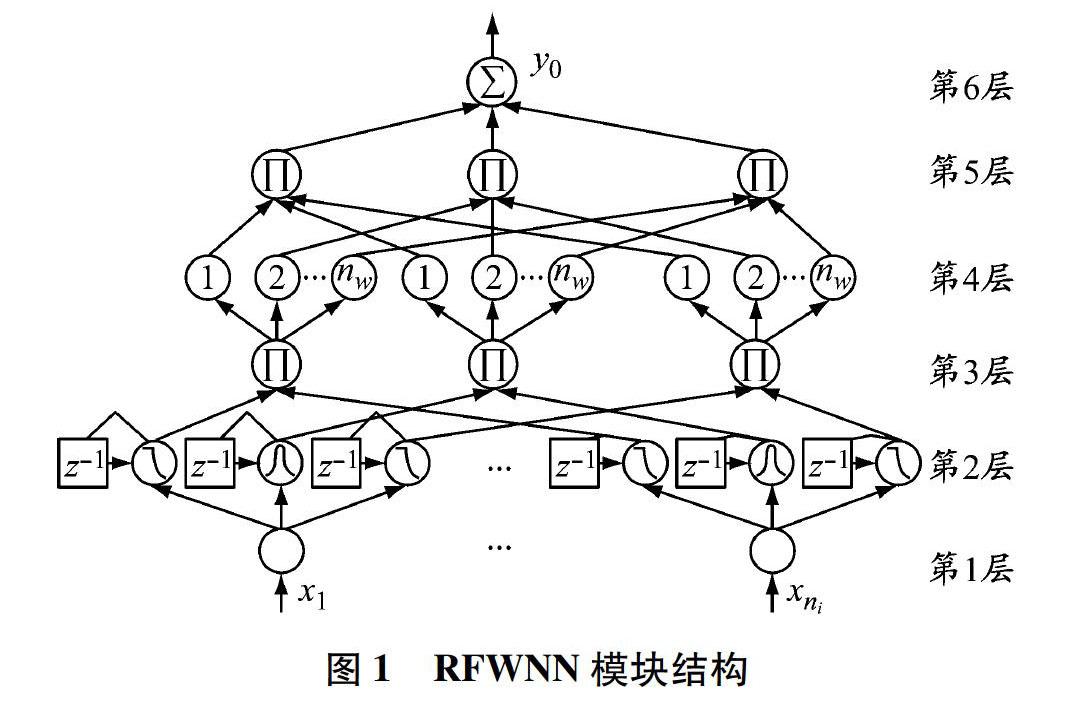
摘要:为提高惯性导航系统(inertial navigation system, INS)与全球卫星导航系统(global navigation satellite system, GNSS)相结合的组合导航系统在GNSS中断期间的精度,提出一种基于递归模糊小波神经网络(recurrent fuzzy wavelet neural network,RFWNN)的启发式神经网络结构,用于INS的速度和位置误差补偿。
在GNSS正常工作时,利用INS-GNSS数据将RFWNN训练成一个高精度的预测模型;在GNSS中断期间,利用被训练好的RFWNN模型补偿INS的速度和位置误差。
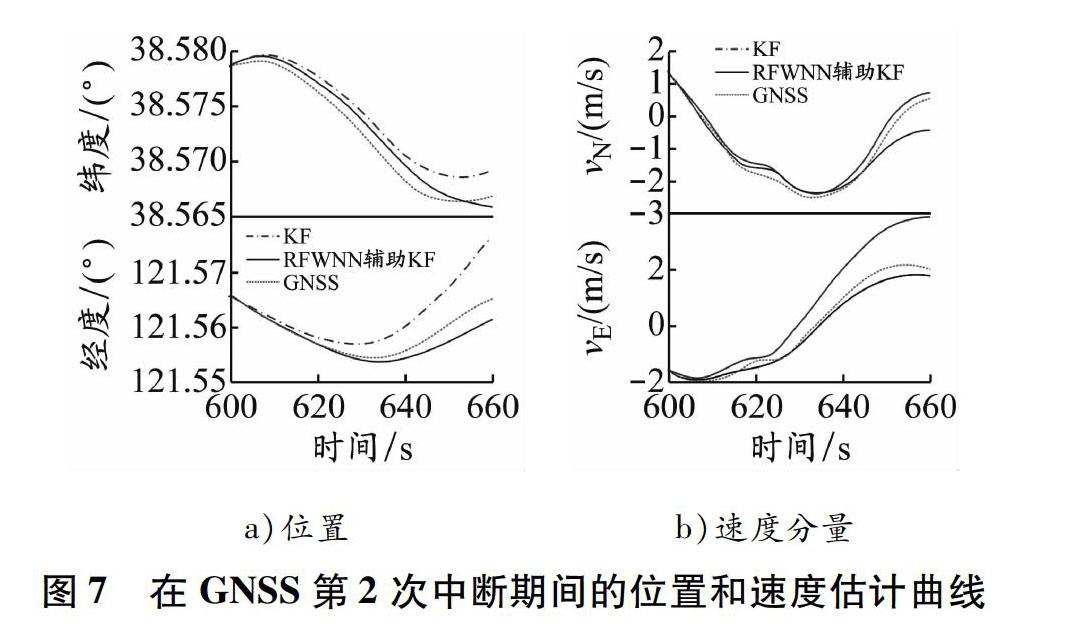
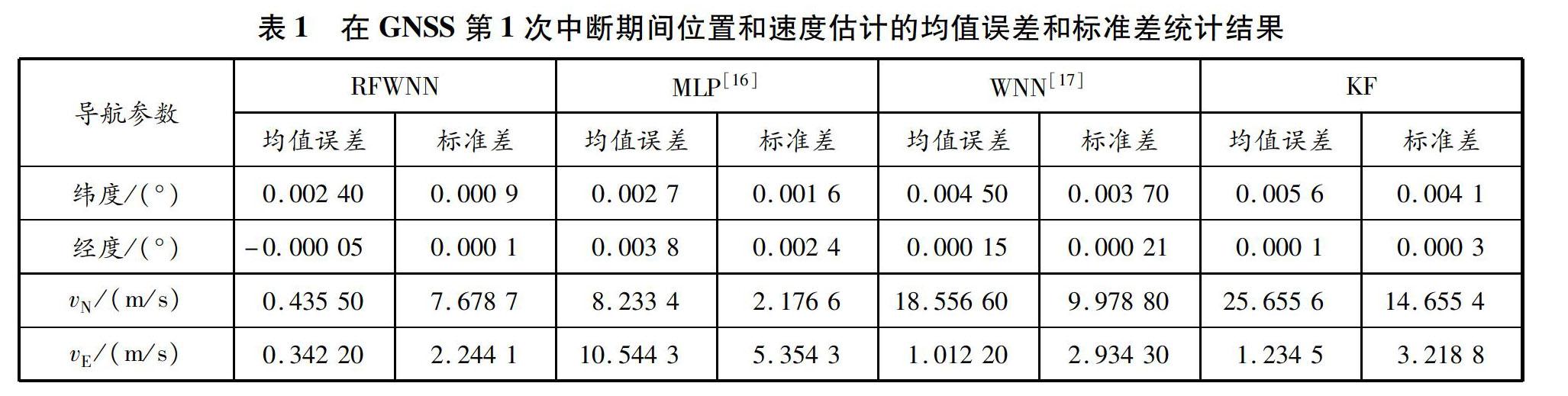
为对所提出的RFWNN辅助INS-GNSS的性能进行评估,进行实船试验,结果表明利用RFWNN能够有效地对GNSS中断时的速度和位置信息进行高精度修正。
关键词: 惯性导航系统(INS); 全球卫星导航系统(GNSS); 递归模糊小波神经网络(RFWNN)
中图分类号: U666.11
文献标志码: A
收稿日期: 2020-08-31
修回日期: 2020-12-30
基金项目:
国家自然科学基金(51939001,61976033);大连市重点学科重大课题科技创新基金(2018J11CY022)
作者简介:
于仁海(1982—),男,辽宁丹东人,讲师,博士研究生,研究方向为船舶导航,(E-mail)yangaijun@163.com;
曹春燕(1998—),女,江苏南通人,硕士研究生,研究方向为船舶导航,(E-mail)ccy2035@163.com;
张闯(1980—),男,辽宁昌图人,副教授,博士,研究方向为船舶组合导航,(E-mail)zhangchuang@dlmu.edu.cn
INS-GNSS integrated navigation algorithm based on
recurrent fuzzy wavelet neural network
YU Renhai, CAO Chunyan, ZHANG Chuang, FANG Meihan
(Navigation College, Dalian Maritime University, Dalian 116026, Liaoning, China)
Abstract:
To improve the precision of the integrated navigation system that combines the inertial navigation system (INS) and the global navigation satellite system (GNSS) during GNSS interruption, a heuristic neural network structure based on the recurrent fuzzy wavelet neural network (RFWNN) is proposed to compensate the speed and position errors of INS.
The RFWNN is trained into a high-accuracy prediction model by the INS-GNSS data when GNSS works normally, and the speed and position errors of INS are compensated by the trained RFWNN during GNSS interruption.
To evaluate the performance of the proposed RFWNN in INS-GNSS integrated navigation, the real ship tests were executed, and the results show that RFWNN can effectively correct the speed and position information during GNSS interruption.
Key words:
inertial navigation system (INS); global navigation satellite system (GNSS); recurrent fuzzy wavelet neural network (RFWNN)
0 引 言
全球衛星导航系统(global navigation satellite system,GNSS)和微机电系统(micro-electro-mechanical system,MEMS)辅助的惯性导航系统(inertial navigation system,INS)是两种常用的位置和速度信息源。GNSS可以提供三维位置和速度的精确信息,但其性能取决于外部环境和卫星的可见性,在某些环境条件下存在更新率低和信号中断的问题[1]。相反,INS是一种自主系统,通过对陀螺仪和加速度计测得的真实角速率和比力进行连续积分,可以获得位置、速度和方位角信息,但是INS的陀螺仪漂移误差和加速度计偏差会随时间的推移而变大[2]。……