译者专业领域知识的多模态习得研究
2021-08-06宁海霖
宁海霖
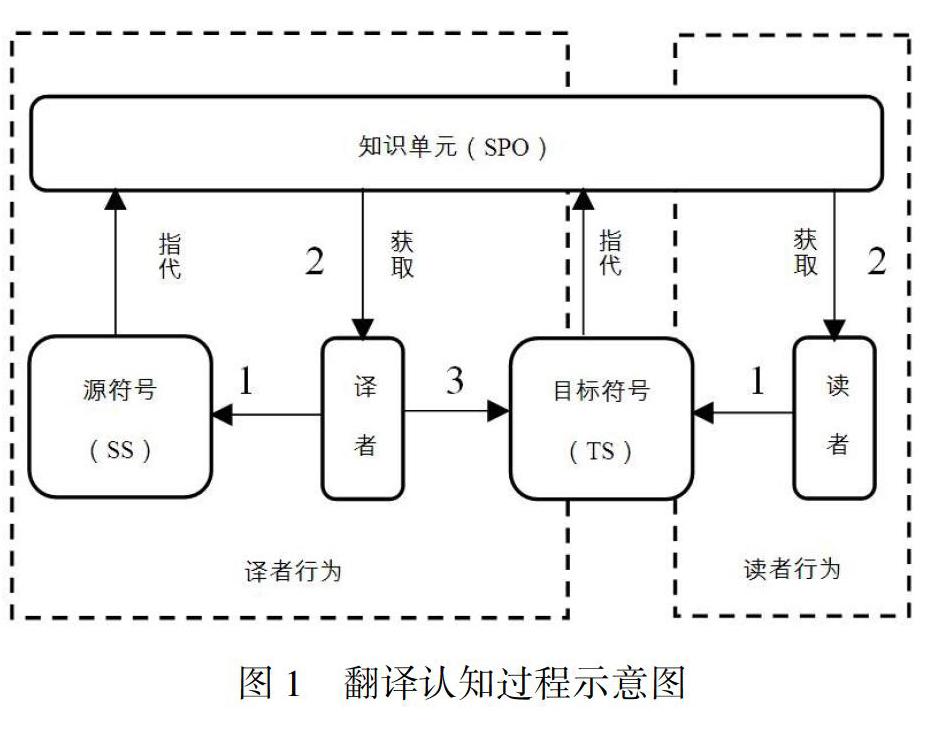
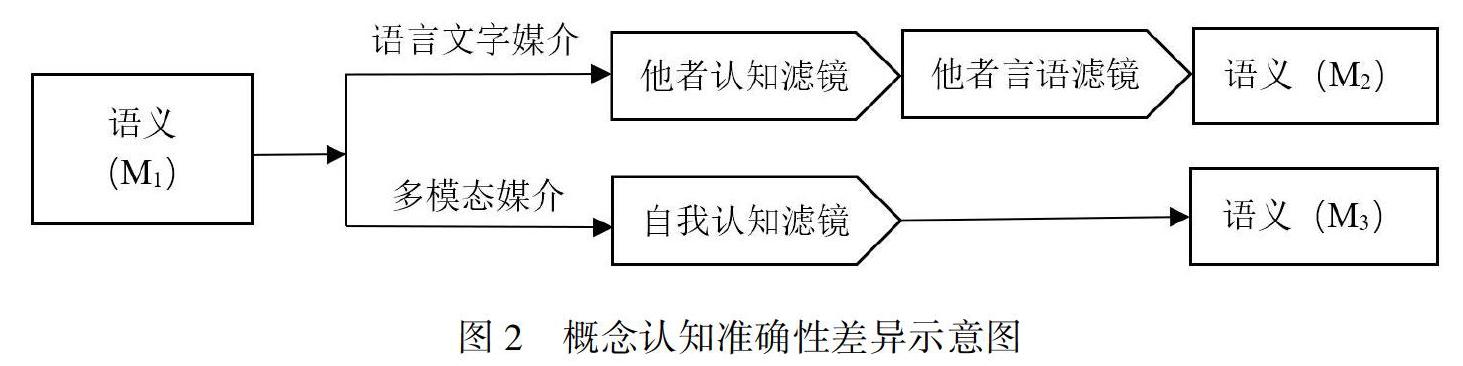
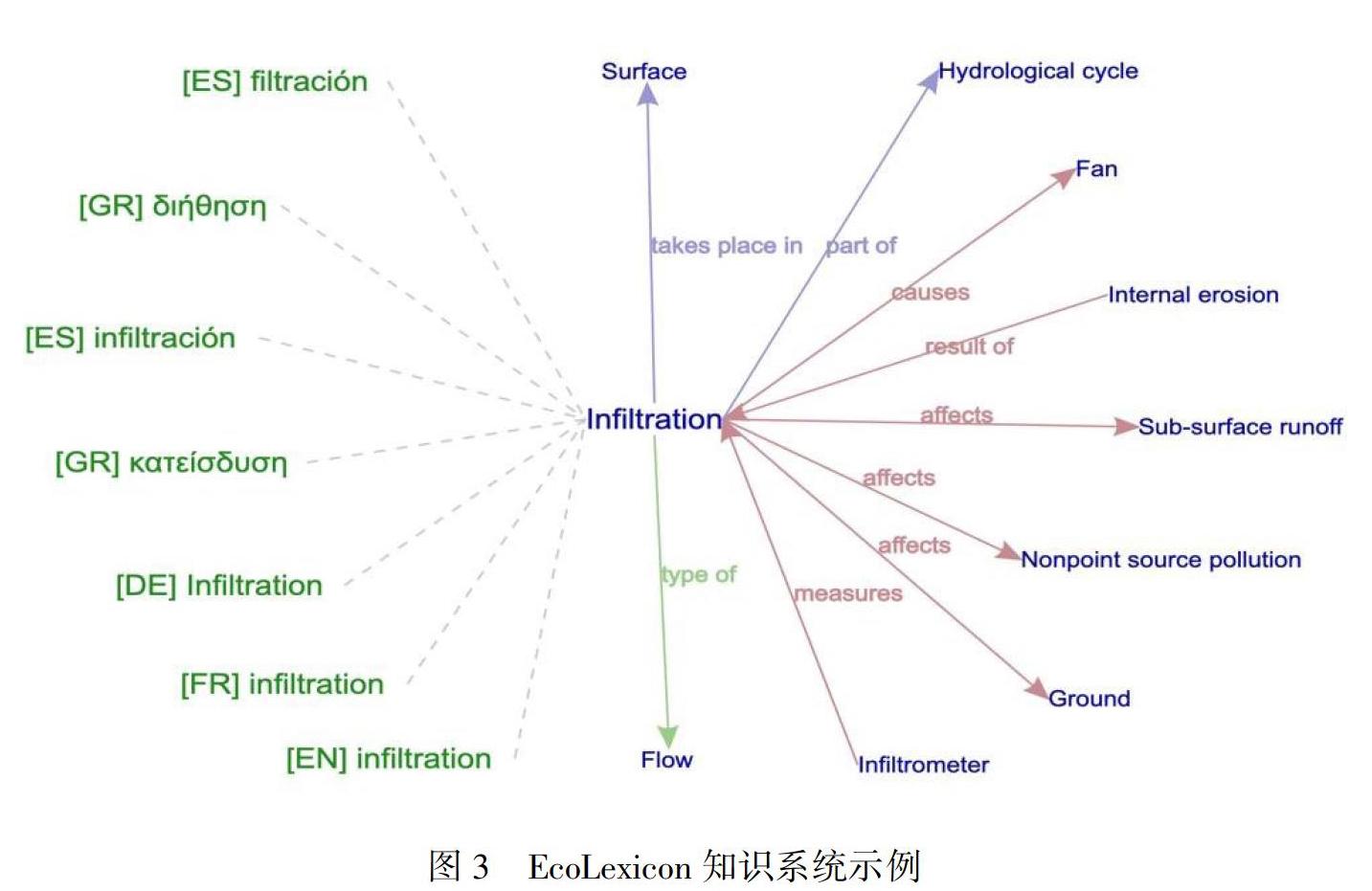
摘 要:认知术语学认为,概念是思维对客体进行范畴化而形成的知识节点,对专业领域知识的认知即为对概念与概念关系的系统化认知。文章以认知术语学的核心方法论原则为切入点,将翻译过程描述为译者在思维、现实和符号三者之间进行循环往复式认知处理的过程,明确专业领域知识在译者知识体系中的重要地位,对多模态媒介在提高译者概念认知准确性和概念关系认知全面性中的优势进行论证,指出对本体知识库、三维知识图谱、专业类技术传播平台等相关知识资源的引介与开发是译者高效获取专业领域知识的保证。
关键词:翻译认知过程;认知术语学;专业领域知识;多模态;概念;概念关系
中图分类号:H083;H059 文献标识码:A DOI:10.12339/j.issn.1673-8578.2021.03.006
Abstract: Cognitive terminologists believe that concepts are the nodes of domain knowledge originated from the categorization of objects in thoughts, and the cognition of professional domain knowledge is the systematic connection between concepts and conceptual relations. Based on some kernel methodological principles of cognitive terminology, this article justifies the translational process as translators cognitive activities constantly cycling among thoughts, realities and signs, so as to verify the essentiality of domain knowledge in translators knowledge system and the advantages of multimodal media in upgrading the accuracy of conceptual cognition and the integrity of relational cognition. Therefore, relevant knowledgeresource patterns, like ontological knowledge bases, threedimensional knowledge graphs and domainspecific technical communication platforms are supposed to be introduced or developed to meet translators demand for efficient knowledge acquisition.
Keywords: cognitive process of translation; cognitive terminology; domain knowledge; multimodality; concept; conceptual relation
收稿日期:2021-03-01 修回日期:2021-04-30
基金項目:教育部人文社会科学研究青年基金项目“翻译技术的知识化演进模式研究”(18YJC740067)阶段性成果
引言
认知术语学派代表学者帕米拉·法贝尔(Pamela Faber)认为:意义重构是翻译实践活动的必要环节,它要求译者在充分理解原文整体含义的同时,对原文所包含的概念关系、概念之间的相互作用以及涉及这些概念的全部行为过程进行提炼分析。因此,职业译者须熟练掌握知识的检索、管理、表示与存储[1]。欧洲翻译硕士联盟(European Masters in Translation,EMT)发布的2017版翻译能力框架将译者能力分为语言与文化能力、翻译能力、技术能力、个人与人际能力和服务提供能力五个模块[2],同时明确地将专业领域知识习得能力纳入译者的翻译能力范畴[3]。……
