语义学视野下布依族服饰元素艺术表征及意涵研究
2021-08-05黄柏利花芬吴志明
黄柏利 花芬 吴志明
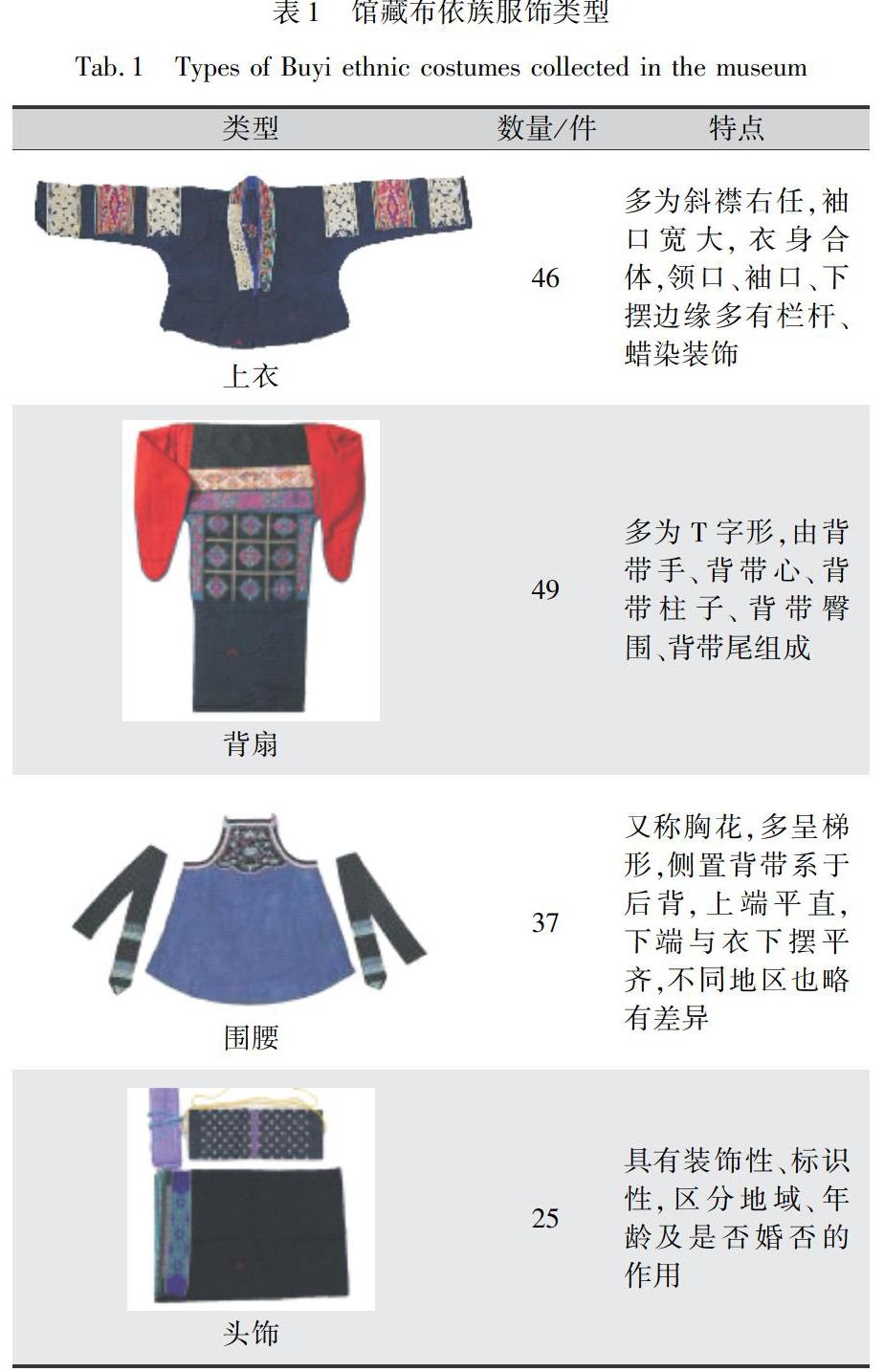
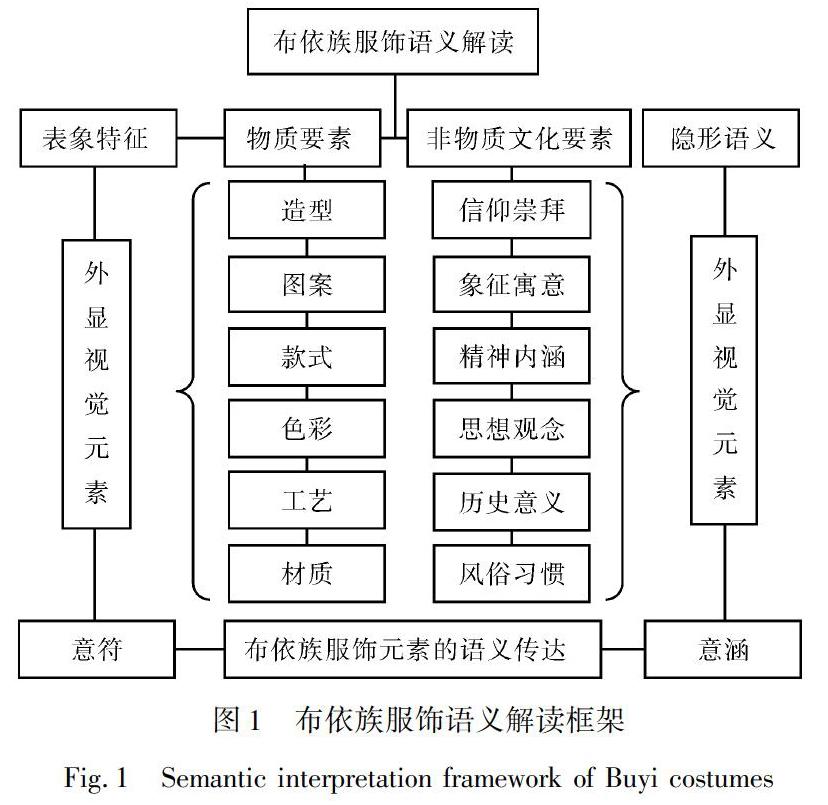
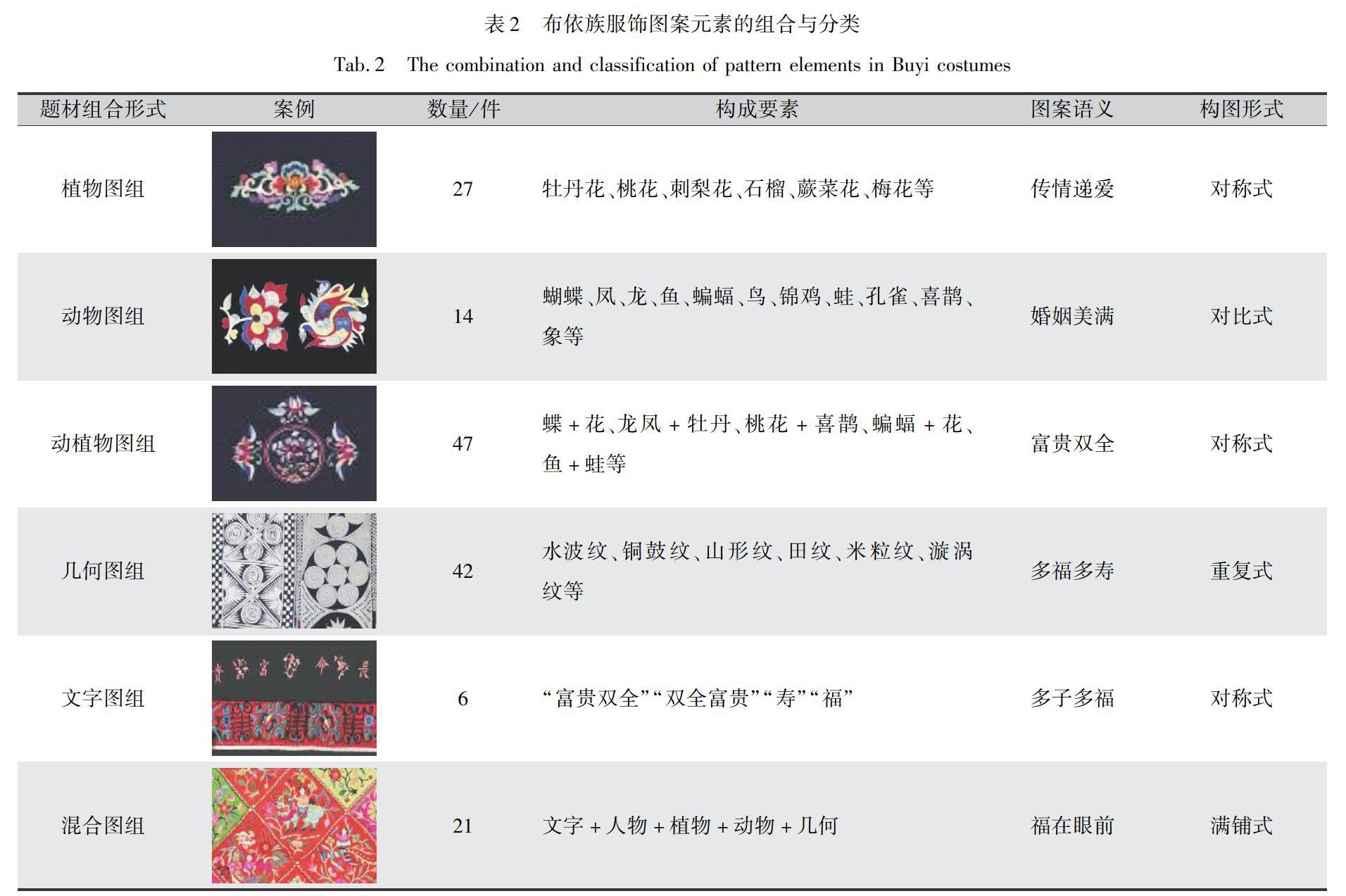
摘要: 文章选取157件贵州省民族博物馆馆藏布依族服饰为研究对象,通过田野调研和查阅文献资料,以语义学视角为切入点,结合艺术学和民俗学对布依族服饰元素的表象特征进行梳理,分析其服饰的隐性意涵。研究表明:布依族服饰元素具有多样演化的图案特征、动静并存的色彩特征、刺染工巧的工艺特征,反映了个性独特的民族艺术审美倾向,寄托了布依族人民对“生殖繁衍、趋吉避凶”的美好意愿,体现了对“崇敬自然的信仰力量”的渴望;反映了布依族人对美好生活的向往,以及深厚的民族内涵。研究成果有助于为民族文化元素研究提供借鉴和途径。
关键词: 布依族服饰元素;语义学;表象特征;隐性意涵;民族艺术
中图分类号: TS941.12;J523.5
文献标志码: B
Abstract: By selecting 157 Buyi costumes collected in Guizhou Ethnic Museum as the research object, through field survey and literature review, by taking the perspective of semantics as the breakthrough point, combined with art theory and folklore studies, this paper sorted out the surface characteristics of Buyi costume elements, and analyzed the implicit meanings of their costumes. The research indicates that the costume elements of the Buyi ethnic group have diversified evolutionary pattern characteristics, dynamic and static color characteristics, and the technical characteristics of prickling and dyeing, which reflect the unique aesthetic tendency of aesthetic art, repose the good wishes of the Buyi people for "procreation and propagation, pursuing good fortune and avoiding disaster" and reflect their reverence for "the power of nature". It reflects Buyi peoples yearning for a better life and profound ethnic connotations. The research findings can help provide reference and ways to study ethnic cultural elements.
Key words: Buyi ethnic costume elements; semantics; surface characteristics; implicit meaning; ethnic art
布依族主要分布于中国西南地区的贵、滇、渝三省,据最新人口普查,布依族现有287万余人,其中贵州占有97%[1]。受自然环境限制,远离中原汉族正统核心文化辐射带,布依族服饰保留了独具特色的艺术审美特征及蕴含着丰富的民族文化内涵,并于2014年列入第四批国家级非物质文化遗产名录。当今现代化进程加速,外来文化如同潮水般席卷而来,少数民族文化面临传承危机,服饰作为布依族文化的典型代表,需要充分利用好自身优势,发扬民族文化特色,探索服饰特征及内涵,使其提供源源不竭的文化补给力和文化创新力[2]。布依族服饰元素是指世居布依民族在长期的发展与历史沉淀中演化的物象通过创造、变化逐渐形成承载文化意象的元素,凝聚着布依族人民的智慧,具有极强的地域特征和价值内涵。……