面向新工科的柔性制造教学实践
2021-06-07陈红艳王汉成朱益民王飚林杭
陈红艳 王汉成 朱益民 王飚 林杭
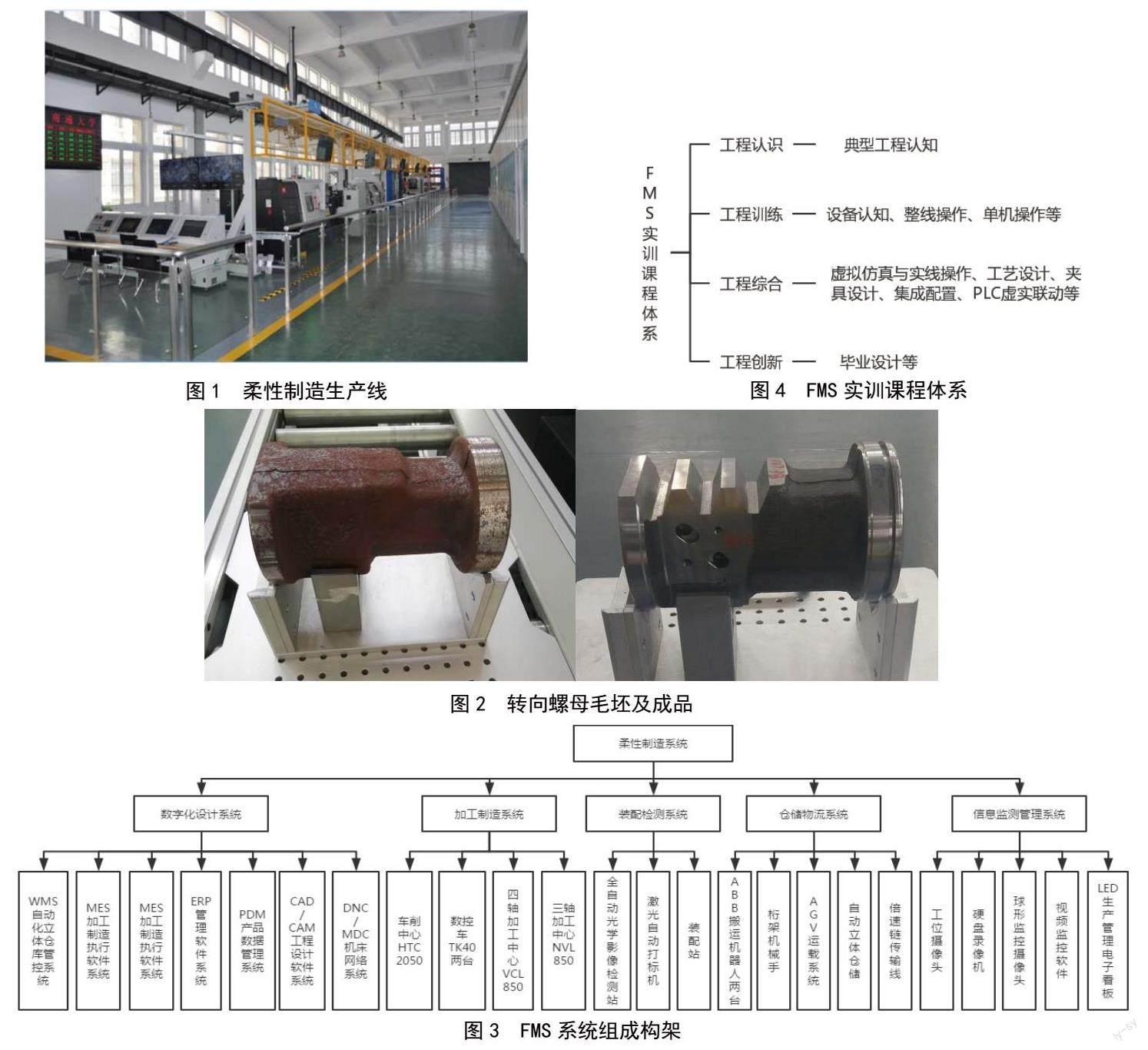
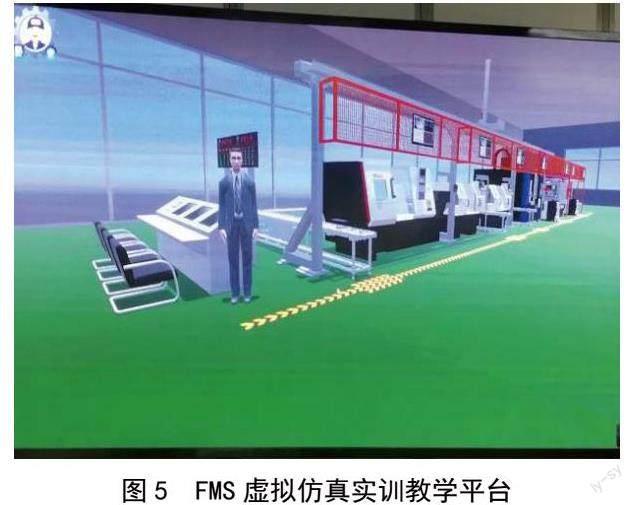
摘 要 “中国制造2025”战略提出以来,新工科建设对智能制造应用型人才培养提出更高的要求。分析工程实践教学现状,探索以实践为基础、项目为导引、多学科交叉融合的柔性制造工程实践教学模式,构建柔性制造实践教学平台及多层次实践教学体系,为智能制造实践创新人才培养和进一步的实践教学改革提供有力支撑。
关键词 柔性制造;新工科;实践教学平台;工程训练
中图分类号:G642.44 文献标识码:B
文章编号:1671-489X(2021)14-0128-03
Abstract With the proposal of “Made in China 2025” strategy, new engineering construction has put forward higher requirements for the cultivation of intelligent manufacturing applied talents training. By analyzing the present situation of engineering practice teaching, the practical teaching model of flexible manufacturing is explored, which based on practice, oriented to project and combined with production, learning and research. The practical training platform and a multi-level practical teaching system for flexible manufacturing are con-structed, which provide strong support for the cultivation of practi-cal innovative talents in intelligent manufacturing and further practi-cal teaching reform.
Key words flexible manufacturing; new engineering; practical trai-ning platform; engineering training
0 引言
2017年以来,教育部积极推进新工科建设,它是教育部针对“中国制造2025”,在“卓越工程师教育培养计划”基础上提出的一项持续深化工程教育改革的重大行动计划[1]。在新工科背景下,高校工程实践教育必须进行全面创新改革,以应对新的挑战。作为工科高校中教学规模最大、学生受众人数最多的工程实践教学基地,工程训练中心是培养国家创新人才、培养学生工程意识和实践能力的主要实训实践平台[2-6],其工程实践课程也面临新的挑战。为响应新时代工程技术人才培养需求,着眼于工程实训课程的理念、模式和方法改革,南通大学工程訓练中心建立了柔性制造系统(FMS)实践教学平台。
1 工程实践教学现状
工程训练是我国本科大学生接受工程实践教育的最主要的方式,起源于金工实习[7],并在金工实习的基础上进行全面创新,使学生直接获得现代工业生产方式和生产工艺过程基本知识,接受生产工艺技术组织管理能力的基本训练[8]。……