基于锂电池模组的风冷方式研究
2021-03-04赵帅帅郑士鹏吴建军
赵帅帅 郑士鹏 吴建军
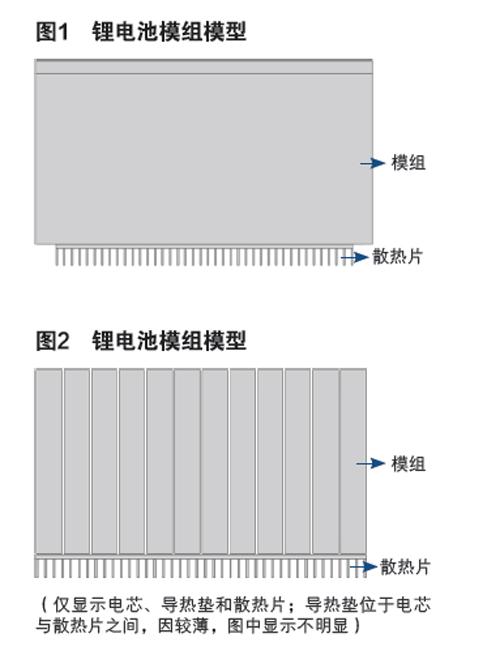

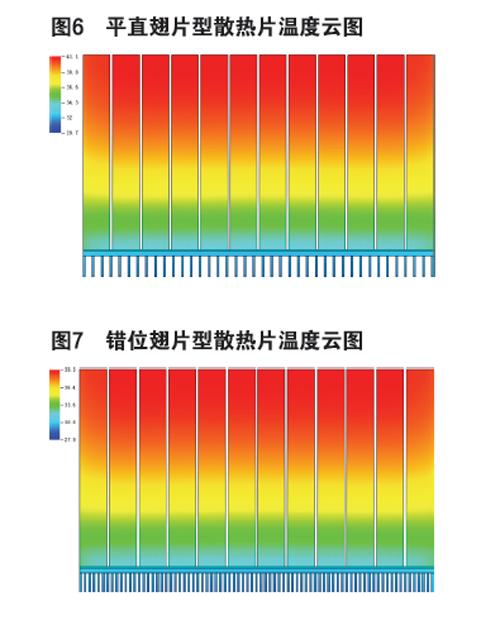
摘 要:风冷技术虽已广泛应用于动力锂电池系统,但目前锂电池系统风冷的研究主要集中在如何利用电芯间隙冷却,电芯排布方式和模组进出风口形式的设计上,然而这些方法在实际应用中具有一定的限制。针对以上问题,本文在模组底部加装导热垫及散热片,同时利用计算流体力学的方法对该技术方案进行数值模拟,并分析对比加装不同形式的散热片,电池模组内电芯温度的差异。结果表明,模组底部加装散热片能够快速的将电芯的热量传递给冷却气流,并有效降低电芯间的温差;交错翅片型散热片的散热性能优于平直翅片型散热片;翅片数量及厚度在一定程度上影响了散热片的散热性能。
关键词:锂电池模组 散热片 风冷 数值模拟
Research on Air Cooling Method based on Lithium Battery Module
Zhao Shuaishuai,Zheng Shipeng,Wu Jianjun
Abstract:Although air-cooling technology has been widely used in power lithium battery systems, the current research on air-cooling lithium battery systems is mainly focused on how to use the cell gap cooling, the cell arrangement method and the design of the module air inlet and outlet. These methods have certain limitations in practical applications. In response to the above problems, this article installs a thermal pad and a heat sink at the bottom of the module, and uses computational fluid dynamics to numerically simulate the technical solution, and analyzes and compares the installation of different types of heat sinks, and the cell temperature in the battery module. The results show that installing a heat sink at the bottom of the module can quickly transfer the heat of the cells to the cooling airflow, and effectively reduce the temperature difference between the cells; the heat dissipation performance of the staggered fin type heat sink is better than that of the flat fin type heat sink ; the number and thickness of the fins affect the heat dissipation performance of the heat sink to a certain extent.
Key words:lithium battery module, heat sink, air cooling, numerical simulation
近年来,随着化石能源的过度开采,能源危机已成为人们面临的一大难题,同时化石能源的过度利用亦导致了较为严重的环境污染。基于此,锂电池动力技术已成为各国争相发展的前沿技术。然而随着动力锂电池系统的快速发展,锂电池的能量密度越来越大,电芯发热量也随之逐步增大,而温度对电池的性能和寿命等影响较大[1],传统的自然散热方式已无法满足电芯的温度要求,风冷及液冷已成为目前锂电池冷却的主要方式,本文主要探讨风冷的研究方案。为使风冷有效的解决锂电池的温度和温差问题,国内外诸多研究者从如何利用电芯间隙冷却,电芯排布方式和模组进出风口形式的设计等方面,对锂电池风冷系统进行了研究。……
