基于滑动熵互相关系数与k-means聚类算法的局部特征尺度分解分量筛选方法
2020-09-10盛沛
盛沛
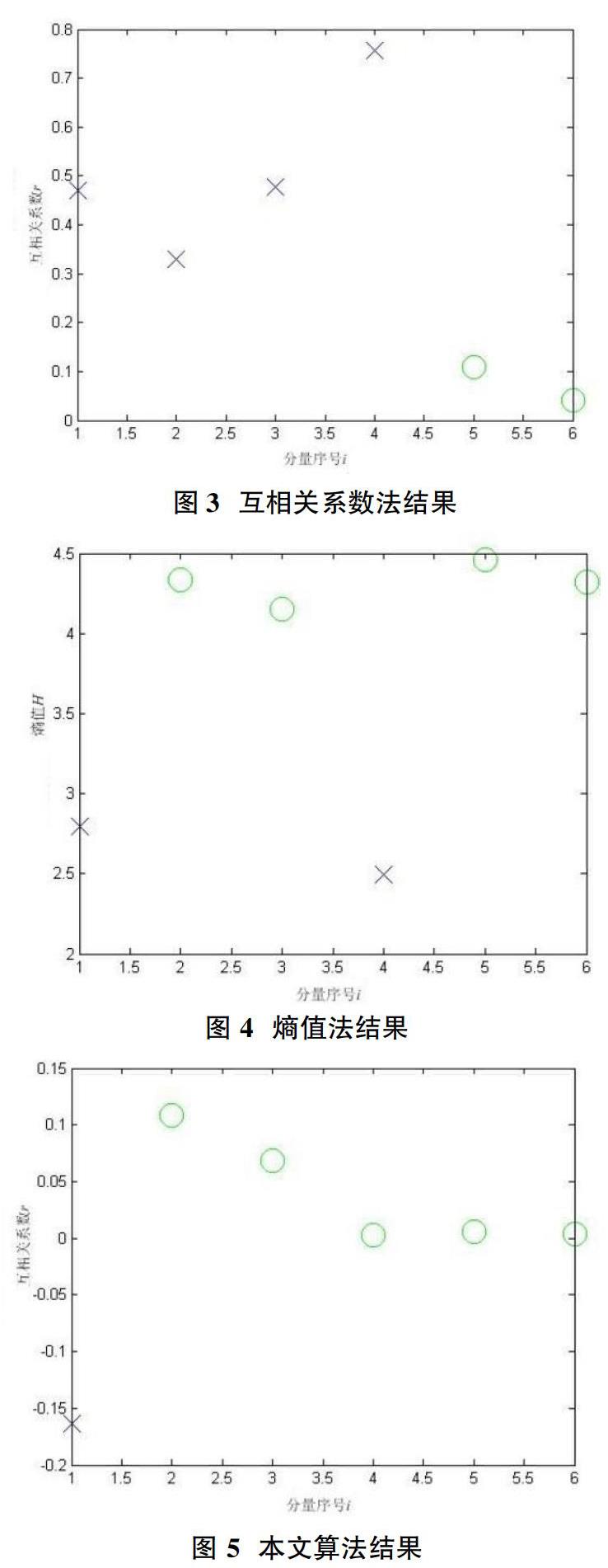
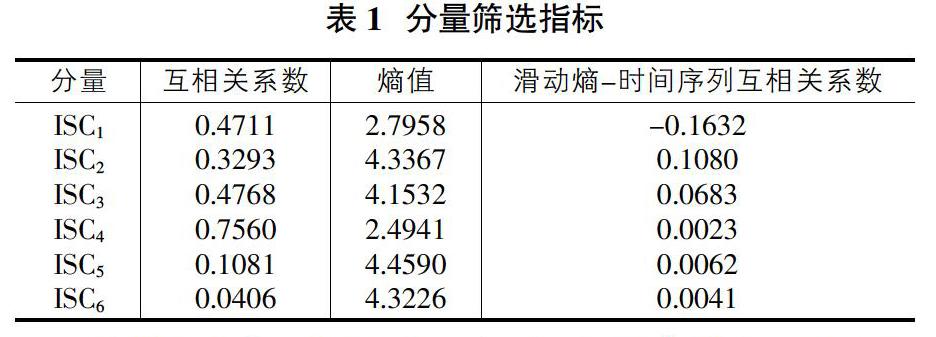
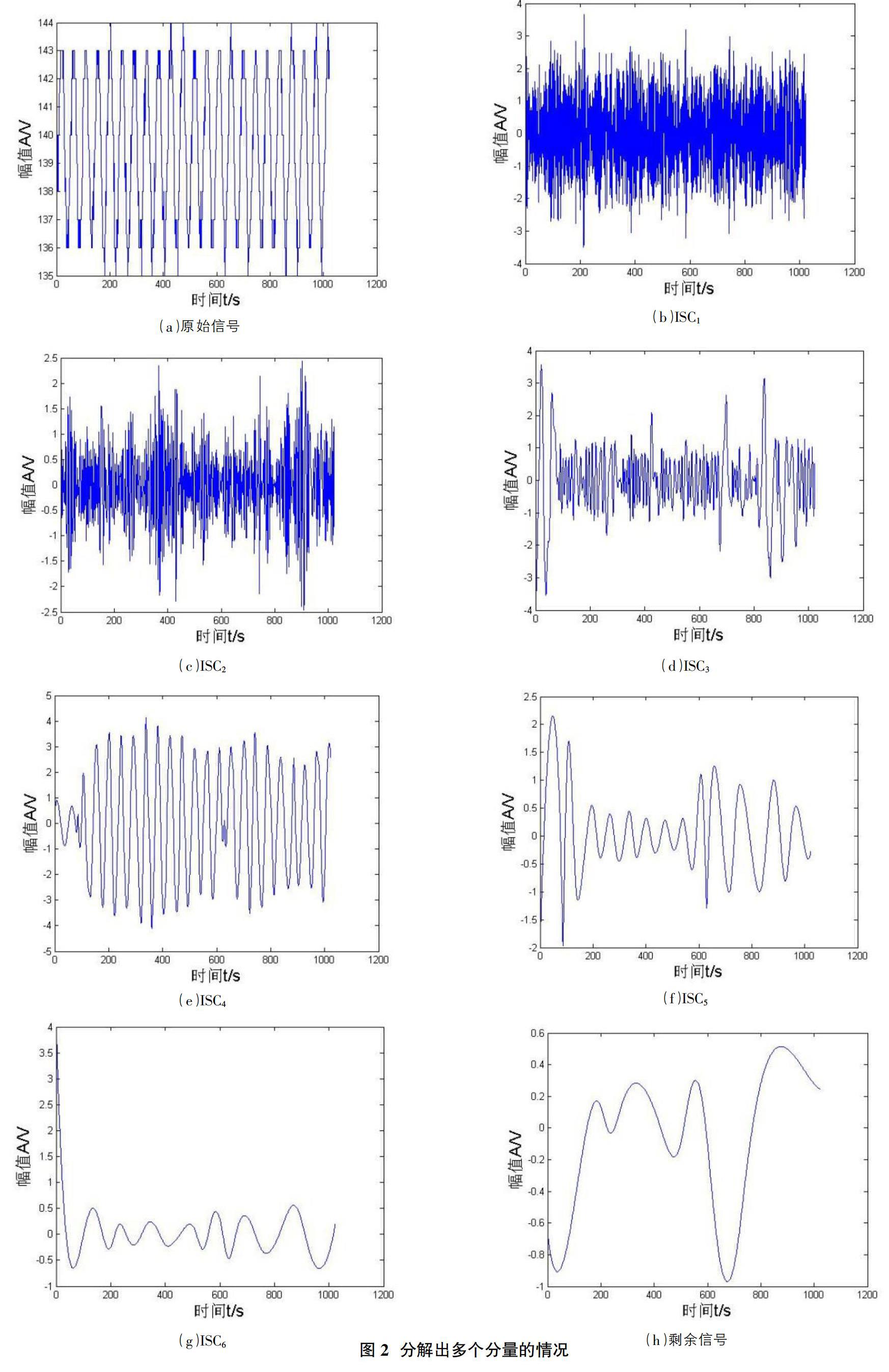
摘要:提出了一种利用滑动熵以及互相关系数算法对局部特征尺度分解所得分量进行筛选分类的方法。首先对原始信号进行局部特征尺度分解,其次对分解所得的任一分量以及原始信号通过移动起始点的方式计算熵值并计算每一个熵值序列与原始信号的互相关系数,最后利用k-means聚类算法对上述互相关系数进行分类,即可实现分量的筛选。仿真结果表明,该方法能够有效对局部特征尺度分解所得分量进行筛选,较同类方法具有较大的类间距离。
Abstract: A method of filtering and classifying components obtained from local feature scale decomposition is proposed by using sliding entropy and correlation number algorithm.First local characteristics of original signal scale decomposition, on the second income of any component and the original signal is calculated by means of mobile starting point each entropy is calculated entropy and sequence number of a mutual relationship with the original signal, the use of k - means clustering algorithm to classify the amount of the relationship between each other, the component can be realized in screening.The simulation results show that this method can effectively screen the components obtained from local characteristic scale decomposition and has a larger inter-class distance than similar methods.
关键词:局部特征尺度分解;分量筛选;熵值法
Key words: LCD;component selection;entropy method
中图分类号:TN911;E917 文献标识码:A 文章编号:1006-4311(2020)25-0237-04
0 引言
诸如经验模式分解(Empirical Mode Decomposition,EMD)[1]、局部均值分解(Local Mean Decomposition,LMD)[2]、局部特征尺度分解(Local Characteristic-scale Decomposition,LCD)[3]-[4]等分解方法的优点是具有自适应性,可以在时间尺度上自动将信号按照不同频带进行分解。但是,也正是由于其自适应性,导致其分解的结果相对“粗糙”。当信号在几个特定频带能量聚集性较好时,这些算法可将故障特征分离在少数几个分量中。但实际上这种情况多见于仿真实验的简单几个信号叠加的情况,如文献[5]等。在大多数情况下,实测的信号故障信息往往在多个内禀尺度分量(Intrinsic scale component,ISC)分量中均有体现,这将对后续处理造成很大不利。在第二种情况下,少数几个ISC分量不能有效檢测出故障特征或检验效果不理想,而取多个ISC分量将会使计算量增大。更进一步讲,第几个ISC分量存在故障信息是未知的,选取过少则信息丢失,选取过多则信息冗余、计算量加大。……